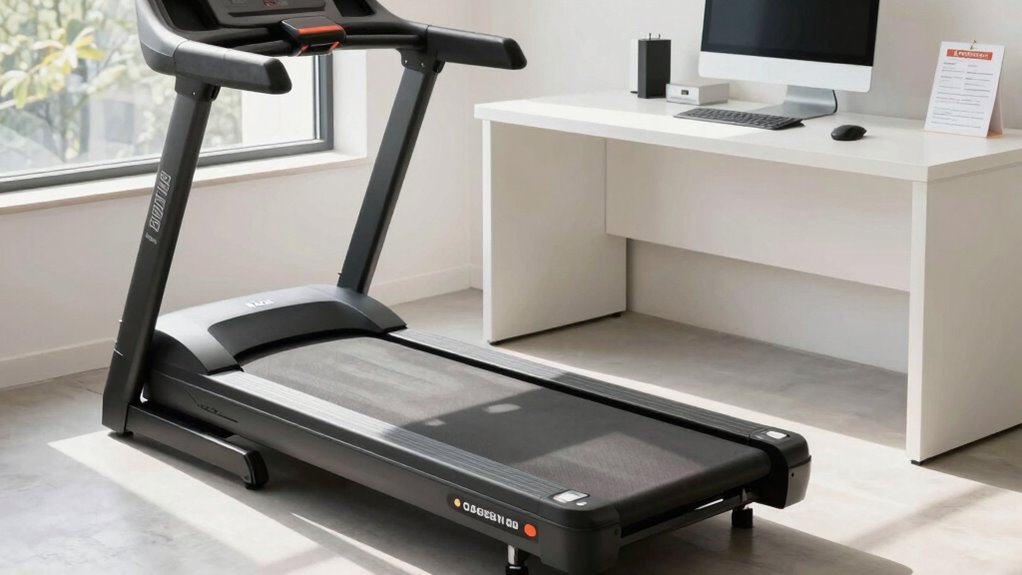

Before you start walking on your standing desk treadmill, verify it’s placed on a flat, stable surface clear of debris, and familiarize yourself with safety features like emergency stops. Wear supportive shoes, maintain proper posture with relaxed shoulders and a straight back, and keep a safe distance from walls or furniture. Start slow, monitor your pace, and perform regular safety checks. If you stay vigilant, you’ll create a safer, more comfortable walking experience—more tips will help you get even better prepared.
Key Takeaways
- Ensure treadmill is placed on a flat, stable surface free of debris before use.
- Familiarize yourself with safety features like emergency stop buttons and safety keys.
- Maintain proper posture, keeping head up, shoulders relaxed, and feet aligned under hips.
- Use supportive, non-slip footwear and keep the walking area clear of obstacles.
- Regularly inspect equipment and environment for hazards, maintaining safe operation and quick response to issues.

NQEUEPN 2pcs Universal Treadmill Magnet Safety Key, Magnetic Safety Switch Round Treadmill Key Replacement for Most Treadmills Running Machines
Package Content: You will get 2 pieces of treadmill magnet safety keys. Sufficient quantity will meet your daily…
As an affiliate, we earn on qualifying purchases.
As an affiliate, we earn on qualifying purchases.
Why Is Safety Important When Using a Standing Desk Treadmill?
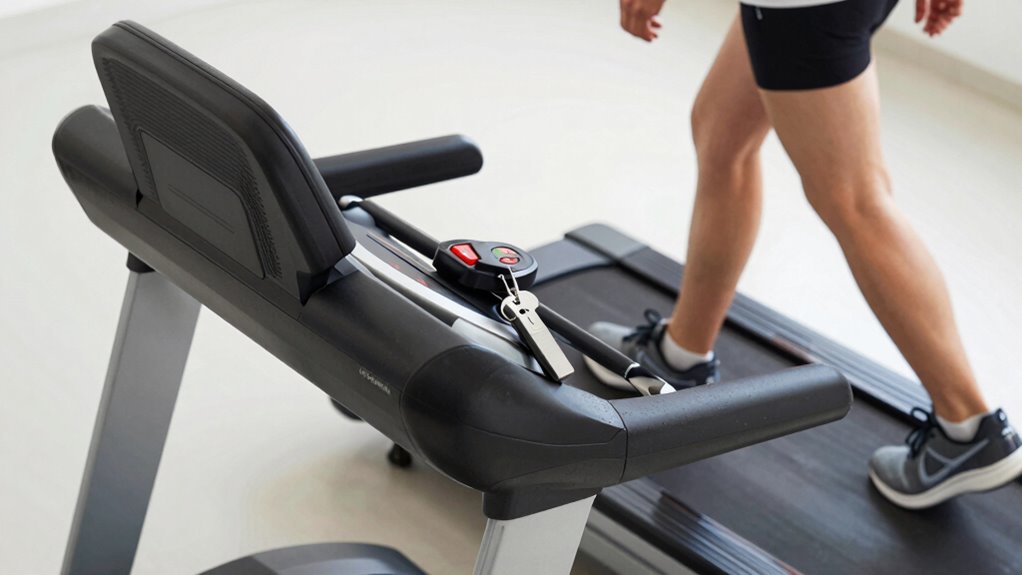
Using a standing desk treadmill offers many benefits, but safety should always come first to prevent accidents and injuries. Proper ergonomic adjustments are essential to avoid strain and discomfort. Make sure your desk and treadmill height are aligned so your wrists, elbows, and shoulders stay relaxed. Footwear considerations are equally important; wear supportive shoes with good grip to prevent slips and ensure stability. Ill-fitting or unsupportive shoes can lead to falls or foot fatigue. Always verify that your treadmill is on a flat, stable surface before use. Proper safety protocols are vital to ensure a secure and injury-free experience when walking while working. Taking these precautions helps you stay balanced and comfortable, reducing the risk of accidents. Additionally, being aware of treadmill safety features can further enhance your protection during use. Ensuring ergonomic setup is correctly adjusted minimizes the risk of musculoskeletal issues while walking and working. Regularly inspecting your equipment and understanding its safety guidelines can help prevent unexpected issues and maintain a safe environment. Prioritizing safety guarantees you can enjoy the health benefits of walking while working without worry. Incorporating regular maintenance and inspections can further prevent equipment malfunctions that might pose safety risks.
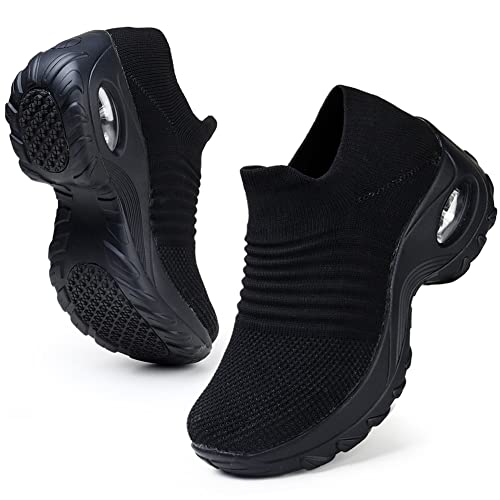
HKR Non Slip Work Shoes for Women Comfortable Slip On Platform Walking Tennis Sneakers All Black Size 5.5 US (1839 EU 35)
[Stretchable Fabric Upper]: Whether it's naturally breathable materials, technical membranes and meshes or Active Air technology, our shoes…
As an affiliate, we earn on qualifying purchases.
As an affiliate, we earn on qualifying purchases.
How to Properly Set Up Your Treadmill for Safe Use
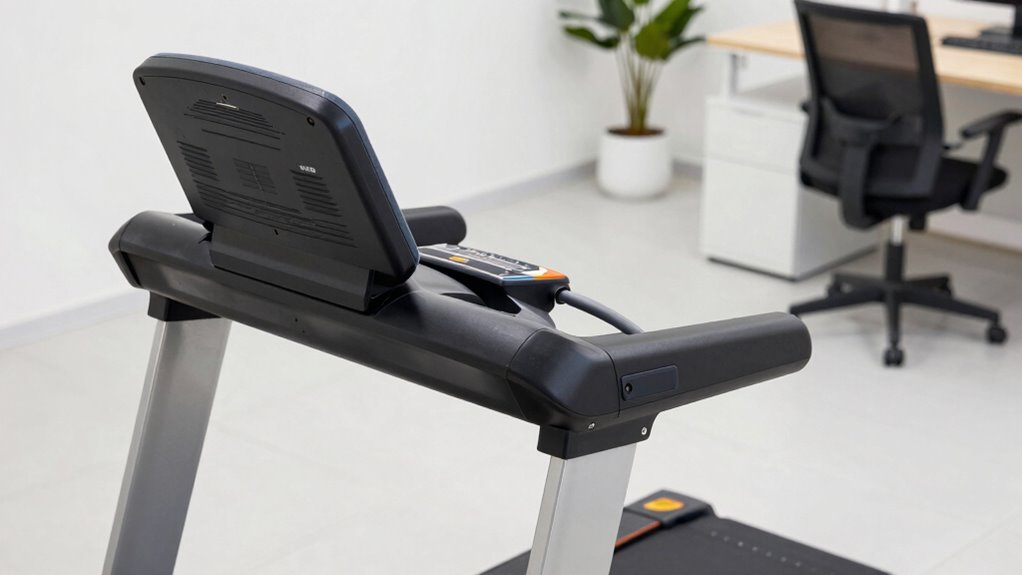
To guarantee safe use of your treadmill, start by placing it on a flat, stable surface free of debris or obstructions. Proper treadmill placement ensures stability and prevents accidents. Next, follow footwear guidelines by wearing well-fitting, supportive shoes with non-slip soles to maintain balance and reduce injury risk. Avoid loose or worn-out footwear that could cause slipping or tripping. Before turning on your treadmill, check that it’s level and positioned away from walls or furniture to allow safe movement and easy access. Ensure the power cord is untangled and securely connected. Confirm there’s enough clearance around the treadmill for safe entry and exit. Additionally, understanding the importance of proper setup can help prevent common hazards and ensure a safer workout environment. Correct treadmill placement and appropriate footwear are crucial for a safe, comfortable walking experience, especially since proper setup can significantly reduce the risk of accidents. Proper equipment placement further enhances safety during use, and paying attention to the environmental factors can also contribute to a safer exercise session.

ZENGZHIC Magnetic Safety Switch Universal Treadmill Magnetic Lock Emergency Stop Treadmill Accessories Suitable for Most Treadmills
1: Security: First, of course, security. The compact and lightweight design allows you to run on the treadmill…
As an affiliate, we earn on qualifying purchases.
As an affiliate, we earn on qualifying purchases.
Getting to Know Your Treadmill’s Controls and Features
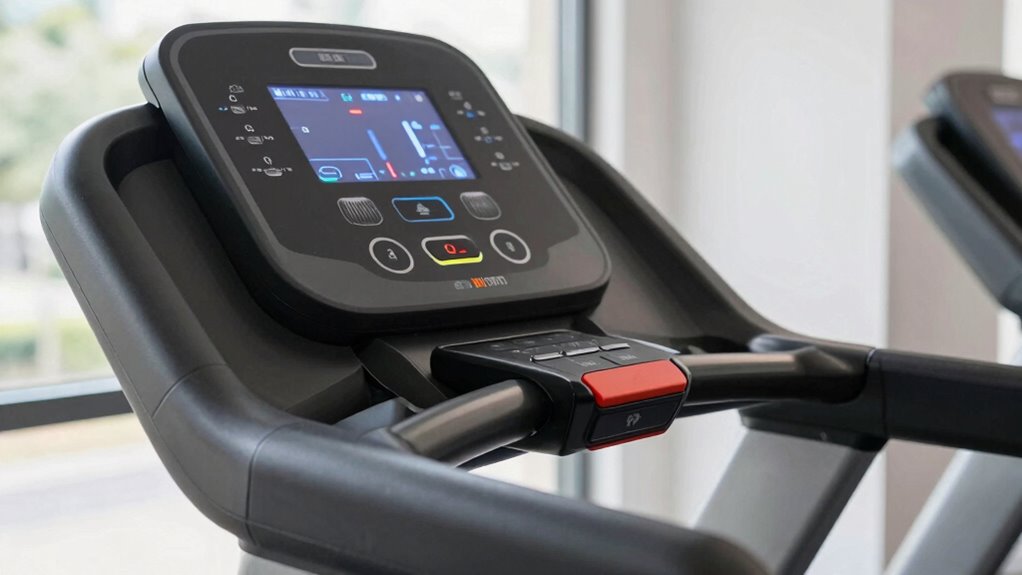
Familiarizing yourself with your treadmill’s control panel and features is key to safe operation. You’ll want to understand how to start, pause, and adjust speed settings easily. Don’t forget to learn about safety locks to guarantee your workouts remain secure and accident-free. Additionally, understanding the projector contrast ratio can help you optimize your viewing environment for better visual clarity during exercise or entertainment sessions. Knowing grooming and hygiene and milestones can also motivate you during longer workouts, blending your interests for a more engaging experience. Being aware of ethical choices related to fitness equipment safety and maintenance can further enhance your responsible workout routine. Moreover, understanding the importance of flywheel and engine upgrades can help in selecting equipment that offers smoother operation and improved performance.
Navigating Control Panel
Ever wonder how to quickly adjust your treadmill settings during a workout? Your control panel is designed for easy navigation. It displays essential information like speed, time, distance, and calories burned. Familiarize yourself with the control panel functions so you can make quick adjustments without distraction. Most panels have dedicated buttons for increasing or decreasing speed and incline, plus start, pause, and stop controls. Some models feature safety lock features, which you should activate before starting your walk to prevent accidental changes. Always check the control panel’s layout and functions before stepping on. Knowing where everything is helps you stay focused and safe during your workout, ensuring you can easily modify settings as needed without confusion or risk. Being aware of inclusive design principles can also enhance your experience by making the controls more accessible for all users. Additionally, understanding the user interface can improve your ability to operate the treadmill efficiently and safely.
Features and Safety Locks
Understanding your treadmill’s features and safety locks is essential for a secure and effective workout. Familiarize yourself with the safety features, such as emergency stop buttons and safety keys, which instantly halt the machine if needed. Many treadmills include safety locks to prevent accidental activation or unauthorized use, giving you peace of mind. Additionally, explore ergonomic accessories like handrails or adjustable controls to enhance comfort and stability. These features help you maintain proper posture and reduce strain during your walk. Before starting, confirm that all safety locks are engaged properly and that controls respond smoothly. Knowing how to operate these features ensures a safer workout environment, minimizes risks, and makes your treadmill experience more comfortable and effective.
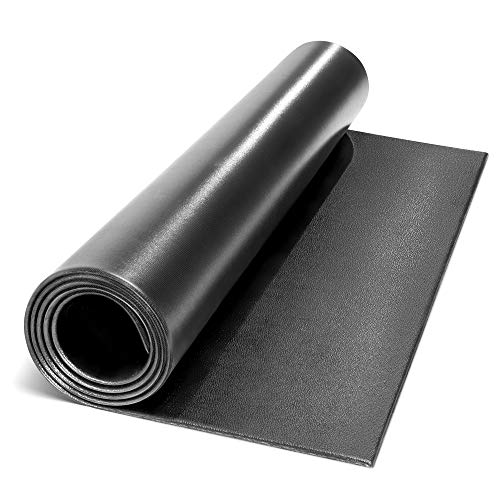
Marcy Fitness Equipment Mat and Floor Protector for Treadmills, Exercise Bikes, and Accessories Mat-366 (78" x 36" x 0.25" Thickness) , Black
HIGH-IMPACT FOAM SURFACE– Constructed from premium 1/4-inch EVA foam, this gym mat boasts a sturdy construction that resist…
As an affiliate, we earn on qualifying purchases.
As an affiliate, we earn on qualifying purchases.
How to Start Slow and Build Confidence on Your Treadmill
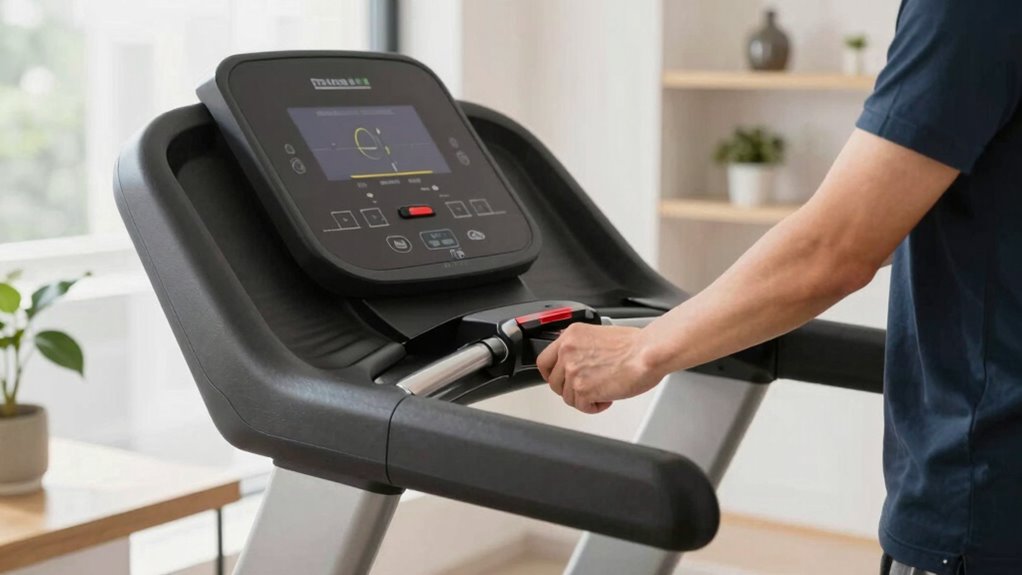
Start by setting your treadmill to a slow, comfortable pace and focus on maintaining good posture. Gradually increase your speed as you feel more confident, never rushing the process. Remember, steady progress helps build both strength and trust in your movements. Incorporating gradual transitions into your routine can further enhance safety and confidence.
Gradually Increase Speed
When you first begin using a treadmill desk, it’s important to gradually increase your speed instead of jumping right into a fast pace. Start with a slow speed that feels comfortable, allowing your body to adjust and prevent any strain. Focus on proper speed adjustment to ensure you’re not pushing too hard too soon. As you gain confidence, slowly raise the pace in small increments, giving yourself time to adapt. This steady approach helps build confidence and reduces the risk of injury. Remember, patience is key—rushing can lead to discomfort or setbacks. Incorporating sound vibrations can also help you maintain balance and stability during your walks. Additionally, paying attention to body positioning and posture further supports safe walking habits. Developing awareness of ergonomic principles can optimize your treadmill use and prevent strain. By gradually increasing your speed, you’ll enhance your endurance and make walking at your desk a safer, more sustainable habit.
Focus on Proper Posture
As you begin using a treadmill desk, maintaining proper posture is essential for comfort and safety. Focus on ergonomic alignment by keeping your head up, shoulders relaxed, and back straight. Your feet should be positioned directly under your hips, ensuring proper foot placement to prevent strain. Avoid leaning forward or backward; instead, stand tall with your weight evenly distributed across both feet. Keep your core engaged to support your spine and reduce fatigue. As you start slow, pay attention to how your body feels and make small adjustments to stay aligned. Building confidence on your treadmill involves developing good habits early, so prioritize posture over speed. With consistent attention to ergonomic alignment and foot placement, you’ll walk comfortably and reduce the risk of injury. proper posture is also crucial for preventing discomfort during extended use. Focusing on ergonomic principles can further enhance your comfort and safety throughout your walking sessions.
Keep Good Posture to Prevent Strains and Injuries
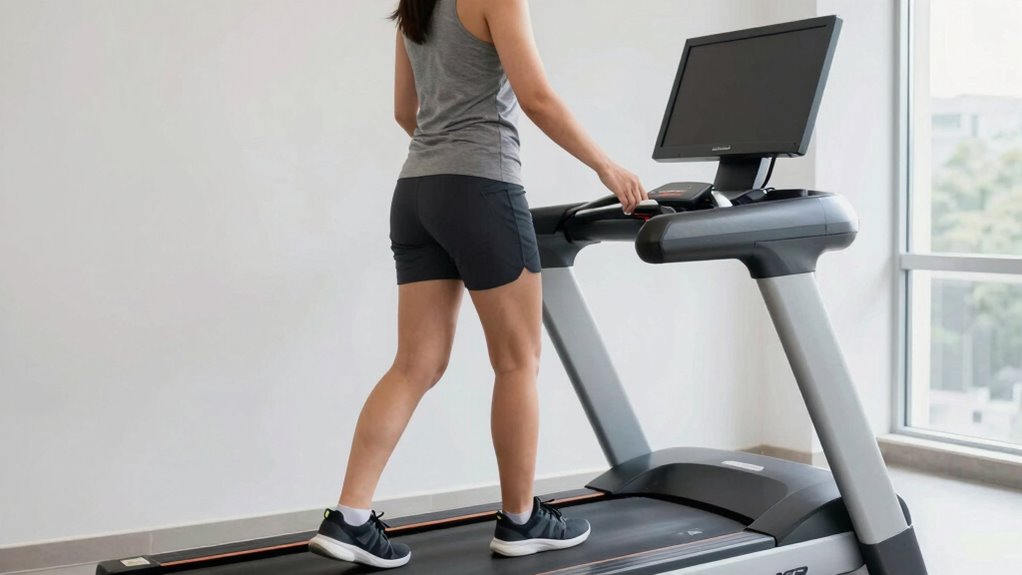
Maintaining proper posture while using a standing desk treadmill is essential to prevent strains and injuries. Focus on ergonomic alignment by keeping your ears, shoulders, and hips in a straight line. Engage your core to support your lower back and avoid slouching or leaning forward. Keep your elbows close to your sides at about a 90-degree angle, and your wrists neutral to reduce muscle strain. Adjust your treadmill height if needed so your wrists are level with the keyboard. Regularly shift your weight and stand with your feet shoulder-width apart to distribute pressure evenly. Staying mindful of your posture helps prevent muscle strain, fatigue, and potential overuse injuries, making your treadmill walking safer and more comfortable. Incorporating AI-powered ergonomic tools can also help monitor and improve your posture over time. To further promote safe movement, consider implementing proper walking techniques to avoid unnecessary strain.
Spot and Avoid Common Hazards Like Slips and Trips
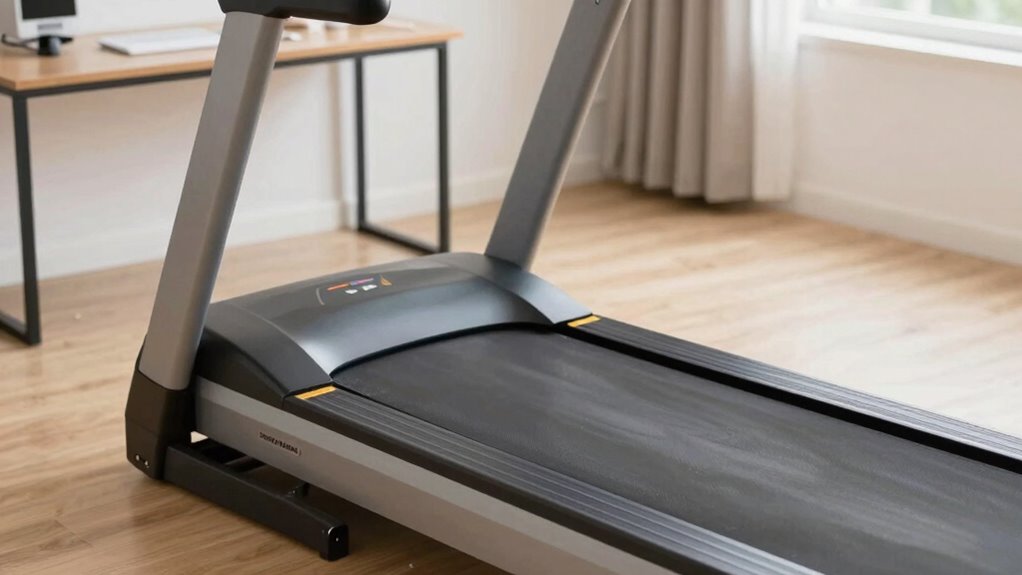
Staying alert to potential hazards while using your standing desk treadmill helps keep you safe. Obstacle awareness is key to preventing slips and trips. Always check your path for floor hazards like loose cords, spills, or uneven surfaces. Clear clutter from your workspace to reduce the risk of stumbling. Pay attention to your surroundings and look ahead to spot unexpected obstacles early. Use this table as a quick reference:
| Common Hazards | How to Avoid Them |
|---|---|
| Floor spills | Wipe up spills immediately |
| Loose cords | Secure cords against the floor |
| Uneven surfaces | Use mats or level the floor |
| Clutter | Keep workspace tidy |
Being vigilant helps you navigate safely and avoid common hazards during treadmill use.
Tips for Monitoring Your Pace and Staying Focused

Keeping an eye on your pace while using a standing desk treadmill is essential to prevent overexertion and maintain focus. Effective pacing strategies help you stay comfortable and productive without feeling overwhelmed. Use a wearable device or the treadmill’s display to monitor your speed regularly. Incorporate short breaks to reset and prevent distraction, ensuring your attention stays on your work.
Monitor your pace regularly with devices or display to stay comfortable and focused during treadmill work.
Here are some tips to keep your focus sharp:
- Set realistic pace goals to avoid rushing and fatigue
- Minimize distractions by creating a dedicated walking space
- Use alarms or timers to remind you to check your pace and take breaks
These strategies promote distraction prevention and help you walk safely and effectively during work hours.
What Should You Do If You Feel Unsafe or Uncomfortable?
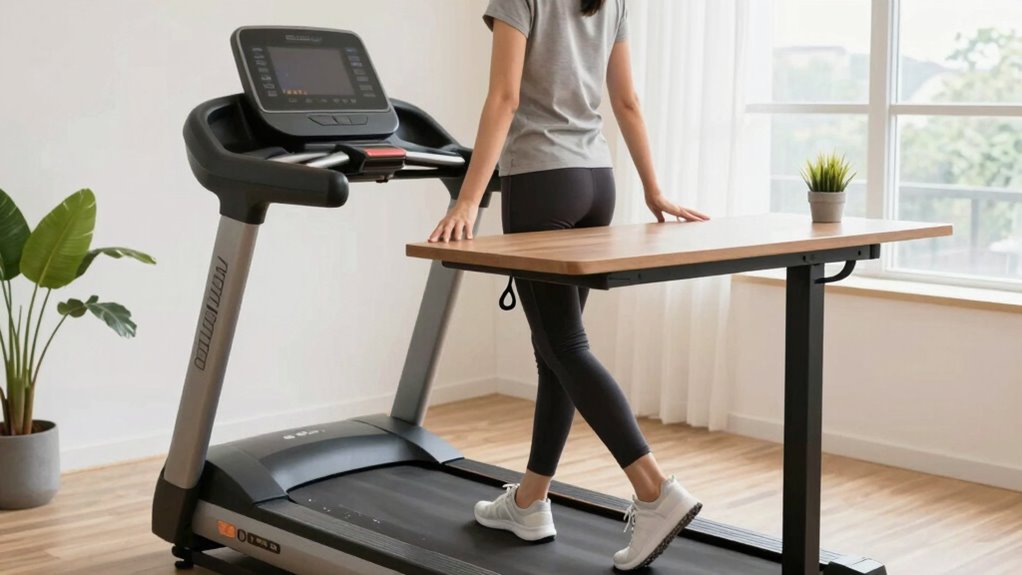
If you start to feel unsafe or uncomfortable while using a standing desk treadmill, it’s important to listen to your body and take immediate action. Your first step should be to stop walking and step off the treadmill safely. Familiarize yourself with emergency procedures beforehand, such as using the safety equipment like an emergency stop cord or button. These tools are designed to quickly halt movement if needed. If you experience pain, dizziness, or instability, don’t ignore it—pause and assess the situation. Make sure your safety equipment is within reach before starting, so you can respond swiftly. Always prioritize your well-being, and if discomfort persists, consult a healthcare professional before resuming use. Safety comes first to prevent injury.
Essential Safety Checklist Before Your First Walk
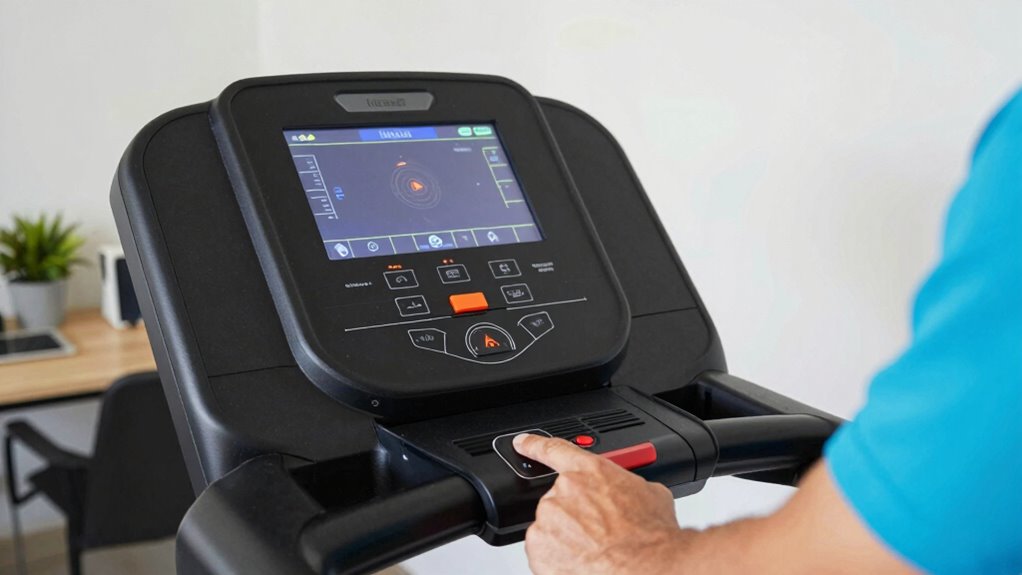
Before you start your first walk on a standing desk treadmill, it’s essential to go through a safety checklist to make sure everything is set up correctly. Start with ergonomic adjustments to ensure your workspace supports proper posture, reducing strain and boosting comfort. Check that the treadmill is well-maintained; inspect for loose bolts, wear, or debris that could cause accidents. Confirm your speed settings are appropriate for your comfort level, and always wear supportive shoes. Remember, proper setup isn’t just about safety—it’s about feeling confident and focused during your walk. Taking these simple steps can prevent injury and make your experience enjoyable. Your safety depends on these critical checks—don’t skip them!
Frequently Asked Questions
How Often Should I Perform Safety Checks on My Treadmill?
You should perform safety checks on your treadmill weekly as part of your maintenance schedule. Regular inspections verify all parts function properly and help prevent accidents. Before each use, confirm emergency procedures are clear, like knowing how to stop the machine quickly. Consistently checking your treadmill reduces risks, prolongs its lifespan, and keeps your workout safe. Don’t forget to review emergency procedures regularly so you’re prepared in case of an emergency.
Can I Use a Treadmill on an Uneven Surface Safely?
Using a treadmill on an uneven surface isn’t safe, as studies show instability increases the risk of falls by 30%. You should prioritize treadmill stability; an uneven surface can cause it to wobble or tip, risking injury. Always place your treadmill on a flat, stable surface to guarantee safe walking. If the floor isn’t even, consider using a leveling mat or adjusting the treadmill legs for better stability.
What Safety Gear Is Recommended When Using a Standing Desk Treadmill?
You should wear proper footwear with good grip to prevent slips, and always keep an emergency stop nearby for quick access if needed. Make sure your shoes provide support and stability, and familiarize yourself with how to activate the emergency stop quickly. Using the right gear helps you stay safe, maintain balance, and respond swiftly to any unexpected situation while walking on a standing desk treadmill.
How Do I Prevent My Cables From Becoming a Tripping Hazard?
You can prevent cables from becoming tripping hazards by practicing smart cable management. Use cable clips or sleeves to secure cords along your desk or walls, keeping them out of foot traffic. Avoid loose, dangling wires that can cause trips—think of your cables as a river’s banks, guiding movement safely. Regularly check and adjust your setup to make certain cables stay neat and tangle-free, creating a safer walking environment.
Is It Safe to Use a Treadmill if I Have Pre-Existing Health Conditions?
If you have pre-existing health conditions, it’s essential to get medical clearance before using a treadmill. Conduct a thorough risk assessment with your healthcare provider to identify any potential issues. Listening to your body is key—start slowly, and stop if you experience discomfort or dizziness. Prioritize safety by following personalized advice and adjusting your treadmill use accordingly, ensuring you minimize health risks while staying active.
Conclusion
Before you start walking, remember, safety isn’t just a rule—it’s your superpower against slips, trips, and tumbling disasters! With a little prep, a keen eye, and some mindful moves, you’ll turn your treadmill into a fortress of focus and fitness. Stay alert, stay confident, and don’t let hazards sneak up on you. Now, gear up and conquer your standing desk treadmill adventure—your safety is the hero of this story!