
TL;DR
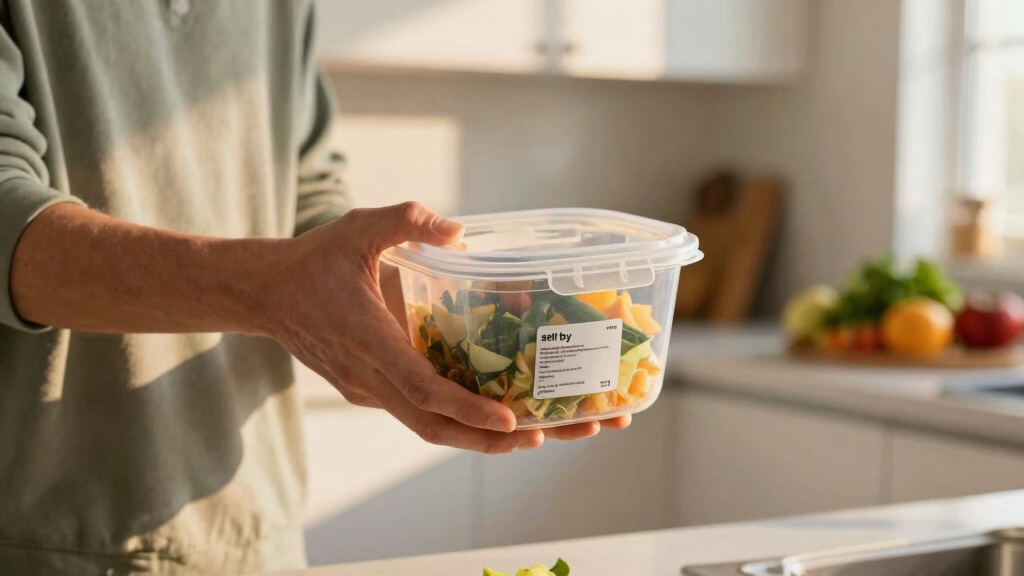
California has officially banned ‘sell by’ labels on food items to help reduce food waste. The new law aims to clarify product freshness and cut unnecessary disposal, impacting food packaging standards statewide.
California has enacted a law banning ‘sell by’ labels on food products, making it the first state to do so. The legislation aims to reduce food waste and improve consumer understanding of product freshness, with immediate effect across the state.
The new law, signed into effect by California lawmakers in July 2026, eliminates ‘sell by’ labels from all packaged foods sold within the state. This move is part of a broader effort to combat food waste, which the USDA estimates accounts for roughly 30-40% of the food supply in the U.S. The legislation was motivated by research indicating that ‘sell by’ dates often cause consumers to discard food prematurely, despite the food remaining safe to eat. State officials hope this change will lead to fewer food items being thrown away and will align with federal efforts to standardize date labeling.
Food industry representatives have expressed mixed reactions; some support the initiative, citing environmental benefits, while others raise concerns about consumer confusion. The law does not specify new labeling requirements but encourages manufacturers to adopt date labels based on safety and quality, such as ‘best by’ or ‘use by’ dates.
Impact of California’s ‘Sell By’ Ban on Food Waste
This legislation could significantly reduce food waste in California, which is the most populous state and a major market. By removing ‘sell by’ labels, the law aims to prevent consumers from discarding food that is still safe and edible, thereby decreasing environmental impact and reducing economic waste. The move may influence other states and federal policies to reconsider date labeling standards, potentially leading to nationwide changes in how food freshness is communicated.

Food Delivery Tamper Evident Sealed for Freshness Labels – 500 Adhesive Stickers for Safe Food delivery (2" Circles)
- Number of stickers: 500 Sealed For Freshness stickers
- Sticker size: 2-inch diameter circles
- Usage: Seal food delivery and takeout
As an affiliate, we earn on qualifying purchases.
As an affiliate, we earn on qualifying purchases.
Background on Food Labeling and Waste Prevention Efforts
Food waste has become a major environmental concern, with estimates indicating that nearly 40% of food in the U.S. is wasted. ‘Sell by’ labels are among several date labels—such as ‘use by’ and ‘best by’—that often cause confusion among consumers about food safety. California’s law builds on existing federal initiatives aimed at standardizing date labels and reducing unnecessary food disposal. Similar policies have been considered or implemented in other regions, but California’s move marks the first state-level ban of ‘sell by’ labels.
Prior to this law, food manufacturers used ‘sell by’ dates primarily for inventory management rather than safety, leading to widespread misinterpretation. The new legislation seeks to clarify these issues and promote more sustainable consumption habits.
“Removing ‘sell by’ labels will help consumers better understand when food is safe to eat and reduce unnecessary waste.”
— California legislative official
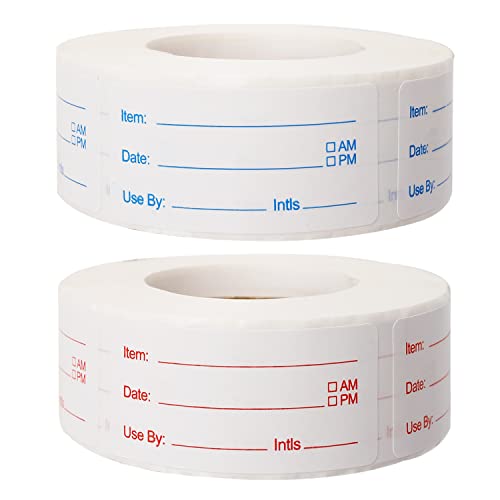
2 Rolls 1000 Pieces Removable Food Labels, 1 x 2 Inch
- High Quantity: 1000 food labels included
- Vibrant Colors: Blue and red labels for easy identification
- Ideal Size: 1 x 2 inch labels for writing
As an affiliate, we earn on qualifying purchases.
As an affiliate, we earn on qualifying purchases.
Unclear Aspects of Implementation and Consumer Response
It is not yet clear how food manufacturers will adapt their labeling practices or how consumers will respond to the change. There is also uncertainty about whether other states will follow California’s lead or if federal regulations will be revised to align with this policy. Additionally, the long-term impact on food waste reduction remains to be studied.
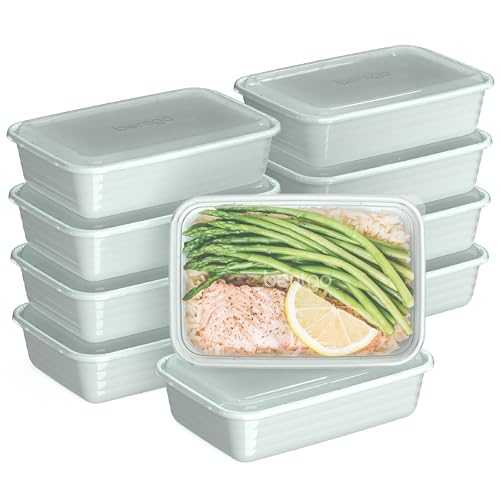
Bentgo Prep Meal Prep Containers with Lids, 20 Piece, PFAS & BPA-Free
- Top Brand for Meal Prep: Bentgo is the leading meal prep brand
- Complete 20-Piece Set: Includes 20 lightweight, portable containers
- Supports Healthy Portioning: 4-cup capacity with embossed measurements
As an affiliate, we earn on qualifying purchases.
As an affiliate, we earn on qualifying purchases.
Next Steps for Policy Adoption and Public Education Campaigns
Food producers are expected to update their packaging to comply with the new law, with some already beginning this process. State agencies may launch public education campaigns to inform consumers about the change and how to interpret food freshness without ‘sell by’ labels. Monitoring and evaluating the law’s impact on food waste levels will be a key focus in the coming months.
2 Rolls 1000 Pieces Removable Food Labels, 1 x 2 Inch
- High Quantity: 1000 food labels included
- Vibrant Colors: Blue and red labels for easy identification
- Ideal Size: 1 x 2 inch labels for writing
As an affiliate, we earn on qualifying purchases.
As an affiliate, we earn on qualifying purchases.
Key Questions
Will all foods in California be affected by the ban?
Yes, the law applies to all packaged foods sold within California, but specific exemptions may exist for certain products. Manufacturers are expected to comply with the new standards across the board.
How will consumers know if food is still safe to eat?
The law encourages manufacturers to use alternative date labels such as ‘best by’ or ‘use by’ dates, which are meant to indicate quality rather than safety. Consumers are advised to rely on sensory cues like smell and appearance, and to follow guidance from food safety authorities.
Could this law lead to confusion among consumers?
Potentially, which is why public education campaigns are expected to accompany the policy change. Clear communication will be essential to ensure consumers understand the new labeling practices.
Will other states adopt similar measures?
It remains uncertain. California’s move could influence federal policy or inspire other states to consider similar legislation, but no official plans have been announced.
What is the expected environmental impact of this law?
Experts anticipate a reduction in food waste, which could decrease greenhouse gas emissions associated with food disposal and improve sustainability efforts.
Source: Hacker News