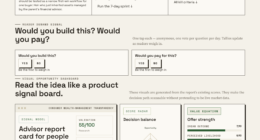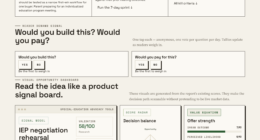

📊 Full opportunity report: A New Era Of Agency Service: Human-Review And AI Workflow Integration on IdeaNavigator AI — validation score, market gap, and execution plan.

Get the latest gadgets delivered free — and shop member deals
- Fast, free delivery on millions of items
- Access to Prime Big Deal Days deals on October 6–7
- Prime Video, Amazon Music and more included
TL;DR
A new workflow tracker for AI-assisted agency delivery is being tested to improve oversight of AI-generated tasks. It allows project leads to see which tasks need human review, aiming to catch errors earlier and enhance quality.
A new workflow management tool designed specifically for AI-assisted agency delivery is being tested by service agencies to improve oversight and quality control. The tool enables project leads to track which client tasks are AI-generated, which are human-owned, and where work is pending review, addressing a critical visibility gap in existing systems.
The tracker is a minimum viable product (MVP) developed to help agencies monitor AI and human contributions within their delivery processes. It allows leads to log each task as either AI-generated or human-owned, update review statuses, and view a consolidated dashboard showing which outputs require human sign-off before delivery. This development responds to the rapid integration of AI steps into client projects, which has created a gap in oversight and increased risk of errors going unnoticed until client complaints surface.
According to an anonymous source from IdeaNavigator AI, the goal is to validate this approach by recruiting eight AI-services agencies to run live client engagements through the tracker for three weeks. The primary measure of success will be whether review gates enable earlier detection of issues compared to prior workflows. The subscription-based software targets service-delivery operations, with pricing based on per-seat monthly fees for agency teams.
Implications for Quality Control in AI-Driven Agency Work
This development matters because it addresses a critical oversight challenge faced by agencies increasingly relying on AI for client delivery. By providing clear visibility into which tasks are AI-generated and which require human review, the tracker aims to reduce errors, improve quality assurance, and prevent client dissatisfaction. It represents a step toward more transparent, accountable AI-assisted workflows, potentially setting a new standard for operational oversight in the industry.
AI workflow management software for agencies
As an affiliate, we earn on qualifying purchases.
As an affiliate, we earn on qualifying purchases.
Growing Adoption of AI in Client Service Delivery
As AI tools become more integrated into agency workflows, firms face new challenges in managing quality and oversight. Currently, most project trackers lack the ability to distinguish between human and AI contributions, leading to potential gaps in review processes. The concept of a dedicated human-review tracker emerges amid this shift, driven by the need for better visibility and error mitigation. Pilot testing of such tools is a response to the increasing reliance on AI, with the goal of embedding review gates into existing workflows to catch issues early.
human review task tracker for AI projects
As an affiliate, we earn on qualifying purchases.
As an affiliate, we earn on qualifying purchases.
Unclear Effectiveness and Adoption at Scale
It remains uncertain how effectively the tracker will perform in diverse agency environments or how quickly firms will adopt it at scale. The pilot phase will reveal whether the tool genuinely improves oversight and reduces errors, but results are still pending. Additionally, the long-term impact on workflow efficiency and client satisfaction has yet to be determined, and broader industry acceptance is not yet confirmed.
As an affiliate, we earn on qualifying purchases.
Next Steps for Validation and Industry Adoption
The pilot agencies will run live client projects using the tracker over the next three weeks, with ongoing assessment of its impact on error detection and review efficiency. Pending successful results, the developers plan to refine the tool and expand testing to more firms. Widespread adoption could follow if the tracker proves effective in improving quality control and operational transparency in AI-assisted delivery workflows.
AI and human collaboration software
As an affiliate, we earn on qualifying purchases.
As an affiliate, we earn on qualifying purchases.
Key Questions
How does the new tracker improve oversight of AI-generated tasks?
The tracker allows project leads to log each task as either AI-generated or human-owned, update review statuses, and view a consolidated dashboard showing which outputs still need human review, increasing visibility and reducing errors.
Will this tool reduce client complaints about quality?
If successful, the tracker aims to catch issues earlier in the workflow, which could lead to fewer client complaints related to errors or quality issues in AI-assisted projects.
Is this approach applicable to all types of service agencies?
The current testing is focused on AI-assisted service agencies, and effectiveness across different sectors or larger organizations remains to be seen.
When will the results of the pilot testing be available?
The pilot will run for three weeks, with results expected shortly afterward to assess the tool’s impact and inform further development.
Could this lead to industry-wide standards for AI workflow oversight?
If proven effective, this approach could influence best practices and standards for managing AI-assisted delivery in client services.
Source: IdeaNavigator AI
Fall Picks
fall essentials
As an affiliate, we earn on qualifying purchases.