
The best AMD gaming CPU overall in this roundup is the Ryzen 7 9800X3D, a focused choice for gaming-first builds. The Ryzen 7 7800X3D is another standout for buyers considering an AM5 gaming system, while the Ryzen 9 9950X3D suits people who also need substantial multi-core performance. The main tradeoffs are gaming-focused features versus extra cores, newer platform support versus an existing AM4 build, and processor performance versus cooling and memory needs. Older Ryzen 5000 models may suit an upgrade that keeps an AM4 motherboard, but they are not direct substitutes for newer-platform picks. Read on for the full breakdown of all 15 options and guidance for matching a CPU to your system.

Get the latest gadgets delivered free with Prime
- Fast, free delivery on millions of items
- Prime Video, Amazon Music and more included
- Member-only deals all year
Complete the kit



Key Takeaways
- The Ryzen 7 9800X3D leads for gaming-first builds; its eight-core focus makes more sense for many gaming PCs than paying for cores aimed at heavier production work.
- X3D models serve a distinct gaming role, while standard Ryzen 9 options such as the 9950X and 9900X prioritize broader multi-core workloads.
- AM5 and AM4 address different upgrade paths: newer Ryzen 7000 and 9000 picks fit AM5 systems, while Ryzen 5000 models can appeal to compatible existing AM4 builds.
- A high core count does not automatically make a CPU the better gaming buy; the 9950X3D and 9900X3D are better matched to buyers balancing games with demanding work.
- The Ryzen 5 5500 is the entry-level outlier, with an included Wraith Stealth cooler, while premium choices require a broader system plan for cooling, motherboard, and memory.
| AMD Ryzen 7 9800X3D 8-Core, 16-Thread Desktop Processor |  | Best Overall for Gaming | Architecture: AMD Zen 5 with 3D V-Cache | Cores / threads: 8 / 16 | Base clock: 4.7 GHz | VIEW LATEST PRICE | See Our Full Breakdown |
| AMD Ryzen 9 9950X 16-Core, 32-Thread Unlocked Desktop Processor |  | Best for Gaming and Heavy Creation | Architecture: AMD Zen 5 | Cores / threads: 16 / 32 | Base clock: 4.3 GHz | VIEW LATEST PRICE | See Our Full Breakdown |
| AMD Ryzen 7 9700X 8-Core, 16-Thread Unlocked Desktop Processor |  | Best Balanced Zen 5 Pick | Architecture: Zen 5 | Cores / threads: 8 / 16 | Base clock: 3.8 GHz | VIEW LATEST PRICE | See Our Full Breakdown |
| AMD Ryzen 7 9850X3D Desktop Processor |  | Best for Buyers Tracking a New X3D Option | Model: Ryzen 7 9850X3D | Product type: Desktop processor | VIEW LATEST PRICE | See Our Full Breakdown | |
| AMD Ryzen 9 9900X3D 12-Core Processor |  | Best for Gaming and Multitasking | Cores / threads: 12 / 24 | Processor speed: 4.4 GHz | Total cache: 140 MB | VIEW LATEST PRICE | See Our Full Breakdown |
| AMD Ryzen 7 5700X 8-Core, 16-Thread Desktop Processor |  | Best AM4 Upgrade for Gaming and Multitasking | Architecture: AMD Zen 3 | Cores / Threads: 8 / 16 | Max boost speed: Up to 4.6 GHz | VIEW LATEST PRICE | See Our Full Breakdown |
| AMD Ryzen 5 5500 6-Core 12-Thread Unlocked Desktop Processor with Wraith Stealth Cooler |  | Best Entry-Level AM4 Gaming Pick | Cores / Threads: 6 / 12 | Max boost clock: Up to 4.2 GHz | Socket: AM4 | VIEW LATEST PRICE | See Our Full Breakdown |
| AMD Ryzen 7 7700X 8-Core, 16-Thread Unlocked Desktop Processor |  | Best for a New AM5 Gaming Build | Architecture: Zen 4 | Cores / Threads: 8 / 16 | Base / max boost clock: 4.5 GHz / up to 5.4 GHz | VIEW LATEST PRICE | See Our Full Breakdown |
| AMD Ryzen 9 5900XT 16-Core 32-Thread Unlocked Desktop Processor |  | Best for AM4 Gaming and Heavy Workloads | Architecture: Zen 3 | Cores / Threads: 16 / 32 | Base / max boost clock: 3.3 GHz / up to 4.8 GHz | VIEW LATEST PRICE | See Our Full Breakdown |
| AMD Ryzen 5 9600X 6-Core, 12-Thread Unlocked Desktop Processor |  | Best Efficient AM5 Gaming Pick | Architecture: AMD Zen 5 | Cores / Threads: 6 / 12 | Base / max boost speed: 3.9 GHz / up to 5.4 GHz | VIEW LATEST PRICE | See Our Full Breakdown |
| AMD Ryzen 7 5800X3D 8-Core, 16-Thread Desktop Processor |  | Best AM4 Gaming Upgrade | Cores / Threads: 8 / 16 | Max boost speed: Up to 4.5 GHz | Cache: 100 MB | VIEW LATEST PRICE | See Our Full Breakdown |
| AMD Ryzen 9 9950X3D 16-Core Desktop Processor |  | Best Premium Gaming and Creation | Cores: 16 | Threads: 1 (as listed in supplied product data) | Architecture: Zen 5 | VIEW LATEST PRICE | See Our Full Breakdown |
| AMD Ryzen™ 9 9900X 12-Core, 24-Thread Unlocked Desktop Processor | | Best for Gaming and Multitasking | Cores / Threads: 12 / 24 | Base clock: 4.4 GHz | Max boost clock: Up to 5.6 GHz | VIEW LATEST PRICE | See Our Full Breakdown |
| AMD Ryzen™ 7 5800XT 8-Core 16-Thread Unlocked Desktop Processor |  | Best AM4 Pick with Included Cooler | Cores / Threads: 8 / 16 | Base clock: 3.8 GHz | Max boost clock: Up to 4.8 GHz | VIEW LATEST PRICE | See Our Full Breakdown |
| AMD Ryzen 7 7800X3D 8-Core Desktop Processor | 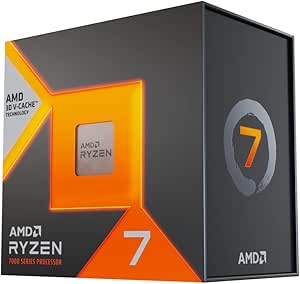 | Best Gaming-Focused AM5 CPU | Cores / Threads: 8 / 16 | Architecture: Zen 4, 5 nm | Base clock: 4.2 GHz | VIEW LATEST PRICE | See Our Full Breakdown |
| AMD gaming CPU | Socket | Cores / threads | Memory support | Architecture |
|---|---|---|---|---|
| AMD Ryzen 7 9800X3D 8-Core | Socket AM5 | 8 / 16 | — | AMD Zen 5 with 3D V-Cache |
| AMD Ryzen 9 9950X 16-Core | Socket AM5 | 16 / 32 | DDR5-5600 | AMD Zen 5 |
| AMD Ryzen 7 9700X 8-Core | AM5 | 8 / 16 | DDR5-5600 | Zen 5 |
| AMD Ryzen 7 9850X3D Desktop Pr | — | — | — | — |
| AMD Ryzen 9 9900X3D 12-Core Pr | Socket AM5 | 12 / 24 | — | — |
| AMD Ryzen 7 5700X 8-Core | AM4 | 8 / 16 | DDR4-3200 | AMD Zen 3 |
| AMD Ryzen 5 5500 6-Core 12-Thr | AM4 | 6 / 12 | DDR4-3200 | — |
| AMD Ryzen 7 7700X 8-Core | AM5 | 8 / 16 | DDR5-5200 | Zen 4 |
| AMD Ryzen 9 5900XT 16-Core 32- | AM4 | 16 / 32 | DDR4-3200 | Zen 3 |
| AMD Ryzen 5 9600X 6-Core | AM5 | 6 / 12 | DDR5-5600 | AMD Zen 5 |
| AMD Ryzen 7 5800X3D 8-Core | AM4 | 8 / 16 | DDR4-3200 | — |
| AMD Ryzen 9 9950X3D 16-Core De | AM5 | — | — | Zen 5 |
| AMD Ryzen™ 9 9900X 12-Core | AM5 | 12 / 24 | DDR5-5600 | — |
| AMD Ryzen™ 7 5800XT 8-Core 16- | AM4 | 8 / 16 | DDR4-3200 | — |
| AMD Ryzen 7 7800X3D 8-Core Des | AM5 | 8 / 16 | — | Zen 4, 5 nm |
More Details on Our Top Picks
AMD Ryzen 7 9800X3D 8-Core, 16-Thread Desktop Processor
The Ryzen 7 9800X3D is my pick for a gaming-first AM5 build: its 3D V-Cache and 8 cores are aimed at game performance, while the Zen 5 design also leaves room for creator work. Its 96 MB of L3 cache is the key distinction from the Ryzen 7 9700X, which has a higher listed maximum boost clock but lacks the stated 3D V-Cache feature. Compared with the 16-core Ryzen 9 9950X, this model gives up substantial parallel processing capacity, but is a more focused choice when gaming is the priority rather than heavily threaded production work. The tradeoffs are practical: no cooler is included, and the AM5 socket requires a compatible motherboard. I would choose it for a gaming-centered system, not as my first pick for a workstation that spends most of its time rendering.
Pros:- Zen 5 architecture paired with 3D V-Cache for a gaming-focused design
- 96 MB of L3 cache
- Eight cores and 16 threads support gaming alongside everyday creator tasks
- Socket AM5 compatibility
Cons:- Cooler is not included, adding a separate cooling requirement
- Fewer cores than the Ryzen 9 9950X for heavily parallel workloads
Best for: PC builders prioritizing gaming performance who want an 8-core AM5 processor and may also do occasional creator work.
Not ideal for: People running heavily threaded workloads such as frequent rendering, or builders who need a processor supplied with a cooler.
- Architecture:AMD Zen 5 with 3D V-Cache
- Cores / threads:8 / 16
- Base clock:4.7 GHz
- Maximum clock:Up to 5.2 GHz
- L3 cache:96 MB
- Socket:Socket AM5
- Power:140 watts
- Cooler included:No
Our verdict“Choose the Ryzen 7 9800X3D for a gaming-first AM5 build where 3D V-Cache matters more than maximum core count.”
AMD Ryzen 9 9950X 16-Core, 32-Thread Unlocked Desktop Processor
The Ryzen 9 9950X is the strongest fit here for someone who games and also runs demanding, highly threaded work. Its 16 cores and 32 threads give it twice the core count of the Ryzen 7 9800X3D, making it better suited to parallel tasks such as content production alongside gaming. The 5.7 GHz maximum boost and unlocked design add flexibility, while DDR5-5600 and PCIe 5.0 support are available on compatible AM5 motherboards. That versatility comes with a gaming-specific tradeoff: unlike the 9800X3D, the supplied details do not list 3D V-Cache, so buyers focused mainly on gaming may prefer that more targeted option. This chip also has a 170-watt rating, no included cooler, and a liquid cooler recommendation. I would skip it for a simple gaming-only build that does not need its extra threads.
Pros:- 16 cores and 32 threads suit heavily threaded creative workloads
- Up to 5.7 GHz boost clock
- Unlocked for overclocking
- DDR5-5600 and PCIe 5.0 support on compatible motherboards
Cons:- No cooler is included, and a liquid cooler is recommended
- 170-watt rating calls for a suitable cooling and power setup
- Less specifically gaming-focused than the Ryzen 7 9800X3D, which lists 3D V-Cache
Best for: AM5 builders who game while also editing, rendering, streaming, or running other workloads that can use many CPU threads.
Not ideal for: Gaming-only buyers who want a 3D V-Cache model, or builders who want a lower-power setup without a separate liquid cooler.
- Architecture:AMD Zen 5
- Cores / threads:16 / 32
- Base clock:4.3 GHz
- Maximum boost:5.7 GHz
- Cache:80 MB
- Memory support:DDR5-5600
- Socket:Socket AM5
- Power:170 watts
- Cooler:Not included; liquid cooler recommended
Our verdict“Pick the Ryzen 9 9950X when gaming shares the system with substantial threaded creative work and you can accommodate its cooling needs.”
AMD Ryzen 7 9700X 8-Core, 16-Thread Unlocked Desktop Processor
The Ryzen 7 9700X is a balanced choice for a gaming PC that also needs to handle general productivity, without paying for a 16-core design. Its eight cores, 16 threads, and 5.5 GHz maximum boost make it a versatile AM5 option, and its listed 105-watt TDP is lower than the Ryzen 9 9950X’s 170 watts. That makes the 9700X the more restrained fit for a mixed-use system, though it still requires a separately sourced cooler. For gaming specifically, the Ryzen 7 9800X3D is the more targeted alternative because its product details include 3D V-Cache; the 9700X instead offers an unlocked multiplier and a higher listed boost clock. Choose this model if you value broad use and tuning flexibility over that cache feature, and skip it if gaming is your sole priority.
Pros:- Eight cores and 16 threads cover gaming and mixed workloads
- Maximum boost clock of 5.5 GHz
- Unlocked multiplier supports overclocking
- 105-watt TDP is lower than the Ryzen 9 9950X’s listed 170 watts
Cons:- Cooler is not included
- Does not list 3D V-Cache, unlike the gaming-focused Ryzen 7 9800X3D
- Requires a compatible Socket AM5 motherboard
Best for: AM5 builders seeking an unlocked 8-core processor for gaming, everyday work, and occasional content creation.
Not ideal for: Gaming-focused buyers specifically seeking 3D V-Cache, or anyone who needs a cooler included in the box.
- Architecture:Zen 5
- Cores / threads:8 / 16
- Base clock:3.8 GHz
- Maximum boost:5.5 GHz
- Total cache:40 MB
- Memory support:DDR5-5600
- Socket:AM5
- TDP:105 W
- Cooling:External cooler required
Our verdict“Choose the Ryzen 7 9700X for a flexible Zen 5 gaming and productivity build, but favor the 9800X3D if gaming-focused cache is your priority.”
AMD Ryzen 7 9850X3D Desktop Processor
The Ryzen 7 9850X3D has a gaming-oriented model name, but the supplied product information gives no core count, clock speeds, cache capacity, socket, power details, or cooler information. That leaves too much unknown to rank it ahead of the documented Ryzen 7 9800X3D, whose 8 cores, 16 threads, AM5 socket, and 96 MB of L3 cache give buyers a clearer basis for planning a system. I would treat the 9850X3D as a candidate only after confirming its complete specifications and motherboard compatibility from a reliable listing. Without those details, it is not possible to weigh gaming potential against cooling needs or compare it fairly with the Ryzen 7 9700X. Its main drawback in this roundup is uncertainty, not a documented performance limitation.
Pros:- Identified as a desktop processor
- Ryzen 7 model designation provides a clear product family identifier
- X3D designation makes it a candidate for buyers researching AMD’s cache-focused gaming options
Cons:- No core count, thread count, or clock speeds are supplied
- Cache, socket, and power requirements are not provided
- Cooler inclusion and motherboard compatibility are unspecified
Best for: Buyers willing to verify full specifications and platform compatibility before choosing a newer or less-documented X3D processor.
Not ideal for: Builders who need confirmed core, cache, clock, socket, and cooling details before selecting parts for a gaming PC.
- Model:Ryzen 7 9850X3D
- Product type:Desktop processor
Our verdict“Consider the Ryzen 7 9850X3D only after confirming its missing specifications; the documented 9800X3D is easier to evaluate for a build today.”
AMD Ryzen 9 9900X3D 12-Core Processor
The Ryzen 9 9900X3D sits between the gaming-focused 8-core Ryzen 7 9800X3D and the 16-core Ryzen 9 9950X in core count. Its 12 cores and 24 threads suit buyers who want to game while streaming or handling creator tasks, and the listed 140 MB of total cache pairs with second-generation 3D V-Cache. Compared with the 9800X3D, it offers more cores and threads for parallel work; compared with the 9950X, it has fewer cores but explicitly includes 3D V-Cache in the product details. The supplied information does not state a maximum boost clock or cooler inclusion, so I would confirm those before planning a build. Its 120-watt rating also makes cooling a real part of the system plan, and it needs a compatible AM5 motherboard.
Pros:- 12 cores and 24 threads support multitasking and content creation
- Second-generation AMD 3D V-Cache is specified
- 140 MB total cache is listed
- Socket AM5 platform
Cons:- 120-watt rating calls for suitable cooling
- Maximum boost clock and cooler inclusion are not specified in the supplied details
- More cores than the Ryzen 7 9800X3D may be unnecessary for gaming-only builds
Best for: Gamers who also stream, multitask, or create content and want more cores than an 8-core X3D option.
Not ideal for: Buyers who want fully documented clock and cooling details, or those choosing a processor solely for gaming with no use for extra cores.
- Cores / threads:12 / 24
- Processor speed:4.4 GHz
- Total cache:140 MB
- Secondary cache:12 MB
- Socket:Socket AM5
- Power:120 watts
- 3D V-Cache:Second-generation AMD 3D V-Cache
- Platform:Windows
Our verdict“Choose the Ryzen 9 9900X3D for gaming alongside threaded work when you want 3D V-Cache and more cores than the 9800X3D.”
AMD Ryzen 7 5700X 8-Core, 16-Thread Desktop Processor
I’d pick the Ryzen 7 5700X for an existing AM4 gaming PC that needs more headroom for background tasks without replacing its motherboard and memory. Its 8 cores and 16 threads give it an advantage over the six-core Ryzen 5 5500 when gaming alongside streaming or other demanding apps. The 4.6 GHz boost and PCIe 4.0 support on compatible B550 and X570 boards also make it a more capable AM4 option than the 5500, though the graphics card remains the main gaming performance factor in many builds.
The tradeoff is upgrade scope: this is still a Zen 3, DDR4, AM4 processor, unlike the newer AM5 Ryzen 7 7700X. I’d skip it for a fresh build aimed at a longer platform upgrade path, and budget for a separate cooler. It also has no integrated graphics, so a discrete GPU is required.
Pros:- Eight cores and 16 threads provide multitasking headroom beyond the Ryzen 5 5500.
- AM4 compatibility can let existing system owners keep their motherboard and DDR4 memory.
- PCIe 4.0 support is available with compatible B550 and X570 motherboards.
- Unlocked for overclocking.
Cons:- A separate CPU cooler is required.
- A discrete graphics card is required because integrated graphics are not listed.
- AM4 and DDR4 offer a less forward-looking platform than the AM5 Ryzen 7 7700X.
Best for: AM4 owners upgrading to 8 cores for gaming while streaming or running demanding background applications.
Not ideal for: New-build shoppers seeking AM5, DDR5, or a processor with integrated graphics, and buyers who need a cooler included.
- Architecture:AMD Zen 3
- Cores / Threads:8 / 16
- Max boost speed:Up to 4.6 GHz
- Socket:AM4
- Cache:36 MB
- Memory support:DDR4-3200
- PCIe support:PCIe 4.0 with X570 and B550 motherboards
- Power:65 watts
Our verdict“Choose the Ryzen 7 5700X to add eight-core gaming and multitasking capability to a compatible AM4 system without moving to AM5.”
AMD Ryzen 5 5500 6-Core 12-Thread Unlocked Desktop Processor with Wraith Stealth Cooler
The Ryzen 5 5500 suits a straightforward AM4 gaming build where keeping the parts list simple matters. Its 6 cores and 12 threads offer a capable starting point for gaming and everyday multitasking, while the included Wraith Stealth cooler removes the need to select a separate basic cooler. That makes it a more self-contained choice than the Ryzen 7 5700X, which has more cores but does not include a cooler.
There are clear limits: its 4.2 GHz boost is lower than the 5700X’s 4.6 GHz, and this model does not support PCIe 4.0. It also needs a discrete graphics card and belongs to AM4, so it is a poor fit for a new build centered on the newer AM5 Ryzen 5 9600X. I’d choose it for an uncomplicated AM4 system, not for a platform with a broad future upgrade path.
Pros:- Six cores and 12 threads suit gaming and everyday multitasking.
- Includes a Wraith Stealth cooler.
- Supports DDR4-3200 memory on the AM4 platform.
- Unlocked multiplier allows overclocking.
Cons:- No PCIe 4.0 support, unlike the Ryzen 7 5700X on compatible motherboards.
- Requires a discrete graphics card.
- AM4 limits platform upgrades compared with the AM5 Ryzen 5 9600X.
Best for: First-time builders putting together a basic AM4 gaming PC who want a bundled cooler and have a discrete graphics card.
Not ideal for: Buyers planning an AM5 build, needing PCIe 4.0, or seeking higher boost speeds and more cores for heavier multitasking.
- Cores / Threads:6 / 12
- Max boost clock:Up to 4.2 GHz
- Socket:AM4
- Total cache:19 MB
- Memory support:DDR4-3200
- TDP:65 W
- Cooler:Wraith Stealth included
Our verdict“Pick the Ryzen 5 5500 for a simple AM4 gaming build where the included cooler matters more than PCIe 4.0 or a newer platform.”
AMD Ryzen 7 7700X 8-Core, 16-Thread Unlocked Desktop Processor
For a new gaming PC built around AMD’s current AM5 platform, the Ryzen 7 7700X brings together 8 cores, 16 threads, and a boost clock up to 5.4 GHz. Its DDR5 and PCIe 5.0 support set it apart from the AM4 Ryzen 7 5700X, while integrated Radeon graphics can provide basic display output for setup or troubleshooting. Those features make it a stronger foundation for buyers who want a newer platform, rather than an upgrade that reuses an existing AM4 board.
That platform step comes with a larger parts commitment: you need an AM5 motherboard and DDR5 memory, and there is no cooler in the box. Its 105 W TDP also calls for suitable cooling. For gaming-focused buyers who want six cores and a newer Zen generation, the Ryzen 5 9600X is another AM5 option; the 7700X instead adds two cores for heavier multitasking.
Pros:- Eight cores and 16 threads suit gaming alongside demanding background tasks.
- Up to 5.4 GHz boost and Zen 4 architecture provide a newer platform option than the Ryzen 7 5700X.
- Supports DDR5 memory and PCIe 5.0.
- Integrated Radeon graphics can provide basic display output.
Cons:- Requires an AM5 motherboard and DDR5 memory.
- CPU cooler is not included.
- 105 W TDP means cooling needs more attention than with the 65 W Ryzen 5 9600X.
Best for: New-build gamers who want an eight-core AM5 processor, DDR5 and PCIe 5.0 support, and integrated graphics for basic display output.
Not ideal for: AM4 owners seeking a drop-in upgrade, or builders who want to avoid buying a cooler, AM5 motherboard, and DDR5 memory.
- Architecture:Zen 4
- Cores / Threads:8 / 16
- Base / max boost clock:4.5 GHz / up to 5.4 GHz
- Socket:AM5
- Cache:40 MB total (32 MB L3, 8 MB L2)
- Memory support:DDR5-5200
- PCIe support:PCIe 5.0
- TDP:105 W
- Integrated graphics:Radeon Graphics
Our verdict“Choose the Ryzen 7 7700X for a new AM5 gaming build that benefits from eight cores and newer connectivity, and budget for a cooler and platform parts.”
AMD Ryzen 9 5900XT 16-Core 32-Thread Unlocked Desktop Processor
The Ryzen 9 5900XT is the AM4 choice here for gamers who also run heavily threaded work, such as content creation, alongside their games. Its 16 cores and 32 threads far exceed the Ryzen 7 5700X’s 8 cores and 16 threads, giving it more capacity for parallel workloads while keeping DDR4 and AM4 compatibility. PCIe 4.0 support is available on the platform, and the 4.8 GHz boost keeps it aimed at a mix of gaming and productivity rather than productivity alone.
For a gaming-only PC, that many cores may be more than the build needs; the newer AM5 Ryzen 7 7700X offers a different route with Zen 4, DDR5, and PCIe 5.0. The 5900XT instead makes sense when preserving an AM4 system and adding substantial thread capacity are priorities. It has a 105 W TDP, needs a capable cooler that is not included, and requires a compatible AM4 board.
Pros:- Sixteen cores and 32 threads offer much more parallel-work capacity than the Ryzen 7 5700X.
- AM4 and DDR4 support can suit an existing system.
- PCIe 4.0 support is available on compatible configurations.
- Unlocked for overclocking.
Cons:- No cooler is included, and the 105 W TDP calls for suitable cooling.
- AM4 limits platform upgrades compared with the AM5 Ryzen 7 7700X.
- Sixteen cores may be unnecessary for a gaming-only workload.
Best for: AM4 owners who game and regularly run highly threaded creative or productivity workloads on the same PC.
Not ideal for: Gaming-only builders who prefer an AM5 platform, or buyers without a compatible AM4 motherboard and suitable separate cooler.
- Architecture:Zen 3
- Cores / Threads:16 / 32
- Base / max boost clock:3.3 GHz / up to 4.8 GHz
- Socket:AM4
- Cache:72 MB
- Memory support:DDR4-3200
- PCIe support:PCIe 4.0
- TDP:105 W
- Cooler:Not included
Our verdict“Choose the Ryzen 9 5900XT if your AM4 gaming PC also needs 16 cores for demanding threaded work and you can provide capable cooling.”
AMD Ryzen 5 9600X 6-Core, 12-Thread Unlocked Desktop Processor
The Ryzen 5 9600X is the AM5 pick for gamers who want a newer six-core processor without stepping up to the 105 W Ryzen 7 7700X. Its Zen 5 architecture, boost speeds up to 5.4 GHz, and 65 W power rating make it a distinct choice for a gaming-focused build that pairs a modern platform with lower stated power than the 7700X. It also supports DDR5-5600 and PCIe 5.0 on select motherboards, giving the platform room for newer components.
Unlike the Ryzen 7 7700X, it has six cores and 12 threads, so buyers running heavy background workloads may prefer the extra cores of that model. The move to AM5 also means a new motherboard and DDR5 memory, while the 9600X itself includes no cooler. I’d choose it over the AM4 Ryzen 5 5500 for a fresh platform build, but not if reusing AM4 parts is the priority.
Pros:- Zen 5 architecture and up to 5.4 GHz boost suit a modern gaming-focused build.
- 65 W power rating is lower than the Ryzen 7 7700X’s 105 W TDP.
- Supports DDR5-5600 and PCIe 5.0 on select motherboards.
- AM5 platform provides a newer foundation than the Ryzen 5 5500’s AM4 socket.
Cons:- Six cores and 12 threads provide less parallel-work capacity than the Ryzen 7 7700X.
- Requires an AM5 motherboard and DDR5 memory.
- Cooler is not included, and PCIe 5.0 support depends on the motherboard.
Best for: Gaming-focused builders planning an AM5 system who want a six-core Zen 5 processor with a 65 W power rating.
Not ideal for: AM4 owners seeking a low-disruption upgrade, builders who need a bundled cooler, or users who regularly need more than six cores.
- Architecture:AMD Zen 5
- Cores / Threads:6 / 12
- Base / max boost speed:3.9 GHz / up to 5.4 GHz
- Socket:AM5
- Cache:38 MB
- Memory support:DDR5-5600
- PCIe support:PCIe 5.0 on select motherboards
- Power:65 watts
- Cooler:Not included
Our verdict“Choose the Ryzen 5 9600X for a gaming-first AM5 build with a 65 W power rating, but choose the Ryzen 7 7700X for heavier multitasking.”
AMD Ryzen 7 5800X3D 8-Core, 16-Thread Desktop Processor
The Ryzen 7 5800X3D is a compelling gaming-focused upgrade for an existing AM4 build, pairing eight cores and 16 threads with 100 MB of cache and AMD 3D V-Cache. Its strongest case is platform continuity: compatible X570 and B550 owners can keep their DDR4 memory and motherboard rather than rebuild around AM5, as the Ryzen 7 7800X3D requires. The tradeoff is that this chip is a narrower fit for new systems, and its 4.5 GHz boost is lower than the 5800XT’s listed 4.8 GHz. It also ships without a cooler, and a high-performance cooler is recommended. I’d choose it for a gaming-first AM4 refresh, but not for a new build where AM5 upgrade options matter more.
Pros:- AMD 3D V-Cache and 100 MB of listed cache suit a gaming-focused build.
- Eight cores and 16 threads support gaming alongside common background tasks.
- Supports DDR4-3200, letting compatible AM4 owners retain existing memory.
- PCIe 4.0 support is listed for X570 and B550 motherboards.
Cons:- No cooler is included, and a high-performance cooler is recommended.
- The AM4 socket makes this a less suitable foundation for a new platform build.
- PCIe 4.0 support is specified only for X570 and B550 motherboards.
Best for: AM4 owners with a compatible X570 or B550 motherboard who want a gaming-focused CPU upgrade while keeping DDR4 memory.
Not ideal for: New-build shoppers or owners of other AM4 boards who want a clearly stated PCIe 4.0 path; the listed PCIe 4.0 support is for X570 and B550, and a separate high-performance cooler is recommended.
- Cores / Threads:8 / 16
- Max boost speed:Up to 4.5 GHz
- Cache:100 MB
- Socket:AM4
- Memory support:DDR4-3200
- PCIe support:PCIe 4.0 on X570 and B550 motherboards
- Wattage:105 watts
- Cooler:Not included
Our verdict“Choose the 5800X3D to add cache-focused gaming performance to a compatible AM4 system without moving to the AM5-based 7800X3D.”
AMD Ryzen 9 9950X3D 16-Core Desktop Processor
The Ryzen 9 9950X3D is the premium pick here for buyers who want a gaming CPU that can also shoulder demanding creation workloads. Its 16 cores, Zen 5 architecture, and second-generation 3D V-Cache combine substantial parallel capacity with cache aimed at games. Compared with the eight-core Ryzen 7 7800X3D, it offers more cores for work that can use them, while the listed boost reaches 5.7 GHz. That breadth comes with a 170-watt rating and an AM5 motherboard requirement, so it calls for a more capable system than a straightforward gaming build. The supplied thread count is listed as one, which conflicts with the 16-core description; I would verify that detail before purchase. This is a specialized premium choice, not the sensible default for gaming alone.
Pros:- 16 cores provide substantial capacity for workloads beyond gaming.
- Second-generation AMD 3D V-Cache is designed to support gaming performance.
- Boost clock is listed up to 5.7 GHz.
- Zen 5 architecture and AM5 socket make it a current-platform option.
Cons:- The 170-watt rating calls for a system designed to handle higher power and cooling demands.
- Requires an AM5 motherboard.
- The provided specification lists one thread despite describing a 16-core CPU, so that detail needs verification.
Best for: AM5 builders who game and also run demanding multithreaded creation workloads that can benefit from a 16-core processor.
Not ideal for: Gaming-only buyers seeking a simpler eight-core setup, or anyone without an AM5 motherboard and cooling suited to a 170-watt processor.
- Cores:16
- Threads:1 (as listed in supplied product data)
- Architecture:Zen 5
- Base clock:4.3 GHz
- Max boost clock:Up to 5.7 GHz
- Cache:144 MB
- Socket:AM5
- Wattage:170 watts
Our verdict“Pick the 9950X3D if your AM5 system must handle both gaming and serious multithreaded work; for gaming alone, the 7800X3D is a more focused alternative.”
AMD Ryzen™ 9 9900X 12-Core, 24-Thread Unlocked Desktop Processor
The Ryzen 9 9900X suits a gaming PC that also needs room for streaming, compiling, or other parallel workloads. Its 12 cores and 24 threads give it a stronger multitasking profile than the eight-core Ryzen 7 7800X3D, while a boost up to 5.6 GHz supports a fast general-purpose desktop. Unlike the 7800X3D, however, this model’s supplied specifications do not list 3D V-Cache; that makes it the more work-oriented choice rather than the cache-focused gaming pick. AM5, DDR5-5600, and PCIe 5.0 support on select motherboards suit a modern build, but owners need to provide a separate cooler. I’d favor it when gaming shares time with CPU-heavy tasks, not when the system’s main goal is gaming performance alone.
Pros:- 12 cores and 24 threads support multitasking and parallel workloads.
- Boost clock reaches up to 5.6 GHz.
- Supports DDR5-5600 memory on AM5.
- PCIe 5.0 support is available on select motherboards.
Cons:- Cooler is not included.
- Unlike the Ryzen 7 7800X3D, the supplied data does not list 3D V-Cache.
- PCIe 5.0 support depends on the motherboard.
Best for: AM5 builders who game while streaming or running other CPU-heavy tasks and want 12 cores with DDR5 support.
Not ideal for: Gaming-focused buyers prioritizing 3D V-Cache, or builders who need an included cooler and do not want to source one separately.
- Cores / Threads:12 / 24
- Base clock:4.4 GHz
- Max boost clock:Up to 5.6 GHz
- Socket:AM5
- L2 / L3 cache:12 MB / 76 MB
- TDP:120 watts
- Memory support:DDR5-5600
- PCIe support:PCIe 5.0 on select motherboards
Our verdict“Choose the 9900X when your gaming PC also needs 12-core productivity capacity, and favor the 7800X3D for a more gaming-specific cache design.”
AMD Ryzen™ 7 5800XT 8-Core 16-Thread Unlocked Desktop Processor
The Ryzen 7 5800XT is the practical AM4 option for buyers who want eight cores and 16 threads without sourcing a cooler separately: it includes a Wraith Prism RGB cooler. Its listed boost reaches 4.8 GHz, higher than the 5800X3D’s 4.5 GHz, but the 5800X3D is the more explicitly gaming-focused choice thanks to 3D V-Cache and 100 MB of cache. That distinction matters: the 5800XT pairs a higher listed boost with 36 MB of L3 cache, while the 5800X3D targets games that benefit from its larger cache. Both are AM4 processors with DDR4-3200 support, so neither is a fresh-platform pick. The 105-watt rating also calls for adequate cooling and power delivery despite the included cooler. I’d choose this for a balanced AM4 refresh, not for the lineup’s most gaming-specialized route.
Pros:- Eight cores and 16 threads suit gaming and multitasking.
- Listed boost reaches up to 4.8 GHz.
- Includes a Wraith Prism cooler with RGB lighting.
- Supports DDR4-3200 and PCIe 4.0.
Cons:- Its 36 MB of L3 cache is far below the 5800X3D’s listed 100 MB.
- The 105-watt TDP calls for adequate power delivery and cooling.
- AM4 limits this processor to an older platform rather than AM5.
Best for: AM4 owners who want an eight-core gaming and multitasking upgrade with a cooler included in the box.
Not ideal for: Buyers seeking the lineup’s most cache-focused gaming option, or new-build shoppers who want an AM5 upgrade path.
- Cores / Threads:8 / 16
- Base clock:3.8 GHz
- Max boost clock:Up to 4.8 GHz
- Socket:AM4
- L2 / L3 cache:4 MB / 36 MB
- TDP:105 watts
- Memory support:DDR4-3200
- Cooling:Wraith Prism heatsink with RGB LED
Our verdict“Choose the 5800XT for an AM4 refresh that includes a cooler, but pick the 5800X3D if gaming-focused 3D V-Cache is your priority.”
AMD Ryzen 7 7800X3D 8-Core Desktop Processor
The Ryzen 7 7800X3D is the clearest gaming-first AM5 choice in this group: eight cores and 16 threads are paired with 96 MB of L3 cache through 3D V-Cache. Compared with the 12-core Ryzen 9 9900X, it gives up core count and the supplied 9900X data’s emphasis on broad multitasking, but puts its defining feature squarely on gaming. It also moves beyond the AM4-based 5800X3D, requiring an AM5 motherboard and a platform change for older systems. The product data lists integrated AMD Radeon Graphics, useful for display output or troubleshooting when a discrete GPU is unavailable. Its 120-watt TDP still calls for suitable cooling, and no cooler inclusion is specified. I’d choose it for a new gaming-focused AM5 build, not as a low-effort AM4 upgrade.
Pros:- 96 MB of L3 cache with 3D V-Cache targets gaming workloads.
- Eight cores and 16 threads provide capacity for gaming and multitasking.
- Integrated AMD Radeon Graphics can provide display output without a discrete GPU.
- 5 nm Zen 4 architecture uses the AM5 socket.
Cons:- Requires an AM5 motherboard, so AM4 owners need a platform change.
- The listed 120-watt TDP calls for suitable cooling.
- Its eight-core design is less suited to heavily threaded work than the 12-core Ryzen 9 9900X.
Best for: Gamers building a new AM5 desktop who want an eight-core processor with 3D V-Cache and integrated graphics for display output or troubleshooting.
Not ideal for: Owners of AM4 systems who want to keep their motherboard, or buyers whose priority is a higher core count for heavily threaded work.
- Cores / Threads:8 / 16
- Architecture:Zen 4, 5 nm
- Base clock:4.2 GHz
- L2 / L3 cache:8 MB / 96 MB
- Total cache:104 MB
- TDP:120 watts
- Socket:AM5
- Integrated graphics:AMD Radeon Graphics
Our verdict“Choose the 7800X3D for a new AM5 system centered on gaming and 3D V-Cache, rather than a 9900X-style focus on more cores.”
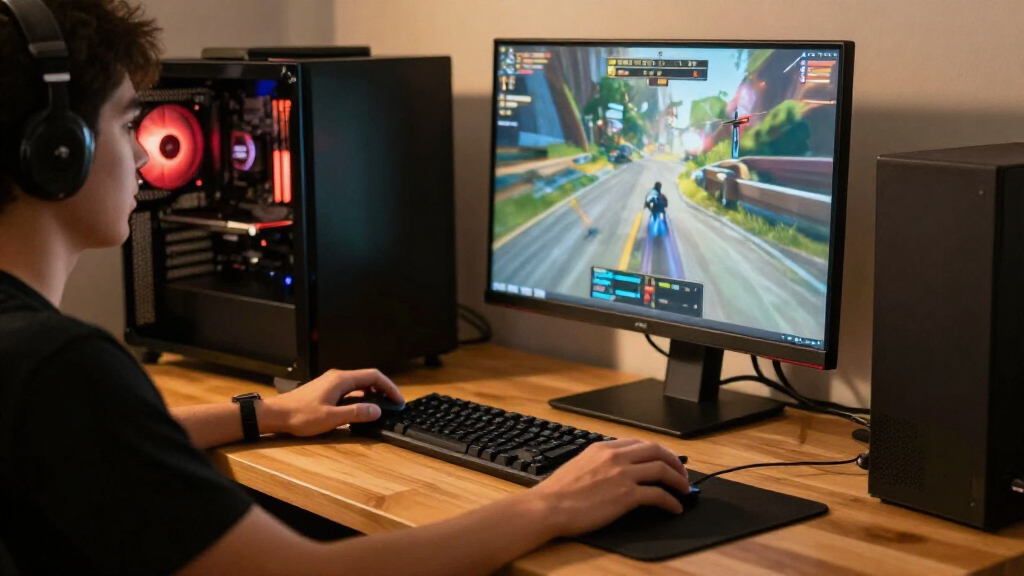
How We Picked
I ranked these processors by how well each fits a real gaming build, not by core count alone. Gaming-focused models received preference for a gaming-first recommendation, while I considered core count and unlocked operation as benefits for streaming, content creation, and tuning rather than automatic gaming advantages. I also weighed platform fit, since an AM4 CPU may make sense as a targeted upgrade but is not a like-for-like alternative to an AM5 build.
The ranking distinguishes the strongest all-around gaming choices from processors that make more sense for mixed workloads, entry-level systems, or existing builds. I also considered practical ownership factors, including cooler inclusion where specified and the need to plan for compatible motherboard, memory, and cooling. Product naming and specifications alone do not establish performance in every game, so I frame recommendations around intended use and tradeoffs rather than claiming a universal winner for every PC.
| AMD gaming CPU | Socket | Memory support |
|---|---|---|
| AMD Ryzen 7 9800X3D 8-Core | Socket AM5 | — |
| AMD Ryzen 9 9950X 16-Core | Socket AM5 | DDR5-5600 |
| AMD Ryzen 7 9700X 8-Core | AM5 | DDR5-5600 |
| AMD Ryzen 7 9850X3D Desktop Pr | — | — |
| AMD Ryzen 9 9900X3D 12-Core Pr | Socket AM5 | — |
| AMD Ryzen 7 5700X 8-Core | AM4 | DDR4-3200 |
| AMD Ryzen 5 5500 6-Core 12-Thr | AM4 | DDR4-3200 |
| AMD Ryzen 7 7700X 8-Core | AM5 | DDR5-5200 |
| AMD Ryzen 9 5900XT 16-Core 32- | AM4 | DDR4-3200 |
| AMD Ryzen 5 9600X 6-Core | AM5 | DDR5-5600 |
| AMD Ryzen 7 5800X3D 8-Core | AM4 | DDR4-3200 |
| AMD Ryzen 9 9950X3D 16-Core De | AM5 | — |
| AMD Ryzen™ 9 9900X 12-Core | AM5 | DDR5-5600 |
| AMD Ryzen™ 7 5800XT 8-Core 16- | AM4 | DDR4-3200 |
| AMD Ryzen 7 7800X3D 8-Core Des | AM5 | — |
Factors to Consider When Choosing Best AMD Gaming CPUs
Before choosing a processor, I would match it to the whole PC rather than treating the CPU as a standalone upgrade. These factors help avoid spending on capabilities your games or current platform cannot use.
Choose a platform before choosing a processor
AM4 and AM5 are separate motherboard platforms, so a CPU choice can set the direction of the rest of the build. A Ryzen 5000 processor can be appealing when you already own a compatible AM4 board and want to avoid replacing more parts, but compatibility depends on the exact motherboard and its firmware. A new AM5 build calls for a compatible AM5 motherboard and DDR5 memory, adding costs beyond the CPU itself. A common mistake is comparing processors without including these supporting components. I would first identify the board and memory you plan to keep, then shortlist only CPUs that fit that platform. If you are building from scratch, compare complete platform requirements rather than assuming an older CPU is automatically the less expensive route.
Match gaming focus to the work you actually do
For a PC used mainly for games, a gaming-focused processor can be a better fit than a higher-core-count model designed to cover broader workloads. Extra cores can matter for rendering, encoding, and other heavily threaded tasks, but they do not automatically improve every game. The Ryzen 9 9950X3D and standard Ryzen 9 options are easier to justify when gaming shares time with demanding productivity work. If you mostly play games and browse or chat, paying for cores that sit idle may be a poor allocation of your build budget. Think about the applications you run at the same time as a game, not just the game itself. That distinction helps separate a gaming CPU decision from a general workstation decision.
Plan cooling and power around the whole system
Do not assume that every processor includes a cooler or that a cooler supplied with one model will suit every workload. The Ryzen 5 5500 listing specifies a Wraith Stealth cooler, while the other product names here do not promise an included cooler. Check the exact box contents and the motherboard maker’s support information before ordering parts. A CPU pushed through sustained workloads can place different demands on cooling than a gaming session, so intended use matters. A large cooler also needs to fit the case and avoid conflicts with nearby components. I would settle the case, cooler, and airflow plan before treating a processor as a drop-in choice.
Balance the CPU with your graphics card and display
A fast gaming processor cannot compensate for a graphics card that is the limit in the games and resolution you use. At higher resolutions, the GPU often carries more of the workload, so a premium CPU may bring less practical benefit than a balanced graphics upgrade. At lower resolutions or with a high-refresh display, the processor can have a larger role in keeping frame delivery responsive. Avoid choosing a CPU solely from a model ranking without accounting for your GPU and target settings. I would write down the games, resolution, and refresh target first, then decide whether a CPU upgrade addresses the part of the system holding you back. This can prevent overspending on processor capability that your current setup cannot show.
Treat an AM4 upgrade differently from a new build
Owners of compatible AM4 systems face a different decision from someone assembling a PC from scratch. A Ryzen 7 5700X, Ryzen 9 5900XT, or other Ryzen 5000 option may preserve a board and memory investment, but each motherboard has its own supported CPU list and firmware requirements. A new AM5 build offers a newer platform path, though it also requires compatible parts. Do not assume that a BIOS update will make every AM4 processor work on every board; confirm support before buying. Also compare the cost and effort of a drop-in upgrade with replacing the platform as a whole. The right choice depends on what you already own, not just which processor appears higher in a general ranking.
Pay for headroom only when your workload can use it
Premium processors make sense when the PC has more than one demanding job or when a buyer has a specific need for additional multi-core capacity. For a gaming-only machine, a higher tier can add cooling and platform demands without being the most sensible use of the build budget. Conversely, a creator who games between lengthy CPU-heavy tasks may value the broader capability of a Ryzen 9 more than a gaming-only buyer would. Leave room in the decision for memory, storage, graphics, and cooling instead of concentrating the build around the CPU. Think about likely use over the life of the PC, but avoid buying speculative headroom that does not match any planned task. This is the clearest way to distinguish a premium fit from simply choosing the largest model name.
Frequently Asked Questions
Should I choose the Ryzen 7 9800X3D or the Ryzen 9 9950X3D for a gaming PC?
I would choose the Ryzen 7 9800X3D for a build centered on gaming, and consider the Ryzen 9 9950X3D when substantial multi-core work is part of the same PC’s regular use. The Ryzen 9’s larger core count is a broader-workload benefit, not a reason by itself to expect a better fit for every game. Your graphics card, resolution, and target refresh rate also shape how much CPU capability your games can use. If you do not have a clear workload beyond gaming, the eight-core-focused option is the simpler match. If you regularly create or process demanding content, the premium model may better fit the combined workload.
Can I replace an older Ryzen 5000 CPU with one of the newer Ryzen 7000 or 9000 models without changing my motherboard?
Usually, not as a direct swap: Ryzen 5000 models in this list use the AM4 platform, while Ryzen 7000 and 9000 models use AM5. An AM5 processor requires a compatible AM5 motherboard and DDR5 memory, so changing platforms can involve replacing several parts. If you want to keep an AM4 board, check its CPU support list and required firmware before choosing a Ryzen 5000 upgrade. A firmware update alone cannot make an AM4 board accept an AM5 processor. Compare the full platform change with the benefits of keeping the system you already own.
Is a Ryzen 9 worth choosing if I mainly play games?
For a gaming-only PC, I would not treat a Ryzen 9’s core count as an automatic upgrade over a gaming-focused Ryzen 7. Ryzen 9 models in this lineup are more compelling when gaming shares the system with demanding creative or multi-threaded work. If those tasks are occasional or light, the money and cooling allowance may be more useful elsewhere in the PC. The Ryzen 9 9900X3D and 9950X3D are aimed at buyers balancing gaming with other workloads, while the 9950X and 9900X offer high core counts without the X3D designation. Choose based on the work you actually run, not just the largest specification.
Is the Ryzen 5 5500 a good choice for a first gaming PC?
It can suit an entry-level build where the included Wraith Stealth cooler and six-core design help keep the parts list straightforward. Its AM4 platform also means you need to plan around a compatible AM4 motherboard and memory rather than treating it as a fit for a new AM5 system. Buyers building a new PC should compare the total cost and upgrade path of both platforms before deciding. The 5500 is not the right pick for someone seeking a premium, long-term AM5 build or a high-core-count processor for heavy work. I would choose it when its platform fit and entry-level role match the rest of the system.
Does an X3D processor make sense if I also edit video or do other CPU-heavy work?
It can, but the answer depends on how much time you spend on each workload and which X3D model you are considering. The Ryzen 7 X3D options are gaming-focused choices, while Ryzen 9 X3D models combine that positioning with more cores for buyers who also need broader capacity. Standard Ryzen 9 processors may be a better fit when multi-core work matters more than gaming-specific features. Do not assume that the X3D name alone settles the choice across every application. Check the requirements of your main editing or production software alongside your gaming priorities, then choose the balance that fits both.
Conclusion
For most gaming-first builds, I recommend the Ryzen 7 9800X3D as the best overall pick. The Ryzen 7 7800X3D is a strong alternative for buyers who want an AM5 gaming-focused option, while an existing AM4 owner should look at compatible Ryzen 5000 choices before replacing the platform. For mixed gaming and heavy multi-core work, the Ryzen 9 9950X3D is the best premium fit; the 9950X and 9900X are better suited to buyers prioritizing broader workloads. Beginners assembling an entry-level PC can consider the Ryzen 5 5500, particularly when its included cooler and AM4 fit suit the planned system. Choose by platform, graphics card, and workload first: that is more useful than buying the processor with the biggest core count.