
Using a laundry line to air dry your clothes is a simple way to save energy and extend fabric life. It reduces reliance on energy-consuming dryers, cuts utility bills, and prevents wear caused by heat. By hanging clothes with proper techniques and selecting the right spot, you get fresher-smelling, softer garments naturally. Want to discover effective setup tips and weather-adapted strategies? Keep exploring for practical ways to make your laundry routine more eco-friendly.
Key Takeaways
- Hanging laundry outdoors uses natural sunlight and airflow, reducing reliance on electric dryers to save energy.
- Air drying minimizes fabric wear and tear, extending clothing lifespan and maintaining quality.
- Proper spacing and hanging techniques ensure quick drying, decreasing the need for multiple drying cycles.
- Using sustainable, weather-resistant clotheslines reduces maintenance and prolongs the system’s durability.
- The habit encourages eco-friendly practices, lowering energy bills and promoting fabric preservation.

Vigorport Portable Travel Clothesline, Windproof Clothes Line with Hang Hole, Indoor and Outdoor Laundry Line with Clothespins for Hotel, Camping, RV, Cruise Ship (Green, 13.8Ft)
- Windproof and Non-Slip Design: Keeps clothes at perfect spacing
- Includes 12 Clothespins and Hanging Holes: Securely hang clothes and accessories
- Durable High-Strength Nylon Rope: Resists stains and withstands heavy loads
As an affiliate, we earn on qualifying purchases.
As an affiliate, we earn on qualifying purchases.
How to Hang Laundry on a Line: A Simple Step-by-Step Guide
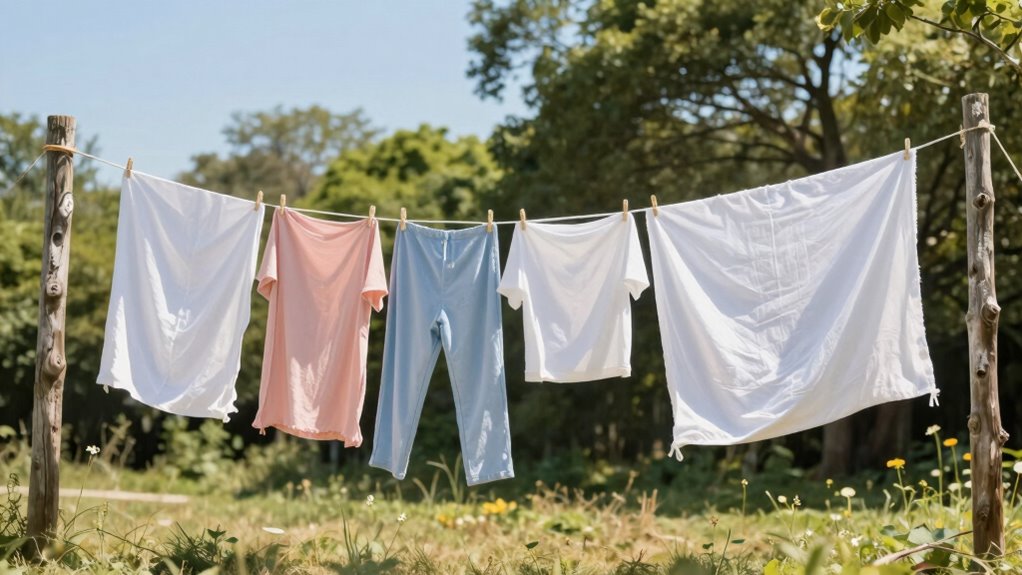
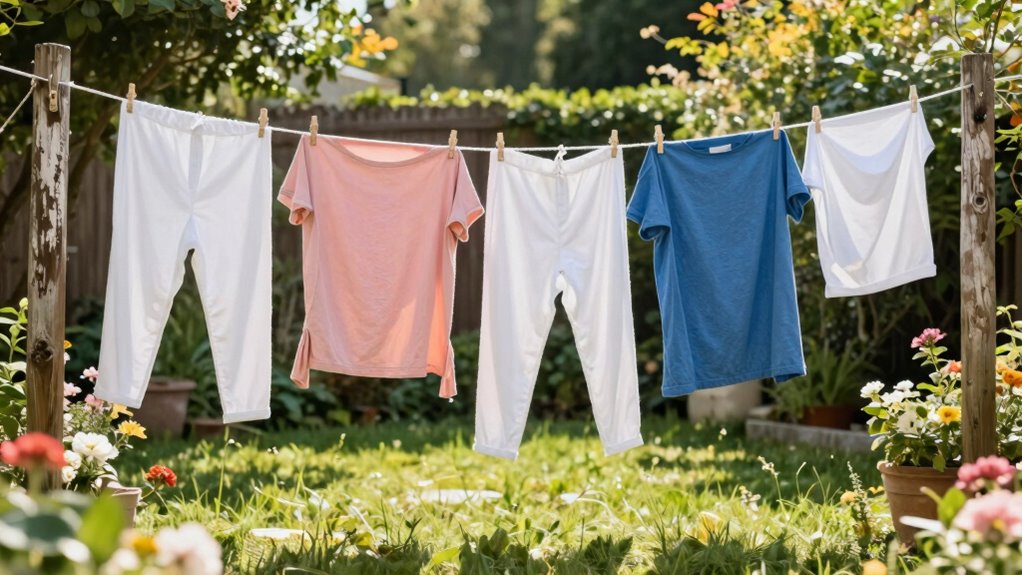
Hanging laundry on a line is straightforward once you know the steps. First, shake out each item to remove wrinkles and excess water. Use clothespins to secure clothing, placing them at the seams or edges to prevent damage. For fabric softening, hang clothes with the fabric facing outward, allowing air to circulate freely. This natural drying method reduces energy consumption since you’re skipping the dryer, leading to significant energy savings. Confirm clothes are spaced evenly to promote airflow and faster drying. Avoid overcrowding, which can cause damp spots. Once the clothes are hung, step back and check that everything’s secure. Proper clothes arrangement also helps promote even drying and reduces the chances of mold or mildew forming. Additionally, using a solar drying approach harnesses renewable energy to further lower your carbon footprint. Proper clothes spacing is essential for optimal airflow and efficient drying. To enhance the effectiveness of your drying process, consider airflow optimization techniques such as adjusting the placement of your clothesline or using wind to your advantage. This simple process not only saves energy but also helps maintain the fabric’s integrity, resulting in fresher, softer clothes naturally.

Plastic Clothesline Rope 5/32" x 50 FT, White Outdoor Clothes Line for Hanging and Drying Laundry, Weather Resistant Braided Plastic Laundry Line, Synthetic Cord for Clothesline Pulley
- Material: Plastic clothesline rope
- Color: White outdoor line
- Length: 50 feet long
As an affiliate, we earn on qualifying purchases.
As an affiliate, we earn on qualifying purchases.
What Are the Benefits of Air Drying Clothes Naturally?
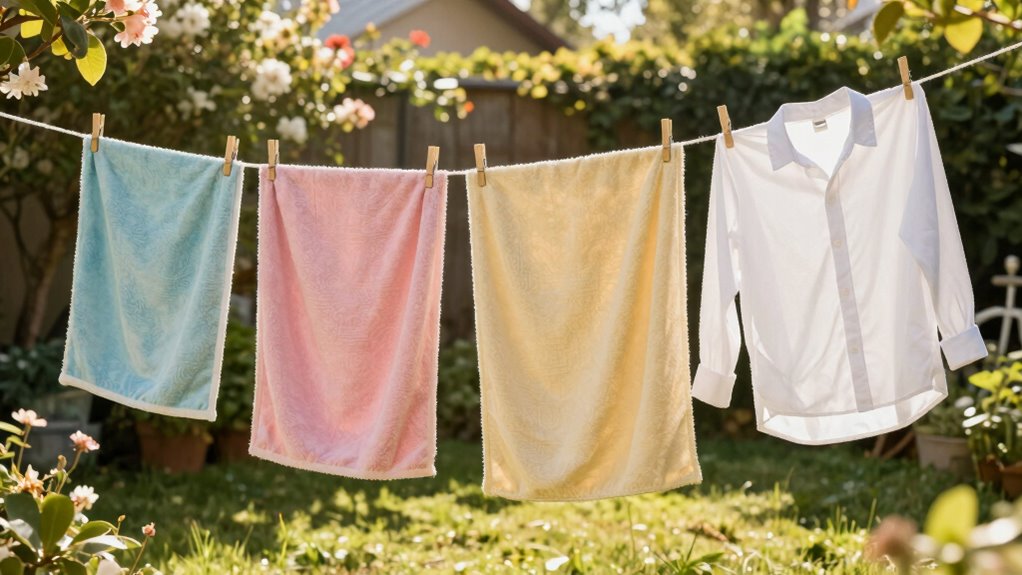
Choosing to air dry your clothes naturally offers numerous benefits beyond saving energy. It helps preserve your fabric’s integrity, reducing wear and tear caused by high heat in dryers. Air drying also naturally softens fabrics, eliminating the need for commercial fabric softeners that can irritate skin. Plus, hanging clothes outside allows sunlight and fresh air to work together to eliminate odors more effectively than artificial fragrances. This process keeps your clothes smelling fresh without chemical treatments. Additionally, air drying minimizes static cling, making clothes easier to wear straight from the line. Incorporating proper drying techniques can further enhance these benefits and ensure your clothes dry efficiently and safely. Using smart lock technology to secure outdoor drying areas can also help protect your clothes from theft or animals. Proper clothesline setup ensures even drying and reduces wrinkles, extending the lifespan of your garments. To maximize efficiency, selecting the right outdoor drying conditions is essential for quick and safe drying. Being mindful of humidity levels can also influence drying time and effectiveness. Overall, it’s gentler on your garments, extends their lifespan, and promotes a healthier environment for both your family and the planet.

ZOES HOMEWARE 2026 Enhanced Clothes Drying Rack | Foldable Drying Rack Clothing for Laundry | Small Collapsible Portable Dryers for Laundry | Use for Indoor & Outdoor | White 37.5"x29"x12"
- Reinforced Load Capacity: Over 100% stronger with new materials
- Easy Assembly: Simplified setup and takedown process
- Foldable & Space-Saving: Folds to 17x19x4 inches for storage
As an affiliate, we earn on qualifying purchases.
As an affiliate, we earn on qualifying purchases.
How to Choose the Best Clothesline for Your Space and Needs
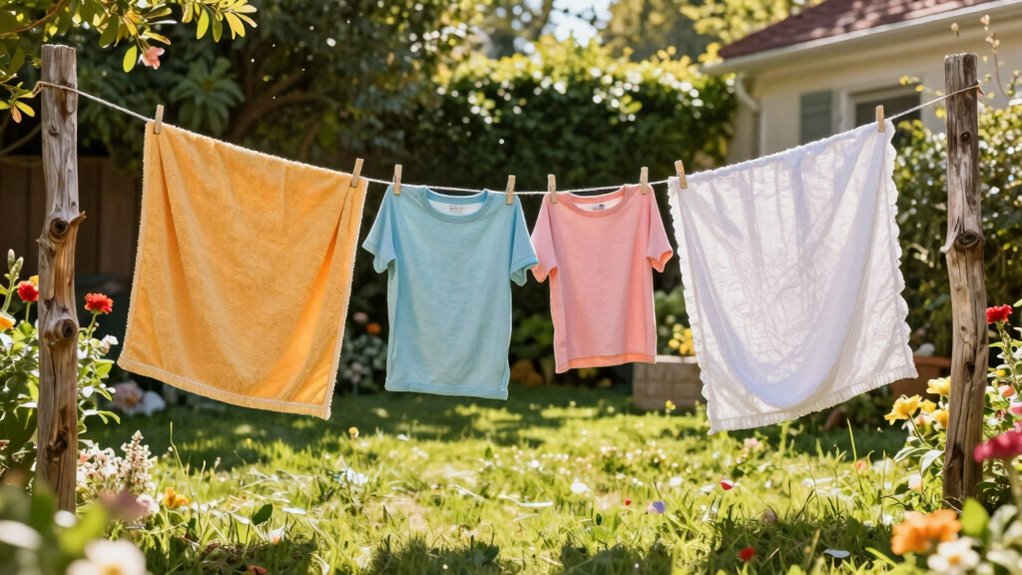
Choosing the right clothesline depends on your available space, so consider size and layout first. You’ll also want a durable material that can withstand weather, and easy installation and maintenance are key for long-term use. Keep these points in mind to find a clothesline that fits your needs perfectly. Additionally, selecting a multi-functional gear can help optimize space and functionality in outdoor drying solutions. For instance, some outdoor drying solutions are designed with integrated features that enhance versatility and convenience in various environments. Incorporating space-saving designs can further improve the efficiency of your outdoor drying setup, especially in limited areas. Understanding weather-resistant materials can help you choose a clothesline that remains reliable across different climates, and selecting those made from corrosion-resistant metals can extend the lifespan of your clothesline in humid or rainy conditions.
Space Compatibility Tips
To guarantee your clothesline fits your space and meets your needs, start by evaluating the available area and considering how much laundry you typically handle. Focus on maximizing space efficiency with smart choices. Look for clotheslines with compact designs that fit small or narrow areas without crowding your space. Consider these tips:
- Measure your available space before purchasing.
- Opt for retractable or foldable lines to save room when not in use.
- Choose vertical or wall-mounted options for limited spaces.
- Select adjustable lines to accommodate different laundry loads.
- Incorporate space-efficient designs to optimize your drying setup and make the most of your available area.
- When selecting a clothesline, consider using sustainable materials such as recycled or eco-friendly options to further reduce your environmental impact.
- Additionally, look for sound therapy integration features in some modern clotheslines that can promote a more relaxing drying experience.
- Being aware of the environmental impact of tissue paper can inspire you to choose eco-friendly craft and household solutions that complement your sustainable drying habits.
- To enhance your eco-conscious practices, consider the lifespan and durability of the materials to ensure your clothesline remains effective over time.
Material and Durability
The material and durability of your clothesline directly impact how well it performs over time, especially in different weather conditions. Choosing a line with strong fabric strength guarantees it can support heavy loads without sagging or breaking. Weather durability is equally important; a line resistant to sun, rain, and wind will last longer and maintain its functionality. Materials like stainless steel, coated steel, or high-quality nylon often offer excellent resilience against the elements. Additionally, selecting a line made from weather-resistant materials ensures longevity and consistent performance in various climates. Incorporating UV-resistant fabrics can also help prevent deterioration caused by prolonged sun exposure. Investing in corrosion-resistant options can further extend the lifespan of your clothesline, especially in coastal or humid environments. Using a clothesline with weatherproof coatings provides an extra layer of protection against harsh weather conditions. To further enhance durability, look for lines with rustproof connectors that prevent corrosion at attachment points. Avoid flimsy or low-grade options that degrade quickly, leading to frequent replacements. By selecting a clothesline made from durable materials with high fabric strength, you ensure reliable performance season after season, saving you time and money while keeping your laundry routine eco-friendly and efficient.
Installation and Maintenance
Selecting the right clothesline involves considering how it will fit into your space and how you’ll maintain it over time. First, assess your available area to choose the best mounting options—wall-mounted, ceiling retractable, or freestanding. Second, ensure the setup is sturdy enough for your typical laundry load. Third, follow maintenance tips like inspecting for rust or wear regularly and tightening connections. Fourth, clean the line periodically to prevent mold or dirt buildup. To keep it functioning smoothly, check the tension and replace worn parts as needed. Proper installation and routine upkeep will extend your clothesline’s lifespan and guarantee it remains effective. Additionally, choosing compatible smart home devices can help monitor and improve your laundry drying process. With these steps, you’ll enjoy energy-efficient drying year-round with minimal effort.
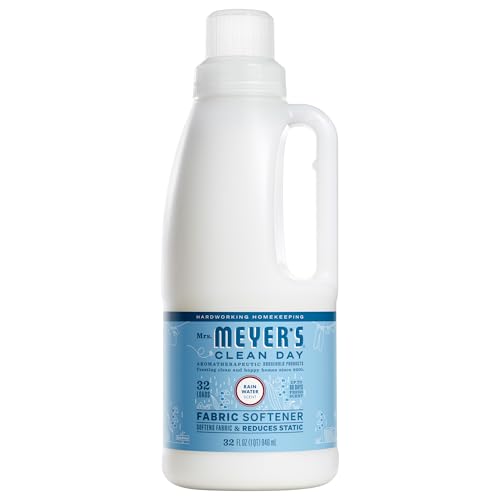
MRS. MEYER'S CLEAN DAY Liquid Fabric Softener, Rain Water, 32 fl oz
- Freshens and reduces static: Liquid fabric softener adds freshness while reducing static from clothes
- Free from harmful chemicals: Made without parabens, phthalates, or animal-derived ingredients
- Safe for all washing machines: Safe for use in high efficiency and conventional washing machines
As an affiliate, we earn on qualifying purchases.
As an affiliate, we earn on qualifying purchases.
Tips for Setting Up and Using Your Laundry Line Effectively
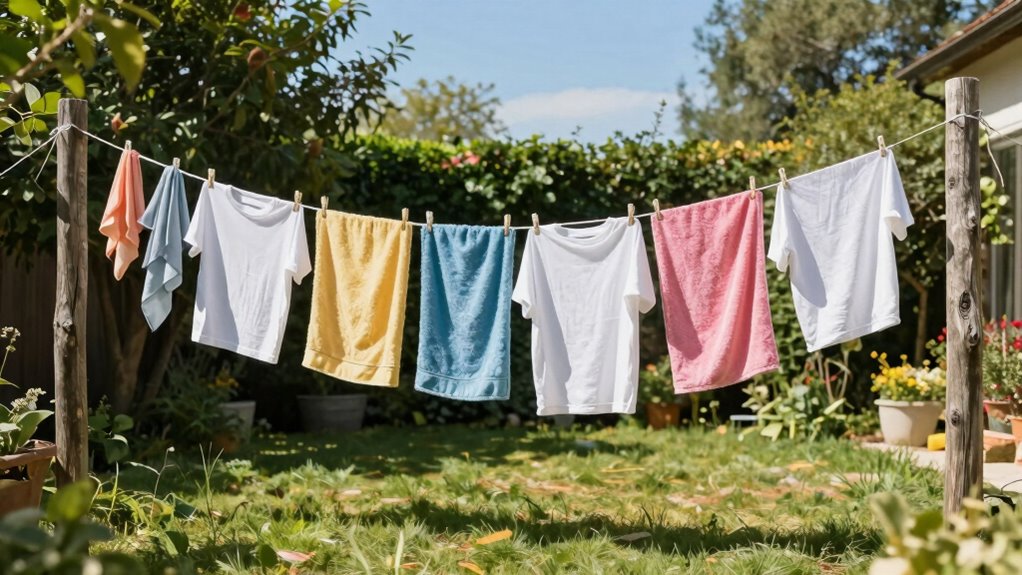
To get the most out of your laundry line, you need to choose a spot with good sunlight and airflow. Make sure your clothes are hung with enough space between them to dry evenly. Using proper hanging techniques helps prevent wrinkles and guarantees your laundry dries quickly.
Selecting Optimal Spot
Choosing the right spot for your laundry line is essential for efficient drying and lasting setup. Your clothesline placement should maximize sunlight, airflow, and protection from wind or rain. For outdoor space, pick a location with good sun exposure and minimal shade. Make certain the area is flat and sturdy to prevent sagging. Here are some tips:
- Avoid shaded or sheltered spots that slow drying.
- Choose a well-ventilated outdoor space for faster evaporation.
- Set up away from trees or structures that drop leaves or debris.
- Guarantee the ground is stable and can support the tension of the line.
Proper clothesline placement not only speeds up drying but also preserves the fabric’s integrity. Select your spot carefully for best results.
Proper Hanging Techniques
Once your laundry line is set up in the right spot, mastering proper hanging techniques guarantees your clothes dry efficiently and stay in good condition. Hang clothes with enough space between items to ensure good airflow, which speeds up drying and prevents musty odors. Turn delicate fabrics inside out to help with fabric softening and reduce fading, aiding in color preservation. Use clothespins gently to avoid damaging fabrics or creating marks. Hang heavier items like towels from their edges to prevent stretching, and drape lighter garments flat or with minimal tension. Avoid overcrowding the line, as this can trap moisture and prolong drying time. Proper hanging techniques help maintain fabric quality, preserve colors, and make your laundry line habit more effective and eco-friendly.
Common Challenges When Hanging Laundry Outdoors and How to Fix Them
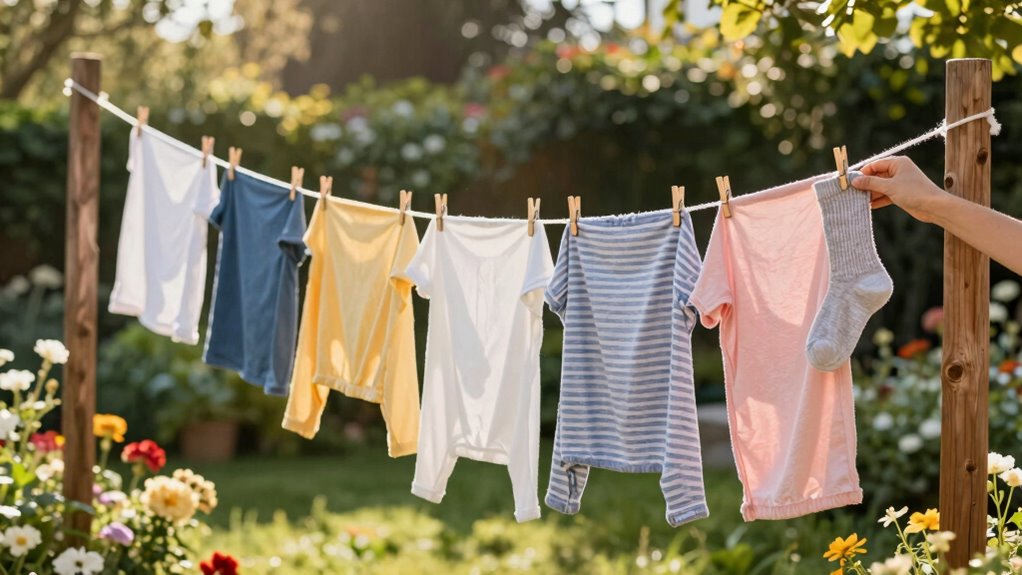
Hanging laundry outdoors can be straightforward, but it often comes with common challenges that can frustrate even seasoned laundry line users. One major issue is clothing shrinkage, especially with delicate fabrics. To prevent this, avoid hanging wet clothes that are prone to shrinking, and opt for air-drying at lower temperatures or less heat-sensitive items. Wind damage is another concern, as strong gusts can tangle or blow clothes off the line. To fix this, secure garments properly, using clothespins at multiple points, and choose a sheltered spot if possible. Other challenges include uneven drying and dirt or debris sticking to clothes. Being mindful of weather conditions and properly securing garments can help you overcome these issues and keep your laundry looking fresh.
Quick Tips for Faster Air Drying in Different Weather Conditions
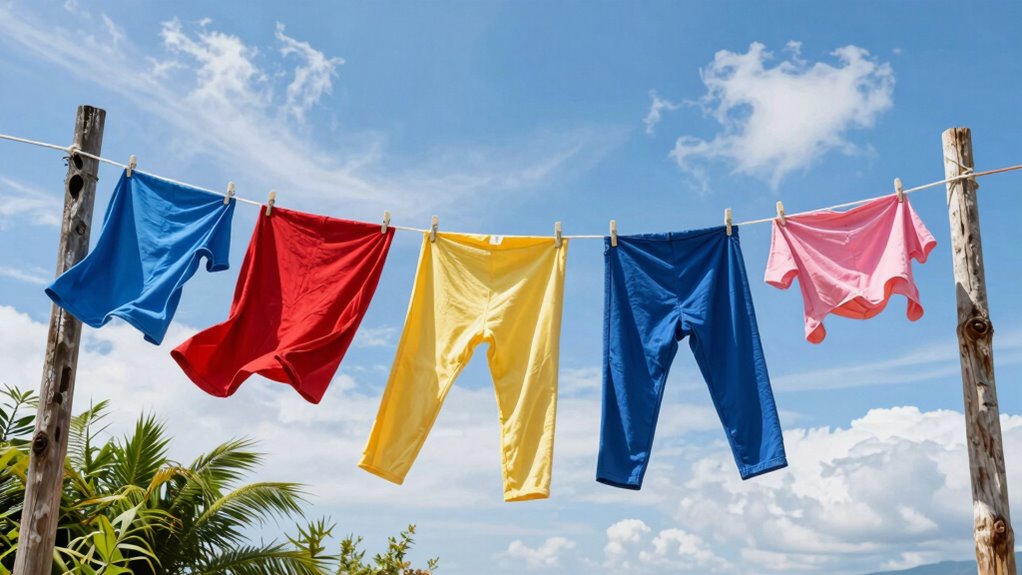
To speed up air drying in different weather conditions, you need to adapt your approach based on the environment. For outdoor drying, sunny and breezy days are ideal, so hang clothes in direct sunlight and ensure good airflow. When it’s humid or rainy, indoor drying becomes essential. Use a well-ventilated space and consider dehumidifiers for humidity regulation.
| Weather Condition | Quick Tips |
|---|---|
| Sunny and dry | Hang clothes in direct sunlight, use breeze |
| Humid or rainy | Dry indoors, improve ventilation, control humidity |
| Cold weather | Use indoor drying, space out clothes for airflow |
| Windy days | Maximize airflow outdoors, avoid overlapping clothes |
Adjusting your method makes air drying faster and preserves fabric quality.
Incorporating Air Drying Into Your Eco-Friendly Laundry Routine
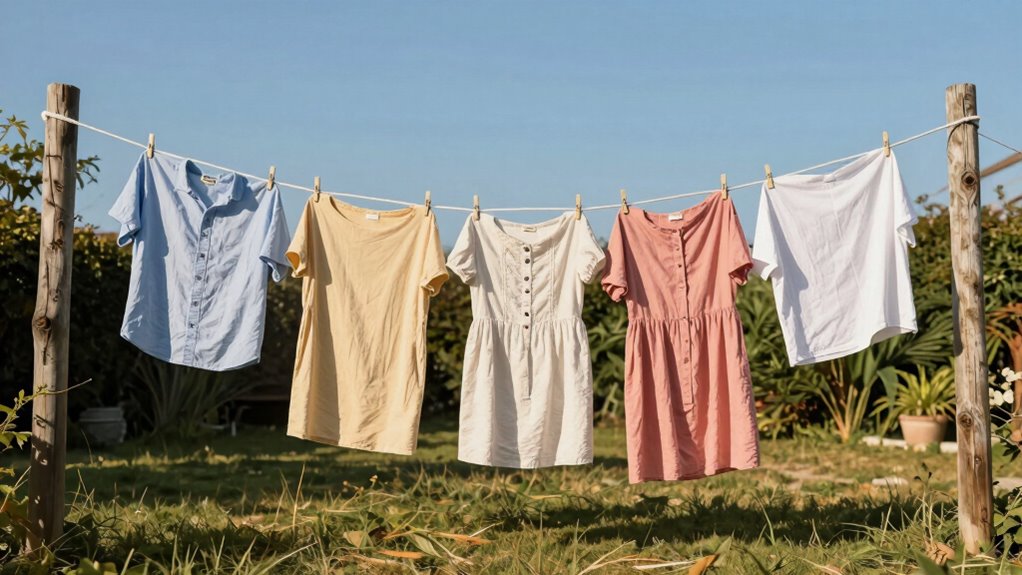
Incorporating air drying into your eco-friendly laundry routine is an effective way to reduce energy consumption and lower your carbon footprint. You can explore various clothesline alternatives and indoor drying solutions to suit your space and climate. Here are four tips to optimize your air-drying process:
- Use a sturdy clothesline or drying rack in well-ventilated areas.
- Hang clothes evenly to promote faster drying and prevent wrinkles.
- Place indoor drying solutions near windows or fans for better airflow.
- Combine outdoor and indoor drying to maximize efficiency in different weather conditions.
Frequently Asked Questions
How Does Line-Drying Extend the Lifespan of Clothes?
Line-drying extends the lifespan of your clothes by reducing wear and tear caused by machine tumbling. It’s gentler on fabric, preventing stretching, shrinking, or weakening fibers. By avoiding high heat, you preserve the fabric’s quality and color, which boosts garment longevity. Plus, hanging clothes allows you to handle them more carefully, keeping them looking newer longer. Overall, this simple habit helps your clothes stay fresh, intact, and in good shape for years.
Can Air Drying Prevent Color Fading in Fabrics?
Think of your clothes as delicate paintings that need gentle care. Air drying acts like a soft breeze, preventing color fading and preserving vibrant hues. It’s gentle on fabrics, maintaining their softness and vibrancy longer. By avoiding harsh dryers, you help your clothes stay colorful and fresh. So, when you hang your laundry to dry naturally, you’re giving your fabrics a tender touch that keeps them looking new and feeling cozy.
What Are the Best Times of Day for Outdoor Drying?
You should dry your clothes outdoors during mid-morning or late afternoon, as these times offer ideal conditions like gentle sunlight and lower humidity. Avoid peak midday hours when strong sun can fade colors and high temperatures may damage fabrics. Timing considerations ensure quicker drying and better fabric preservation. By choosing these periods, you maximize energy savings and keep your clothes looking fresh and vibrant longer.
Is Line-Drying Suitable for Delicate or Special Fabrics?
You might notice that line-drying isn’t always ideal for delicate materials or gentle fabrics, and that’s true. When you hang these fragile items outdoors, they can stretch or get damaged from the sun and wind. For delicate fabrics, it’s better to use a flat drying method or indoor drying racks. This way, your special clothes stay in perfect condition, reflecting your care and attention to detail.
How Does Weather Impact the Energy Savings of Air Drying?
Weather considerably impacts your energy savings when air drying laundry. Climate considerations, like humidity and temperature, determine how quickly your clothes dry, reducing or increasing drying time. Seasonal variations also matter; in summer, you’ll save more energy with faster drying, while winter or rainy days may extend drying times, potentially reducing savings. To maximize benefits, choose days with ideal weather conditions for air drying, especially during the warmer, sunnier months.
Conclusion
By embracing the laundry line, you’re weaving sustainability into your daily routine, turning mundane chores into a symphony of eco-consciousness. With each cloth dancing in the breeze, you breathe life into your clothes and your planet. It’s a simple act, yet it echoes like a gentle ripple across the water—transforming your laundry habit into a powerful, mindful gesture that sustains both your wardrobe and the world around you.