
To create a low-waste cleaning routine, start by replacing disposable wipes and bottles with reusable cloths and refillable spray bottles. Use DIY natural cleaners made from vinegar, baking soda, or citrus peels. Organize your space to keep eco-friendly supplies handy, and schedule regular cleaning sessions to stay consistent. Focus on reducing plastic packaging and waste, and you’ll find sustainable habits become second nature. For more tips, explore how to build a simple, effective routine.

Get the latest gadgets delivered free — and shop member deals
- Fast, free delivery on millions of items
- Access to Prime Big Deal Days deals on October 6–7
- Prime Video, Amazon Music and more included
Key Takeaways
- Use reusable cleaning tools like cloth rags, spray bottles, and brushes to minimize disposable waste.
- Create homemade, natural cleaners with ingredients like vinegar, baking soda, and citrus peels.
- Schedule regular cleaning sessions with designated days to maintain consistency and reduce clutter.
- Store supplies in biodegradable or reusable containers to encourage eco-friendly habits.
- Incorporate minimal water use and avoid disposable wipes for environmentally conscious cleaning practices.
As an affiliate, we earn on qualifying purchases.
Understand the Environmental Impact of Traditional Cleaning Products
Traditional cleaning products often contain chemicals that harm the environment, and many people overlook their impact. When you use harsh cleaners, chemicals can wash down drains and enter water systems, leading to chemical runoff that contaminates rivers and lakes. This pollution affects aquatic life and can even enter the food chain. Additionally, many cleaning bottles are made of plastic, contributing to plastic pollution when discarded. These plastics take hundreds of years to decompose, polluting land and waterways. By understanding these effects, you realize that your routine cleaning choices influence the environment more than you might think. Choosing environmentally friendly options helps reduce chemical runoff and plastic waste, protecting ecosystems and promoting a healthier planet. Small changes can make a significant difference, and exploring halal-certified cleaning products can also ensure your routine aligns with ethical and cultural values. Incorporating biodegradable packaging into your cleaning supplies can further minimize plastic waste and environmental impact. Being aware of the chemical composition of cleaning products can help you select safer, eco-friendly alternatives, especially considering environmental regulations that govern chemical use. Additionally, understanding the life cycle of cleaning products can guide you toward more sustainable choices.
As an affiliate, we earn on qualifying purchases.
Choose Key Low-Waste Cleaning Supplies for Your Home
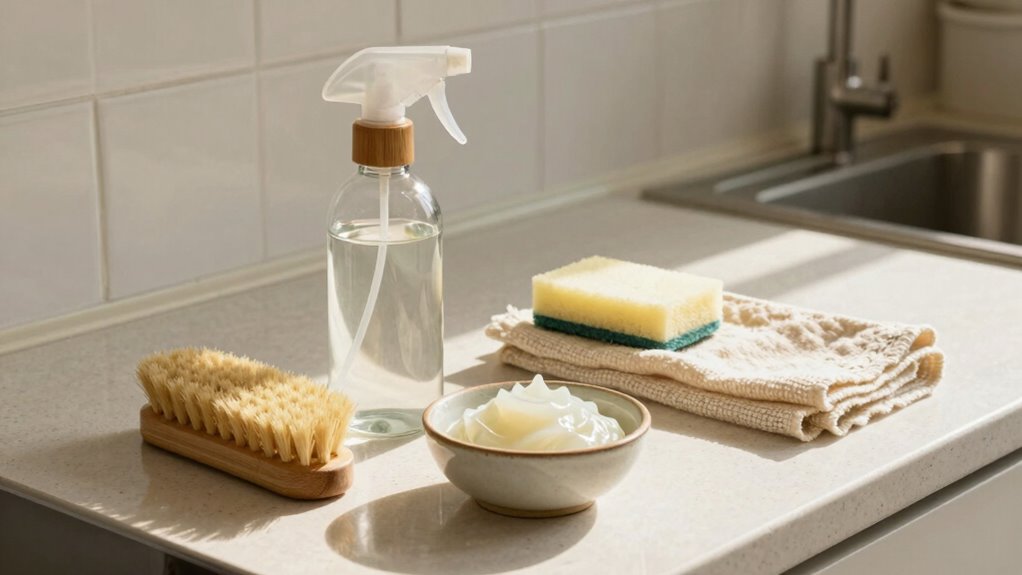
To reduce waste and minimize your environmental footprint, selecting the right cleaning supplies is essential. Focus on items made from natural fibers, like microfiber cloths or brushes, which are durable and effective. Use cleaning tools stored in biodegradable containers to guarantee minimal plastic waste. Opt for refillable spray bottles and jars that can be reused or filled with eco-friendly solutions. Look for plant-based scrub brushes and mop heads that break down naturally at the end of their lifecycle. Consider biodegradable sponges and cloths that don’t contribute to landfill buildup. Incorporating sustainable materials into your routine supports eco-conscious living while keeping your home clean and healthy. Using biodegradable packaging for cleaning supplies further reduces plastic waste and promotes environmental sustainability. Additionally, selecting eco-friendly cleaning methods can further lower your ecological impact. Choosing supplies crafted from natural fibers not only enhances cleaning efficiency but also reduces reliance on synthetic materials. These choices help you create a low-waste routine while maintaining a clean and healthy home. By choosing supplies crafted from natural fibers and stored in biodegradable containers, you’re supporting sustainability with every cleaning task. Incorporating electric-powered tools, such as electric scrubbers or dusters, can also improve cleaning efficiency while reducing manual effort.
As an affiliate, we earn on qualifying purchases.
Create DIY Eco-Friendly Cleaning Solutions
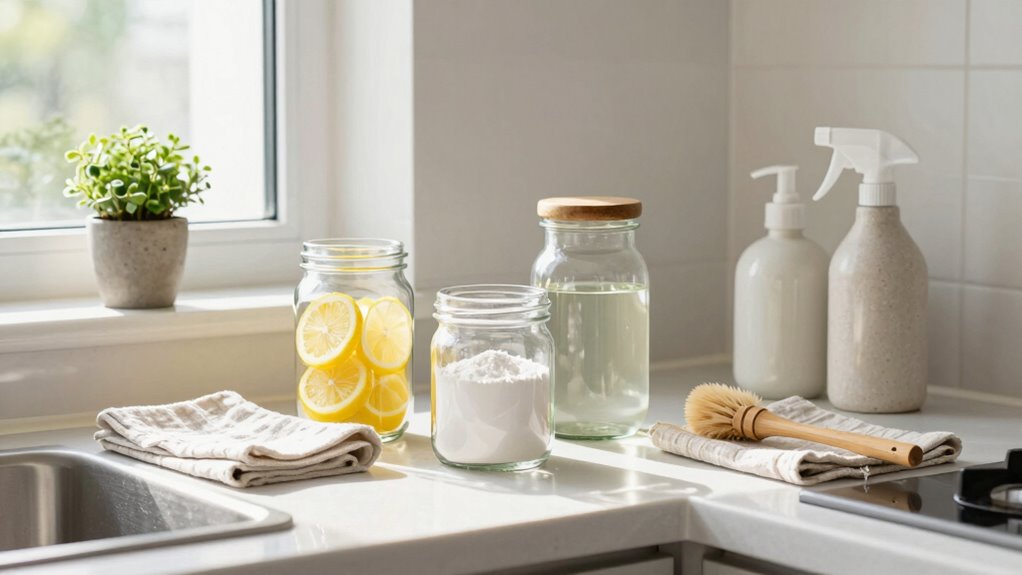
Building on your efforts to choose low-waste cleaning supplies, making your own eco-friendly solutions guarantees you control ingredients and reduce packaging waste. You can craft effective cleaners using simple ingredients like vinegar, baking soda, and citrus peels. When selecting cleaning gadgets, opt for reusable brushes and cloths to minimize waste. DIY solutions also give you the freedom to customize fragrance choices, using natural essential oils like tea tree, lemon, or lavender for a fresh scent without synthetic chemicals. By creating your own cleaners, you avoid single-use bottles and unnecessary packaging, supporting a low-waste routine. Additionally, incorporating aquatic exercise into your wellness regimen can promote relaxation and overall health while maintaining your eco-friendly lifestyle. Engaging in natural swimming can also help you connect more deeply with your environment and reinforce sustainable practices. Plus, homemade solutions are cost-effective and safer for your family and the environment. Embrace this approach to make cleaning both eco-friendly and personalized, especially when you consider the benefits of sustainable cleaning practices. Incorporating zero-waste lifestyle principles into your routine further enhances your commitment to environmental responsibility.
As an affiliate, we earn on qualifying purchases.
Build a Waste-Reducing Cleaning Routine
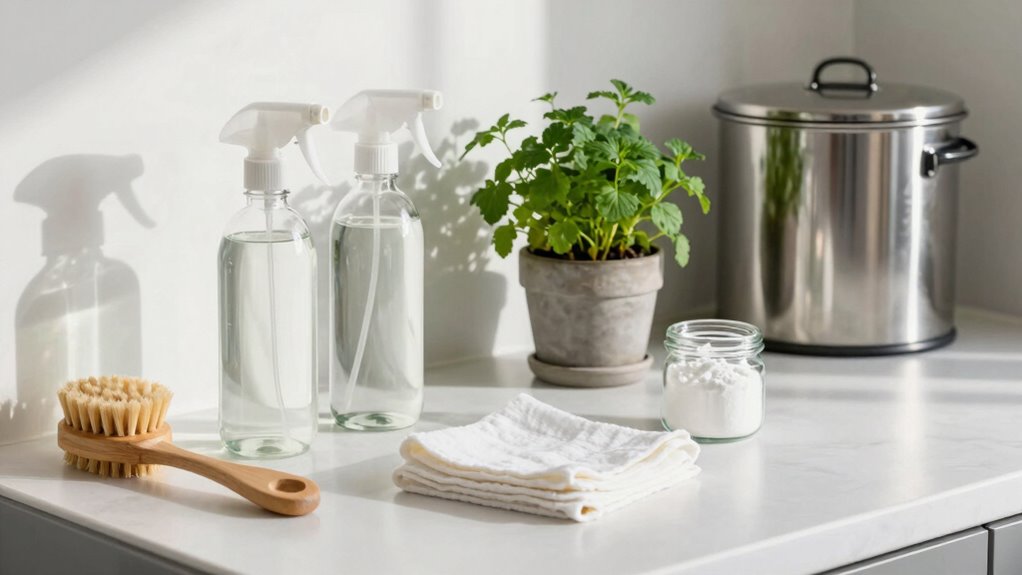
To build a waste-reducing cleaning routine, start by choosing reusable supplies like cloth rags and spray bottles. Adopt eco-friendly techniques such as using minimal water and avoiding disposable wipes. These simple changes help cut down waste and make your cleaning more sustainable. Incorporating a heat gun into your cleaning toolkit can also assist with tasks like removing adhesive residues or drying surfaces quickly, further enhancing your eco-friendly practices environmentally friendly craft supplies. Also, maintaining proper humidity management can help preserve the longevity of rugs and reduce the need for frequent deep cleanings. Understanding the significance of time and life mysteries can inspire more mindful and efficient cleaning routines, helping you better organize your cleaning schedule and equipment. Additionally, being aware of child development principles can encourage more play-based and mindful cleaning habits that involve children in sustainable practices.
Choose Reusable Supplies
Opting for reusable supplies is a simple yet impactful way to reduce waste in your cleaning routine. By choosing eco-friendly alternatives, you cut down on disposable products and minimize landfill clutter. Imagine replacing single-use paper towels with washable cloths, or swapping plastic spray bottles for durable, refillable ones. Consider using:
- Microfiber cloths for streak-free cleaning
- Reusable scrub brushes with replaceable heads
- Stainless steel or glass spray bottles
- Washable mop pads and towels
- Cotton or bamboo cleaning rags
These supplies not only cut waste but also save you money over time. Reusable supplies encourage mindful consumption and contribute to a more sustainable lifestyle. Incorporating sustainable cleaning practices into your routine can further enhance your eco-friendly efforts. Additionally, selecting supplies made from renewable materials helps reduce environmental impact. Choosing supplies made from biodegradable materials can further lessen your ecological footprint. With these eco-friendly alternatives, you’ll create a cleaner home and a healthier planet.
Adopt Eco-Friendly Techniques
Wondering how to make your cleaning routine even more sustainable? Start by adopting eco-friendly techniques that reduce waste and environmental impact. Choose cleaning products in biodegradable packaging to guarantee they break down naturally, minimizing pollution. Support brands that prioritize sustainable supply chains, ensuring ingredients are responsibly sourced and production minimizes waste. Use natural cleaning solutions like vinegar, baking soda, and lemon, which eliminate the need for harmful chemicals. Incorporate microfiber cloths instead of disposable wipes, reducing waste over time. Additionally, opt for concentrated cleaners that require less packaging and water, further lowering your environmental footprint. Sustainable supply chains ensure ingredients are responsibly sourced and production minimizes waste. Incorporating zero-waste cleaning tools can significantly cut down on single-use items, helping you move toward a truly sustainable routine. Being mindful of environmental impact when choosing cleaning methods further supports eco-friendly practices. Considering low-waste cleaning strategies can further enhance your efforts toward sustainability. By making these choices, you contribute to a cleaner planet while maintaining an effective, low-waste cleaning routine.
Organize Your Space to Minimize Clutter and Waste
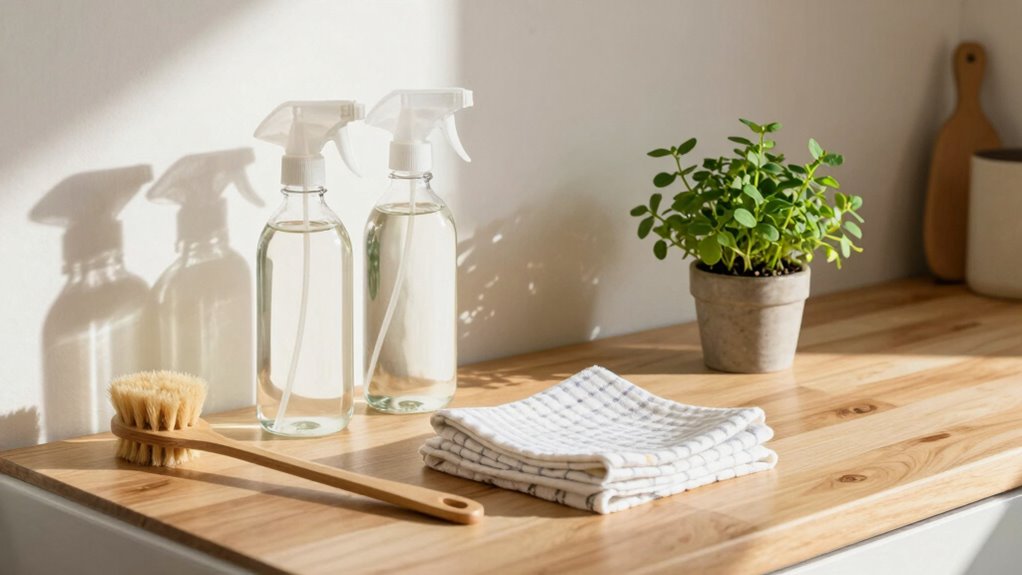
Organizing your space effectively is key to reducing clutter and waste. When you implement smart storage solutions and decluttering strategies, you create a more efficient environment that minimizes unnecessary items. Start by grouping similar items together, using clear containers and labels to keep things visible and accessible. Use wall-mounted shelves or under-bed storage to maximize space and avoid clutter accumulation. Regularly reassess your belongings, donating or recycling what you no longer need. Keep countertops clear by designating specific spots for essential items, so you don’t accumulate waste. Incorporate these strategies to streamline your space, reduce waste, and make cleaning easier. With intentional organization, your home becomes a sustainable, clutter-free zone that promotes a low-waste lifestyle.
Learn How to Dispose of Waste and Recycle Responsibly
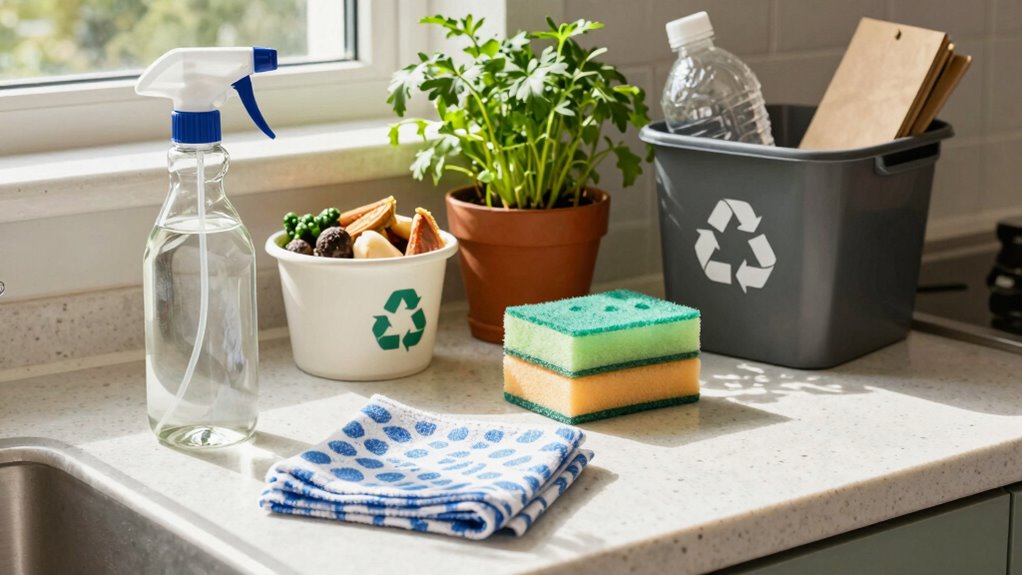
Once your space is well-organized and clutter is minimized, managing waste becomes a straightforward part of maintaining a low-waste lifestyle. Start by separating recyclables like paper, plastic, and glass, and always rinse items before recycling. Be mindful of biodegradable packaging—opt for products with compostable or minimal packaging to reduce landfill waste. Implement composting tips by setting up a compost bin for organic waste such as food scraps and yard waste; this keeps waste out of landfills and creates nutrient-rich soil. Avoid single-use plastics and prioritize reusable containers. Educate yourself about local recycling guidelines to ensure proper disposal. By being intentional with waste disposal and recycling responsibly, you contribute to a cleaner environment and support sustainable living habits.
Maintain Your Low-Waste Cleaning Habits Over Time
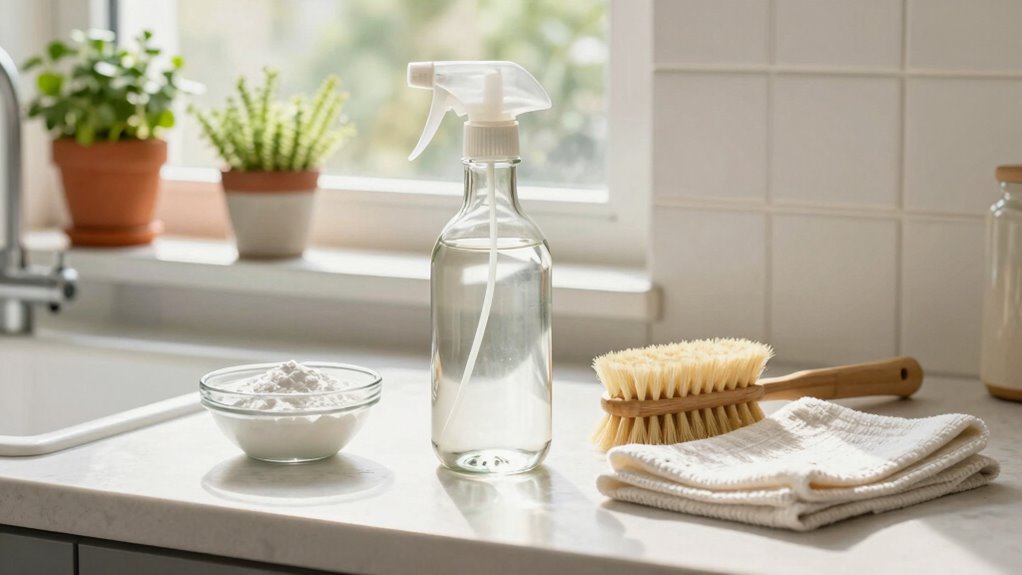
To sustain your low-waste cleaning habits over time, maintaining consistency and mindfulness of your routines is essential. Reliable maintenance ensures your habits become second nature, while routine scheduling keeps you on track. Set aside specific days or times for cleaning to build a habit that sticks. Visualize your space with:
- A neatly organized shelf of refillable bottles
- A bin filled with compostable waste ready for pickup
- A jar of homemade, eco-friendly cleaning solutions
- A checklist on your fridge to remind you of daily tasks
- A designated spot for reusable cleaning tools
Overcome Common Challenges When Going Low-Waste
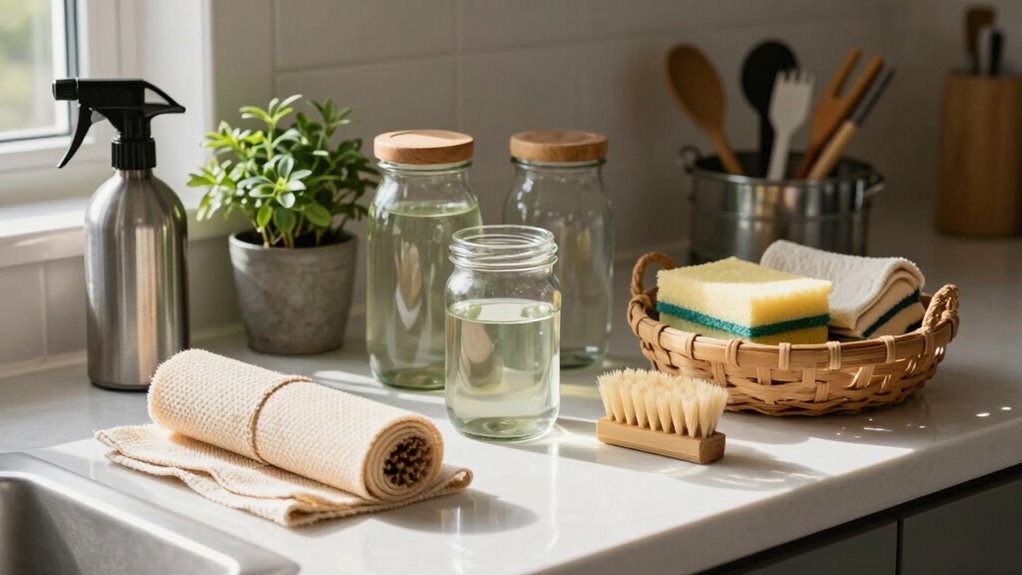
Switching to a low-waste cleaning routine can come with challenges like managing costs and finding effective alternatives. You might also struggle with breaking old habits that no longer serve your eco goals. Addressing these issues head-on helps you stay committed and makes the changeover smoother.
Managing Cost Concerns
Many people hesitate to adopt a low-waste cleaning routine because of concerns about increased costs, but these worries aren’t always justified. There are many cost-effective options and budget-friendly methods that can help you save money while reducing waste. Imagine using reusable cleaning cloths instead of disposable wipes, or choosing bulk refills to cut packaging waste. You might also consider investing in durable, multi-purpose tools that last longer. Additionally, making your own cleaning solutions with simple ingredients like vinegar and baking soda can be both economical and eco-friendly. These small changes can lead to significant savings without sacrificing cleanliness. Embracing these strategies allows you to manage cost concerns effectively while maintaining an environmentally conscious routine.
Finding Effective Alternatives
While cost concerns can be a barrier to adopting a low-waste cleaning routine, finding effective alternatives that fit your lifestyle is key to overcoming this challenge. Start by choosing natural fibers like microfiber cloths or plant-based scrub brushes, which reduce waste and increase cleaning efficiency. Swap out chemical-free cleaners for simple ingredients like vinegar, baking soda, and lemon, which are affordable and eco-friendly. These options work well on various surfaces and eliminate the need for disposable wipes or sprays. Investing in reusable tools and homemade solutions might seem intimidating at first, but they’re often more effective and sustainable long-term. By prioritizing natural fibers and chemical-free cleaners, you create a cleaning routine that’s both effective and aligned with your low-waste goals.
Overcoming Habitual Obstacles
Overcoming habitual obstacles is essential when shifting to a low-waste cleaning routine. Habitual resistance can make change feel uncomfortable, but with effective motivation strategies, you can break old patterns. Visualize the fresh sense of satisfaction after using eco-friendly products or reducing waste. Remember, small wins build momentum, like switching to reusable cloths or bulk supplies. To stay motivated, set clear goals and track progress. Remind yourself why you started—better health, environmental impact, cost savings. Staying consistent helps rewire your habits, making low-waste cleaning second nature. Keep these imagery cues in mind:
- Reaching for a reusable spray bottle instead of a plastic one
- Filling a compost bin with kitchen scraps
- Wiping surfaces with a cloth instead of disposable wipes
- Sorting recyclables into designated bins
- Using natural ingredients to clean with confidence
Find Resources and Community Support for Eco-Friendly Cleaning
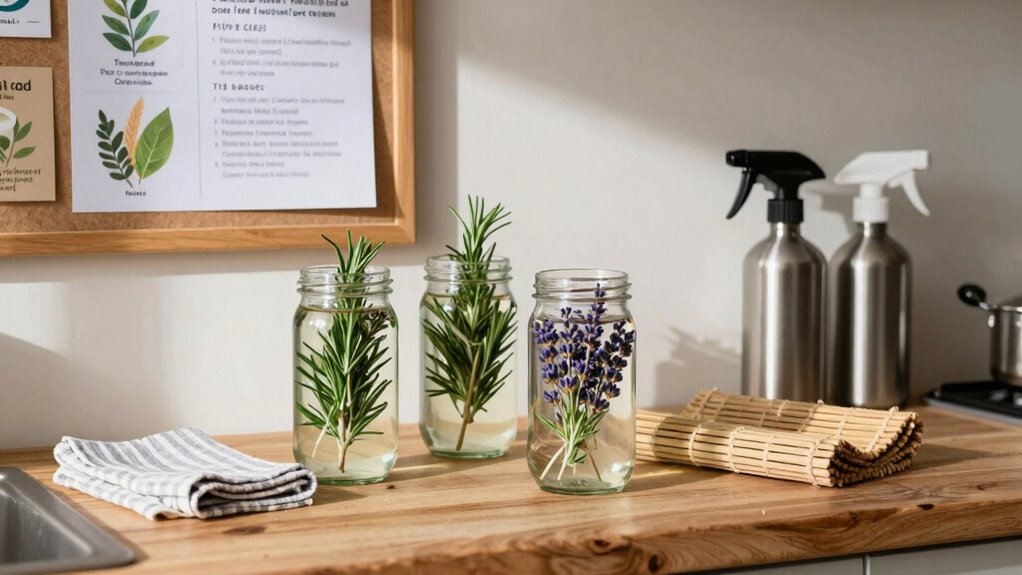
Are you unsure where to find resources and community support to make your cleaning routine more eco-friendly? Start by exploring local eco groups in your community. These groups often host workshops, share tips, and provide product recommendations tailored to your area. Additionally, online sustainability forums are valuable for connecting with others on the same journey. You can ask questions, exchange ideas, and discover new eco-friendly cleaning products or techniques. Many communities also have social media pages dedicated to sustainable living, which can be a great source of inspiration and support. By tapping into these resources, you’ll gain practical advice and encouragement, making your shift to a low-waste cleaning routine smoother and more enjoyable.
Start Your Sustainable Cleaning Journey Today
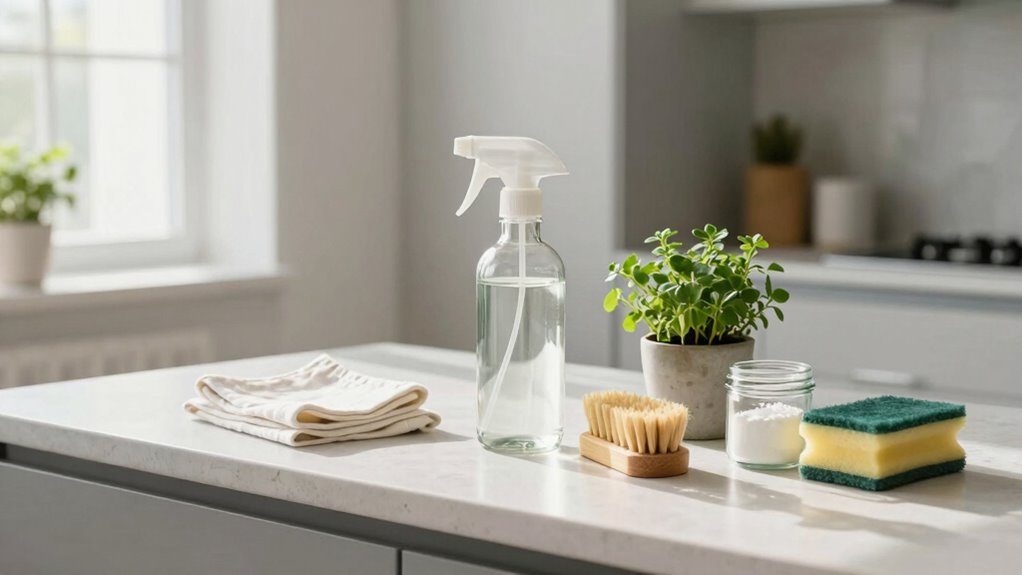
Starting your sustainable cleaning journey is easier than you might think. It begins with small, intentional steps that build momentum. Use natural ingredients like vinegar, baking soda, and lemon to create effective, eco-friendly cleaners. Establish a simple cleaning schedule to stay consistent and reduce waste. Visualize yourself:
- Wiping surfaces with reusable cloths instead of disposable wipes
- Filling glass spray bottles with homemade solutions
- Sweeping floors with a biodegradable broom
- Organizing cleaning tools for easy access
- Embracing a routine that minimizes chemical use and packaging waste
Frequently Asked Questions
How Can I Ensure My Cleaning Practices Are Truly Eco-Friendly?
To guarantee your cleaning practices are truly eco-friendly, choose products with biodegradable ingredients that break down naturally, minimizing environmental impact. Opt for brands that prioritize packaging sustainability, such as refillable containers or minimal, recyclable packaging. Avoid harsh chemicals and support local or eco-conscious companies. By being mindful of ingredient sources and packaging, you actively reduce waste and protect the planet, making your cleaning routine both effective and environmentally responsible.
What Are the Most Cost-Effective Low-Waste Cleaning Options?
Think of your cleaning supplies as a garden; choosing the right tools makes all the difference. Reusable cloths are your most cost-effective option—they cut down on waste and last for years. Vinegar-based cleaners are budget-friendly, versatile, and effective for many surfaces. By switching to these, you save money, reduce waste, and maintain a clean home. It’s a simple, sustainable way to keep your space fresh and eco-friendly.
How Often Should I Replace My DIY Cleaning Supplies?
You should replace your DIY cleaning supplies when their ingredient shelf life expires or if they lose effectiveness. Typically, DIY substitutions like vinegar, baking soda, and essential oils last several months, but check each ingredient’s shelf life regularly. Make sure to store your supplies properly, and if you notice any changes in smell or consistency, it’s time for a fresh batch. Regular replacement keeps your routine both safe and effective.
Are There Any Health Risks With Homemade Cleaning Solutions?
You might wonder if homemade cleaning solutions pose health risks. Generally, they’re safer than commercial products, but you should prioritize chemical safety by using natural ingredients and avoid harmful substances. Always label your ingredients clearly to prevent accidental misuse, especially around children or pets. Be cautious with strong acids or bleach, and research each ingredient’s safety. Proper ingredient labeling helps guarantee safe handling and reduces potential health risks.
How Can I Encourage Family Members to Adopt Low-Waste Cleaning Habits?
Encourage family involvement by making cleaning a shared responsibility, turning it into a team effort. Praise their efforts and highlight the benefits of low-waste habits, like saving money and protecting the environment. Establish clear routines and set small, achievable goals to foster habit formation. Lead by example and involve everyone in choosing eco-friendly products, making low-waste cleaning part of your family’s daily habits.
Conclusion
By choosing eco-friendly cleaning, you embrace a future where less waste means more health—for your home and the planet. It’s about balancing the simplicity of natural ingredients with the complexity of sustainable habits. While traditional products promise quick fixes, your mindful routines create lasting change. Remember, small choices today can lead to a cleaner, greener tomorrow—where the beauty of a clutter-free space reflects your commitment to a healthier world, even amid the chaos.
Halloween Picks
halloween
As an affiliate, we earn on qualifying purchases.