
TL;DR
Vietnamese workers are crucial to Japan’s manufacturing and industrial sectors, providing vital skills and labor. However, experts warn that AI advancements, rising costs, and visa restrictions threaten this dynamic in the long term. The situation underscores the complex interdependence and future risks for both economies.
Vietnam’s workforce has become essential to Japan’s economy, with Vietnamese technical trainees and skilled workers supporting Japan’s manufacturing sector, according to a recent report by ABeam Consulting. However, experts warn that rising artificial intelligence (AI) risks, escalating costs, and visa policy hurdles threaten this reliance in the long term.
Vietnam has increasingly supplied Japanese companies with skilled labor, especially in manufacturing and technical roles. ABeam Consulting reports that Vietnamese workers are valued for their skills, language ability, and adaptability, making them a key component of Japan’s industrial supply chain.
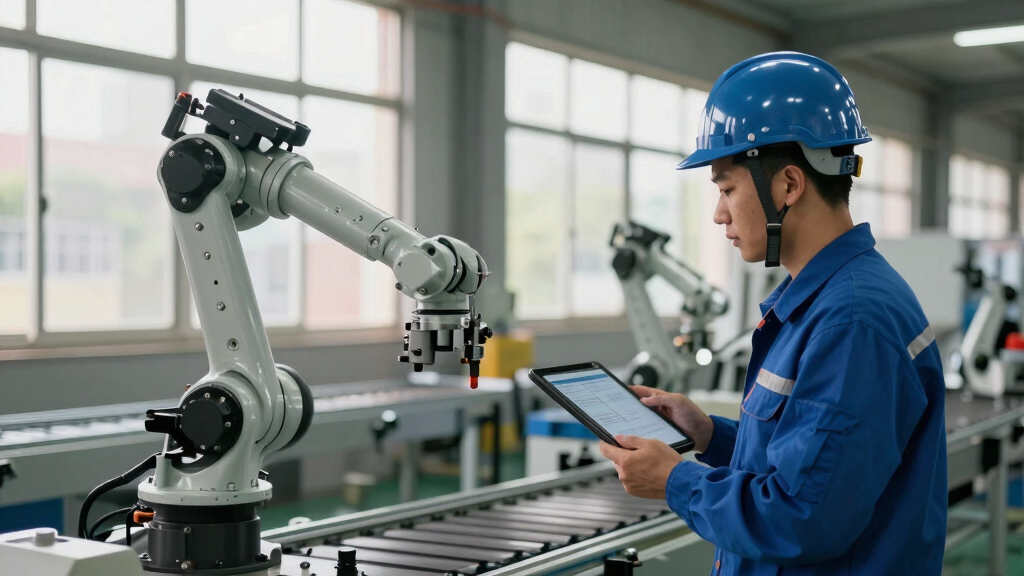
Despite this, there are growing concerns about long-term sustainability. The report highlights that rising labor costs in Vietnam and Japan’s tightening visa policies could limit the flow of Vietnamese workers into Japan. Additionally, advances in AI and automation threaten to reduce the demand for manual labor, potentially impacting the Vietnamese workforce that supports Japanese industries.
Why It Matters
This situation matters because Vietnam’s workers are a critical element in Japan’s manufacturing resilience amid demographic challenges, such as aging populations and shrinking domestic labor pools. The potential decline in Vietnamese labor supply or automation adoption could disrupt supply chains and economic stability for Japanese companies, with broader implications for regional economic interdependence.
Vietnamese skilled worker safety gear
As an affiliate, we earn on qualifying purchases.
As an affiliate, we earn on qualifying purchases.
Background
Over the past decade, Vietnam has emerged as a key source of skilled labor for Japan, especially in sectors like electronics, automotive, and machinery manufacturing. This trend has been driven by Vietnam’s improving education system, language skills, and government policies encouraging foreign investment. However, as of 2025, Japan has begun tightening visa regulations, citing concerns over border control and labor market management. Simultaneously, AI and robotics technologies are rapidly advancing, raising fears of automation replacing manual jobs.
“Vietnamese workers have become indispensable to Japan’s manufacturing sector, but the long-term outlook is uncertain due to rising costs and technological shifts.”
— Takashi Saito, senior analyst at ABeam Consulting
“Vietnamese workers are highly valued now, but visa restrictions and automation could significantly impact future employment opportunities.”
— Nguyen Van Anh, Vietnamese industry analyst
AI automation in manufacturing equipment
As an affiliate, we earn on qualifying purchases.
As an affiliate, we earn on qualifying purchases.
What Remains Unclear
It remains unclear how quickly automation and AI will replace manual labor in Japanese industries and whether visa policies will relax or tighten further. The exact scale of future Vietnamese workforce reductions or shifts is still uncertain, as is the impact of potential policy changes.
Japanese visa application guide for workers
As an affiliate, we earn on qualifying purchases.
As an affiliate, we earn on qualifying purchases.
What’s Next
Next steps include monitoring Japan’s visa policy developments, technological adoption rates in manufacturing, and Vietnam’s workforce training initiatives. Further reports from industry and government sources are expected in the coming months to clarify these trends.
Vietnamese language learning books for professionals
As an affiliate, we earn on qualifying purchases.
As an affiliate, we earn on qualifying purchases.
Key Questions
How significant is Vietnam’s role in Japan’s current manufacturing sector?
Vietnamese workers are now essential to many Japanese manufacturing plants, especially in electronics, automotive, and machinery sectors, providing skilled labor that supports production and supply chains.
What are the main risks facing Vietnamese workers supporting Japan?
The primary risks include rising labor costs in Vietnam, stricter visa policies in Japan, and the rapid advancement of AI and automation that could reduce demand for manual labor.
Could AI and automation fully replace Vietnamese workers in Japan?
While automation is advancing quickly, it is not yet clear if it will fully replace Vietnamese workers across all sectors. The pace and scope of technological adoption remain uncertain.
What is the impact of visa restrictions on Vietnamese workers in Japan?
Visa restrictions could limit the number of Vietnamese workers able to enter or stay in Japan, potentially reducing the workforce available to Japanese companies and impacting their operations.
What are Vietnam’s plans to address these challenges?
Vietnam is investing in workforce training and education to improve skills and adapt to technological changes, but policy adjustments in Japan will also play a crucial role.