
TL;DR

Get the latest gadgets delivered free with Prime
- Fast, free delivery on millions of items
- Prime Video, Amazon Music and more included
- Member-only deals all year
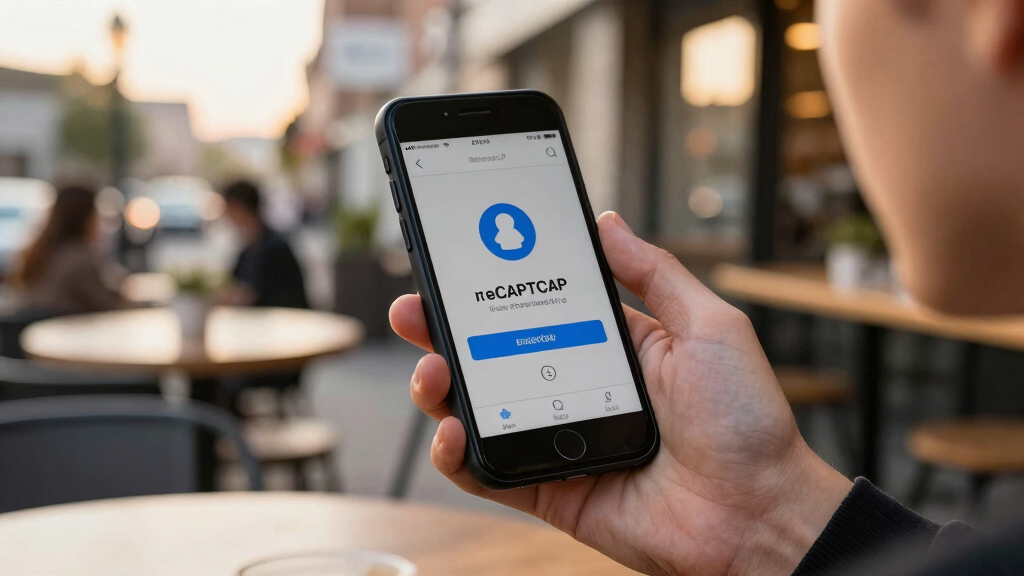
Google’s new reCAPTCHA update now requires Google Play Services or Apple iOS to verify users, effectively blocking de-Googled Android phones. Privacy advocates criticize this move as anti-competitive and harmful to privacy-focused users.
Google’s latest reCAPTCHA update now requires users to scan a QR code that mandates Google Play Services or Apple iOS, effectively excluding users of de-Googled Android phones, such as those running GrapheneOS or CalyxOS. Privacy advocates argue this move restricts access for privacy-conscious users and raises anti-competition concerns.
The update, branded as “Cloud Fraud Defense,” was announced by Google in late April and introduces a QR code-based verification process. This process demands that devices have Google Play Services version 25.41.30 or higher or iOS version 15.0 or higher, according to Google’s official specifications.
GrapheneOS and other privacy-focused operating system teams have stated that this requirement effectively locks out users of de-Googled devices, as these systems do not include Google Play Services or Apple’s iOS. The GrapheneOS team highlighted that the move would impact not only mobile but potentially desktop platforms, as the verification process is tied to device certification.
Why It Matters
This development matters because it restricts access to web services for users who prioritize privacy and control over their devices. Critics argue that requiring Google or Apple services for basic verification enforces monopolistic control over web access and diminishes user freedom. The move could marginalize privacy-focused users and stifle competition by favoring certified, proprietary hardware.
As an affiliate, we earn on qualifying purchases.
Background
In 2023, Google proposed a similar system called “Web Environment Integrity (WEI),” which aimed to restrict web access based on device authenticity. Widespread public and standards body pushback led Google to abandon WEI, but now the company appears to have reintroduced a comparable system behind a QR code interface.
Privacy advocates, including the GrapheneOS team and cybersecurity experts, have criticized these moves, arguing they serve Google’s monopolistic interests rather than genuine security concerns. Notably, the move coincides with broader industry debates over device certification and platform control.
“Requiring people to have an Apple device or Google-certified Android device is anti-competition, not security.”
— GrapheneOS team spokesperson
“Google now treats privacy as suspicious behavior by default.”
— Jameson Lopp, Bitcoin security researcher
“Google’s security excuse is clearly bogus when they permit devices with no patches for ten years… It’s for enforcing their monopolies via GMS licensing.”
— Brendan Eich, CEO of Brave browser
de-Googled Android device security
As an affiliate, we earn on qualifying purchases.
As an affiliate, we earn on qualifying purchases.
What Remains Unclear
It remains unclear how widespread the adoption of this verification process will be across different platforms and whether future updates might relax or tighten these requirements. The full scope of its impact on desktop and other non-certified devices is still developing.
As an affiliate, we earn on qualifying purchases.
What’s Next
Next steps include monitoring whether Google expands this verification requirement to more platforms and how privacy advocates respond. Regulatory scrutiny or legal challenges could emerge if the move is deemed anti-competitive or harmful to user rights.
privacy-centric mobile operating system
As an affiliate, we earn on qualifying purchases.
As an affiliate, we earn on qualifying purchases.
Key Questions
Does this update affect all devices?
Currently, the update primarily impacts mobile devices with Google Play Services or iOS devices. However, it could extend to desktops if the verification process is adopted more broadly.
Can de-Googled phones still access Google services?
No, devices without Google Play Services or equivalent Apple iOS cannot pass the verification QR code, effectively blocking access to certain services requiring reCAPTCHA.
Why is Google implementing this verification now?
Google states the update aims to improve security and fraud prevention. Critics argue it is primarily a move to enforce platform control and limit competition.
Are there alternatives for privacy-focused users?
Some privacy-conscious users may avoid services requiring these verifications or seek alternative verification methods, but widespread restrictions remain a concern.
Halloween Picks
halloween
As an affiliate, we earn on qualifying purchases.