TL;DR
Tesla has publicly disclosed 17 robotaxi crashes from July 2025 to March 2026, with at least two incidents involving remote human operators driving the vehicles. The details highlight ongoing safety and operational challenges in Tesla’s autonomous vehicle efforts.
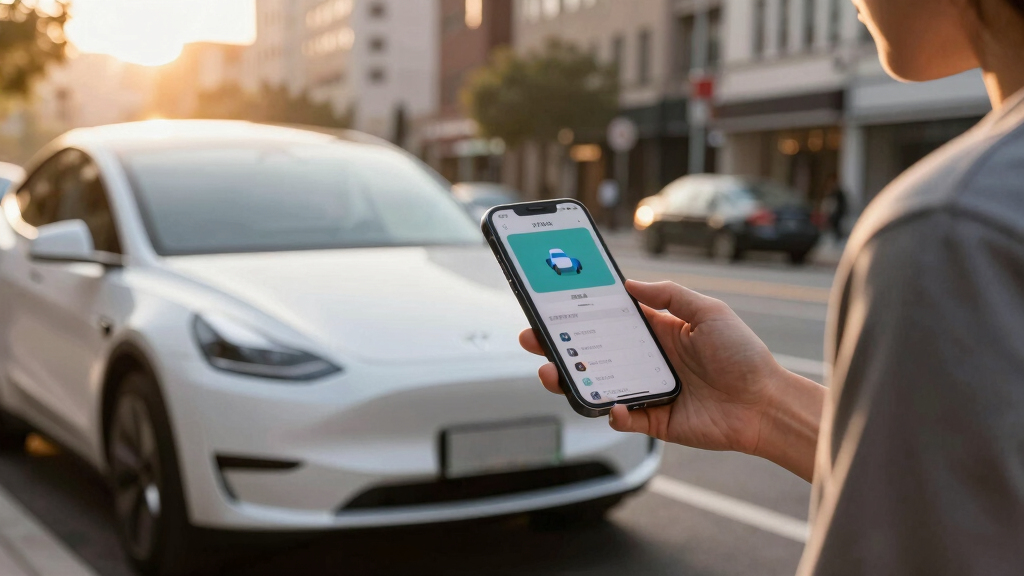
Tesla has publicly disclosed details of 17 robotaxi crashes occurring between July 2025 and March 2026, including two incidents in Austin where remote human operators appeared to have controlled the vehicles during the crashes. These disclosures mark a rare public reveal of safety incidents involving Tesla’s autonomous vehicle fleet and highlight the role of remote drivers in Tesla’s robotaxi operations.

Get the latest gadgets delivered free with Prime
- Fast, free delivery on millions of items
- Prime Video, Amazon Music and more included
- Member-only deals all year
The new disclosures come from a federal crash database, which Tesla updated after over a year of withholding detailed incident reports. Among the 17 incidents, two in Austin involved safety monitors in the passenger seats who, during the crash, appeared to have been remotely controlling the vehicles. Both incidents occurred at speeds below 10 mph, with the first in July 2025 involving a curb and fence collision, and the second in January 2026 involving a construction barricade.
In the July incident, the safety monitor sustained minor injuries after the remote driver drove the Tesla up a curb at 8 mph, after the vehicle stopped and would not move forward. Tesla stated the monitor was not hospitalized. The January incident involved a remote driver taking control after a navigation request and driving into a temporary barricade at 9 mph; no injuries were reported in this case.
Why It Matters
This development underscores the critical role of human oversight in Tesla’s autonomous vehicle operations, especially as the company’s robotaxi service expands. The incidents raise questions about the safety and effectiveness of remote drivers, particularly in complex or unexpected situations, and highlight ongoing safety concerns in the autonomous vehicle industry.
For regulators and the public, these disclosures could influence future safety standards and oversight requirements for autonomous vehicle deployment, especially for companies with active remote intervention practices.
Products Worth Considering

Samsung 27-Inch Odyssey G5 QHD Gaming Monitor (G51F)

DJI Mic 2 Wireless Microphone System with 2 Transmitters, 1 Receiver, and Charging Case

LG UltraGear 34-Inch Curved QHD Gaming Monitor, 160Hz, FreeSync Premium
As an affiliate, we earn on qualifying purchases.
Background
Tesla’s robotaxi service has been operating in Austin, Dallas, and Houston since April 2025, but with limited fleet size—fewer than 100 vehicles overall. The service’s growth has been slower than competitors like Waymo, which operates nearly 4,000 vehicles. Tesla’s approach involves frequent use of remote safety monitors who can directly control the vehicles, unlike other companies that typically only allow remote input at low speeds or in training modes.
Previous safety advocates have expressed concerns about remote driving, citing challenges such as cellular connectivity and the need for real-time situational awareness. Tesla’s disclosures now bring more attention to these issues, especially as the company’s self-driving ambitions are tied to Elon Musk’s broader vision for autonomous robotics and a potential $1 trillion valuation by 2035.
Additionally, the federal crash database, maintained by NHTSA, now includes these incidents, though it remains unclear why Tesla’s recent disclosures were added or whether regulatory scrutiny will increase as a result.
“The new details raise questions about what the teleoperator can see in both coverage and resolution, and what kind of latency they are experiencing while driving.”
— Noah Goodall, independent researcher
“Tesla did not respond to request for comment.”
— Tesla, via statement to WIRED
What Remains Unclear
It is still unclear how frequently remote drivers are controlling Tesla’s robotaxis outside of these reported incidents, or how these incidents compare to overall safety performance. The full scope of Tesla’s safety protocols and the extent of remote intervention remain undisclosed. Additionally, the impact of these disclosures on regulatory oversight and public trust is still developing.
What’s Next
Regulators, including NHTSA, are likely to scrutinize Tesla’s remote driving practices more closely. Tesla may face increased regulatory requirements or safety audits. The company’s ongoing expansion of its robotaxi fleet and technological improvements will be closely watched, with future incident reports and safety updates expected as the fleet grows.
Key Questions
Why are remote drivers used in Tesla’s robotaxi fleet?
Remote drivers serve as safety monitors who can intervene if the vehicle encounters complex or unexpected situations that the autonomous system cannot handle independently.
Are Tesla’s remote driving incidents common compared to other companies?
It is not yet clear how common these incidents are relative to Tesla’s total fleet or compared to other companies like Waymo, which typically limit remote intervention to low speeds or training scenarios.
What safety concerns do these incidents raise?
The incidents highlight potential issues with remote control latency, situational awareness, and the safety of remote intervention methods in autonomous vehicle operations.
Will these disclosures affect Tesla’s regulatory standing?
While it is uncertain, increased transparency could lead to closer regulatory scrutiny, possible new safety mandates, or changes in how autonomous vehicle operations are overseen in the US.