
TL;DR
The US Department of Justice has issued subpoenas to Apple, Google, Amazon, and Walmart seeking data on over 100,000 users of EZ Lynk’s Auto Agent app. The case centers on allegations that the app enables emissions bypass on diesel vehicles. The companies are preparing to challenge the subpoenas, raising privacy concerns.
The U.S. Department of Justice has subpoenaed Apple, Google, Amazon, and Walmart for data on over 100,000 users of EZ Lynk’s Auto Agent app, as part of a legal investigation into whether the app was used to bypass vehicle emissions controls. This marks a significant escalation in the DOJ’s efforts to enforce environmental regulations and scrutinize digital tools used for vehicle modifications.
The DOJ’s subpoenas, issued in March and April 2026, seek names, addresses, phone numbers, and purchase histories related to the app and its associated hardware. The investigation stems from a lawsuit filed in 2021 against EZ Lynk, a Cayman Islands-based company, accused of violating the Clean Air Act by marketing software that enables users to disable emissions controls on diesel vehicles.
EZ Lynk denies the allegations, stating its products are primarily for legitimate vehicle diagnostics, performance monitoring, and software updates. The government, however, claims that evidence from online forums and social media suggests some users employed the app to disable emissions systems, prompting the subpoenas.
Legal representatives for EZ Lynk argue that the broad data requests constitute overreach and raise Fourth Amendment issues, asserting that the government does not need to identify every user to pursue its case. Apple and Google are reportedly preparing to challenge the subpoenas, citing privacy concerns and the scope of the demand.
Why It Matters
This case underscores the growing tension between digital privacy rights and government enforcement efforts, especially in areas like vehicle modification and environmental regulation. The potential collection of personal data from over 100,000 users could set a precedent for how app store data is used in regulatory investigations, impacting consumers’ privacy and rights to modify their vehicles.
For car enthusiasts and the right-to-repair community, the case highlights ongoing debates about the legality and ethics of vehicle modifications, especially those that may bypass emissions controls. The outcome could influence future enforcement actions and the extent to which app data can be used to identify individual users involved in vehicle tuning activities.

ANCEL AD310 Classic Enhanced Universal OBD II Scanner Car Engine Fault Code Reader CAN Diagnostic Scan Tool, Read and Clear Error Codes for 1996 or Newer OBD2 Protocol Vehicle (Black)
- Diagnoses Check Engine Light: Easily identify cause of check engine light
- Reads and Clears Codes: Quickly diagnose and reset error codes
- Live Data & Freeze Frame: View real-time data and snapshot info
As an affiliate, we earn on qualifying purchases.
As an affiliate, we earn on qualifying purchases.
Background
The legal battle began with a 2021 lawsuit against EZ Lynk, which markets hardware and software for vehicle diagnostics and tuning. The company claims its products are for legitimate purposes, but the DOJ alleges they are used to circumvent emissions laws. Previous cases have seen government requests for app data, but the scale of this request—potentially over 100,000 users—is unprecedented.
In 2025, EZ Lynk unsuccessfully attempted to invoke Section 230 immunity to shield itself from liability, with a judge ruling against the company, allowing the case to proceed. The current subpoenas reflect increased government focus on digital footprints related to vehicle modifications and emissions compliance.
“The government’s broad data requests go far beyond what’s necessary and infringe on users’ Fourth Amendment rights.”
— EZ Lynk’s legal team
“This case could set a significant precedent for how digital data from app stores is used in regulatory enforcement, especially concerning vehicle modifications.”
— Legal analyst
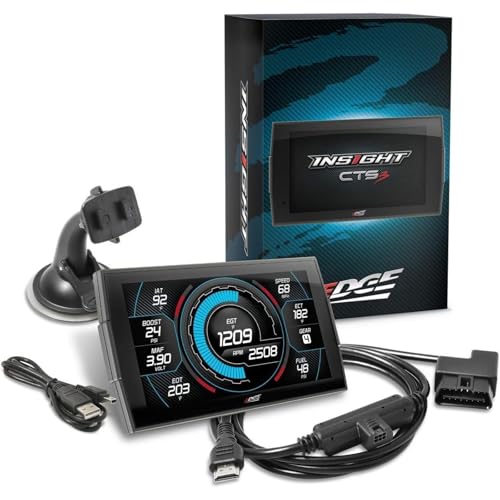
Edge 84130-3 Insight CTS3
- CARB EO Certification: Not required
- Advanced 3rd Generation Design: Faster and more capable
- Easy Plug-and-Play Installation: No wiring needed
As an affiliate, we earn on qualifying purchases.
As an affiliate, we earn on qualifying purchases.
What Remains Unclear
It remains unclear whether Apple, Google, Amazon, and Walmart will successfully challenge the subpoenas or if the government will narrow its data requests. The legal proceedings are ongoing, and the outcome could influence future privacy and enforcement policies.

MPPS V21 ECU Programmer, OBD2 Car Engine Tuning Tool with Main + TRICORE + MULTIBOOT, No Usage Restrictions, Compatible with EDC15 EDC16 EDC17 ME7 MED9 Series
- Upgraded V21, No Usage Restrictions: Permanent full function access for all users
- 3-in-1 ECU Programming: Supports read, write, verify, checksum correction
- Built-in MAIN, TRICORE, MULTIBOOT: No extra BDM programmer needed
As an affiliate, we earn on qualifying purchases.
As an affiliate, we earn on qualifying purchases.
What’s Next
Next steps include court hearings on the validity of the subpoenas, possible legal challenges from the involved companies, and further judicial decisions that could define the scope of digital privacy in regulatory investigations. The case’s resolution may take months or longer, with potential appeals.

UMEIJA OBD2 Scanner with Upgrade Battery Tester – Diagnostic Tool for Cars That Check Engine Light & Emissions Readiness Read and Clears Vehicle Error Codes for All OBD II Protocol Vehicles Since 1996
- Multi-Function Diagnostic Tool: Reads and clears engine error codes
- Live Data & Freeze Frame: Displays real-time data with graphics
- Vehicle Readiness & Info: Checks MIL status and vehicle info
As an affiliate, we earn on qualifying purchases.
As an affiliate, we earn on qualifying purchases.
Key Questions
Why is the DOJ interested in this app and its users?
The DOJ aims to investigate whether the app was used to disable emissions controls, violating environmental laws like the Clean Air Act.
What are the privacy concerns related to these subpoenas?
Privacy advocates and the companies involved argue that broad data requests could infringe on user privacy and constitutional rights, especially since many users may have downloaded the app for legitimate diagnostics.
Could this case impact other vehicle tuning apps?
Yes, the case could set a legal precedent affecting how digital data related to vehicle modifications is handled and used in enforcement actions.
What happens if the companies challenge the subpoenas?
The companies may file motions to quash or limit the subpoenas, leading to court rulings that could restrict or uphold the government’s access to user data.
When will a final decision be made?
It is not yet clear; legal proceedings are ongoing, and a final ruling could take months or longer depending on appeals and judicial review.