
TL;DR

Get the latest gadgets delivered free — and shop member deals
- Fast, free delivery on millions of items
- Access to Prime Big Deal Days deals on October 6–7
- Prime Video, Amazon Music and more included
Mikron has begun selling collectible framed test wafers with embedded chips, including Russian-designed processors, as limited-edition souvenirs. The wafers can contain up to 120,000 chips, depending on the design. This development highlights Russia’s ongoing semiconductor efforts amid international restrictions.
Russia’s Mikron has begun selling limited-edition framed test wafers featuring embedded processors, including Russian-designed chips such as the AMUR MIK32, as souvenirs. The product line, which includes designs with up to 120,000 chips per wafer, highlights Russia’s ongoing efforts to showcase its semiconductor capabilities amid international restrictions.
According to Mikron, a Russian semiconductor manufacturer, the wafers are 200mm in diameter and are sold as collectible souvenirs. The wafers are presented in various decorative frames, with designs ranging from simple black or white to themed patterns like space or lace. Each wafer can contain between 30 and 120,000 chips, depending on the design, with some featuring chips used in Russian infrastructure, such as transport card processors for the Moscow Metro.
The wafers are marketed as ‘techno exclusive’ and include inscriptions indicating they are made in Russia, with the phrase ‘Silicon wafer with integrated circuits.’ The product descriptions emphasize their role in the microcircuit production process, serving as quality control samples used throughout manufacturing stages.
Why It Matters
This initiative underscores Russia’s efforts to maintain a presence in the semiconductor industry despite international sanctions and restrictions. By selling these wafers as souvenirs, Mikron demonstrates both technical capability and national pride in its microelectronics sector. The limited-edition nature of these products may appeal to collectors and tech enthusiasts, but also signals Russia’s desire to project technological independence.
While the wafers contain actual chips, their primary purpose remains as collectible items rather than functional electronics. Nonetheless, they serve as a visual testament to Russia’s ongoing semiconductor production and research efforts, which are increasingly important amid global supply chain disruptions.
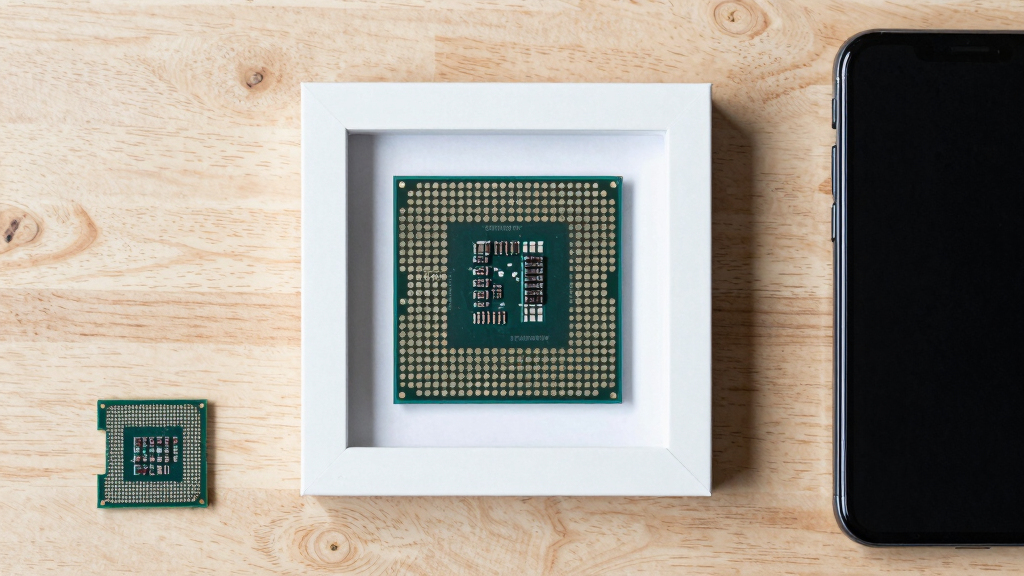
collectible silicon wafer with embedded chips
As an affiliate, we earn on qualifying purchases.
As an affiliate, we earn on qualifying purchases.
Background
Russia’s Mikron, based in Zelenograd, has been developing its semiconductor capabilities, including the production of Russian-designed processors like the AMUR MIK32 since 2022. The company has announced plans to release a new iteration, the MIK32-2, indicating ongoing development. These efforts are part of Russia’s broader strategy to reduce reliance on foreign semiconductor supplies amid Western sanctions.
The sale of test wafers as souvenirs is a novel approach, likely aimed at both showcasing Mikron’s technical achievements and generating additional revenue. Previously, Mikron has focused on producing chips for military, aerospace, and infrastructure applications, but this product line is a departure into consumer-facing memorabilia.
“These test wafers are a symbol of Russia’s microelectronics capabilities and are now available as collectible souvenirs for enthusiasts and supporters.”
— Mikron spokesperson
“Some wafers feature Russian chips like the AMUR MIK32, and the company is preparing to release a new RISC-V chip, indicating ongoing development.”
— Dmitrii Kuznetsov, tech enthusiast
As an affiliate, we earn on qualifying purchases.
What Remains Unclear
It remains unclear how many wafers have been sold or the precise demand among collectors. The commercial success of these souvenirs and their impact on Mikron’s broader business strategy are still uncertain. Additionally, the technical specifications and actual functionality of the embedded chips are not detailed, and whether these wafers could be repurposed for other uses is unknown.
microelectronics collector display
As an affiliate, we earn on qualifying purchases.
As an affiliate, we earn on qualifying purchases.
What’s Next
Next steps include Mikron’s potential release of the MIK32-2 processor, which may be featured on future souvenir wafers. Monitoring sales figures and collector interest will provide insight into the market reception. Further, Mikron may expand its souvenir line or integrate these wafers into promotional or educational initiatives to bolster its image domestically and internationally.
As an affiliate, we earn on qualifying purchases.
Key Questions
Are these wafers functional electronic components?
Primarily, these wafers are produced as test samples and souvenirs; they are not intended for functional electronic use but do contain embedded chips, including Russian-designed processors.
How many chips can each wafer contain?
Depending on the design, each wafer can contain between 30,000 and 120,000 chips, with some featuring chips used in Russian infrastructure projects.
Why is Mikron selling these wafers as souvenirs?
The company aims to showcase its technological capabilities and promote national pride amid ongoing sanctions, while also creating a niche collectible market.
Are these wafers available internationally?
Availability appears limited to the Russian market or through specific collectors; there is no indication of widespread international distribution.
Halloween Picks
halloween
As an affiliate, we earn on qualifying purchases.