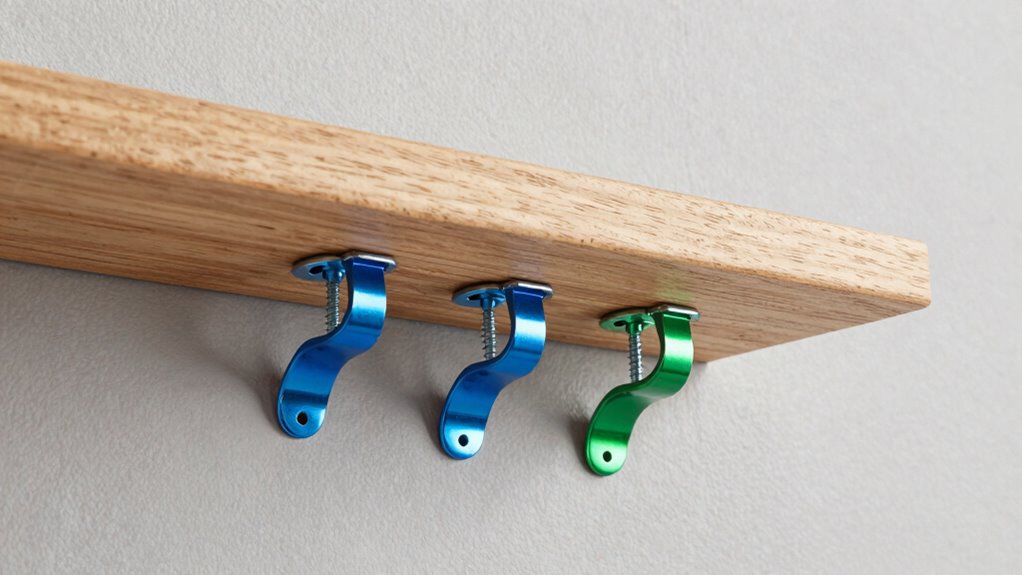

Proper wall anchors are key to keeping your shelves secure and preventing them from falling. They work by distributing weight evenly and reinforcing the wall’s support, especially when mounting on drywall or hollow surfaces. Choosing the right anchor depends on your wall type, shelf weight, and installation needs. Using incorrect anchors or improper techniques can lead to loose shelves or damage. Keep going to discover how to select, install, and maintain anchors for safety and stability.

Get the latest gadgets delivered free — and shop member deals
- Fast, free delivery on millions of items
- Access to Prime Big Deal Days deals on October 6–7
- Prime Video, Amazon Music and more included
Key Takeaways
- Wall anchors distribute weight evenly and prevent screws from pulling out, ensuring shelves stay securely mounted.
- Proper selection of wall anchors depends on wall material and load requirements for optimal safety.
- Common types include plastic expansion anchors, Molly bolts, and toggle bolts, each suited for specific wall types and weights.
- Correct installation involves drilling precise holes, inserting anchors firmly, and tightening screws securely to avoid failure.
- Regularly inspect for signs of looseness or wall damage, and replace faulty anchors to maintain shelf stability.
drywall wall anchors for shelves
As an affiliate, we earn on qualifying purchases.
As an affiliate, we earn on qualifying purchases.
Why Do Shelves Fall Off? Common Wall Mounting Problems
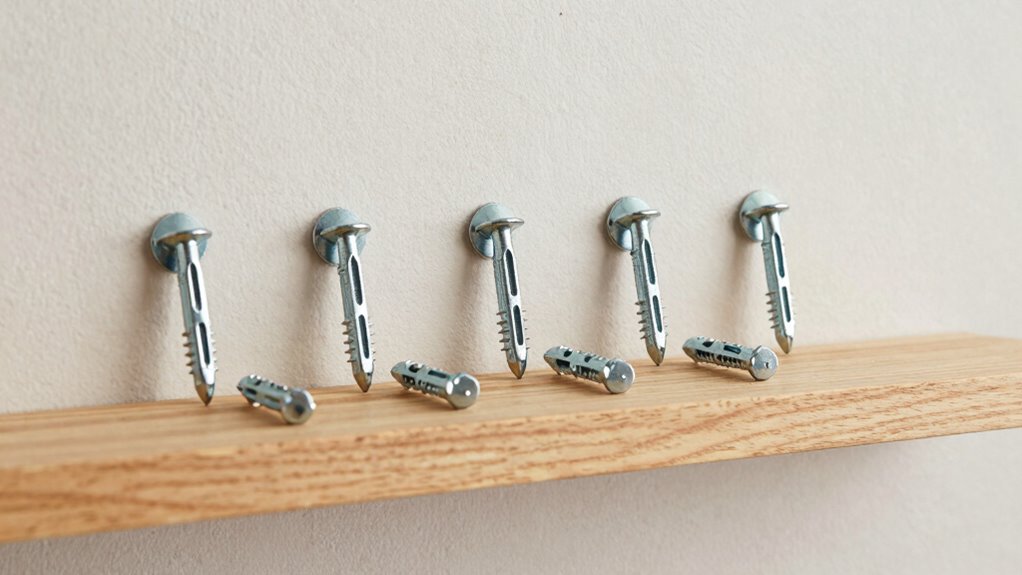
Shelves often fall off because of improper wall mounting or the use of inadequate hardware. One common mistake is not using proper mounting techniques, which can weaken the support. If you fail to identify wall studs correctly, your brackets won’t have enough stability, making shelves prone to falling. Wall stud identification is vital because attaching brackets directly into studs provides the strongest hold. Many people rely on drywall anchors when they should be locating studs first. Without proper hardware or correct mounting techniques, your shelves won’t withstand daily use or weight. To prevent accidents, take the time to locate studs accurately and follow best practices for mounting. Using appropriate hardware and techniques is essential to ensure your shelves stay secure and reduces the risk of them falling off over time. Proper wall protection is essential to ensure safety and durability in your shelving setup. Additionally, understanding the importance of wall anchor types can help you select the right hardware for your specific wall material and weight requirements. Properly securing shelves also involves understanding load capacity, which ensures you don’t overload and cause failure over time. Recognizing the correct installation procedures can further enhance the stability of your shelving.
As an affiliate, we earn on qualifying purchases.
What Are Wall Anchors and Why Are They Important?

Have you ever wondered how to securely hang items on your wall without risking a fall? Wall anchors are essential tools that provide extra support, especially when attaching shelves or heavy objects to drywall or hollow walls. They work by distributing weight more evenly and anchoring into the wall material, preventing screws from pulling out. Using the right wall anchor is a vital DIY tip to guarantee safety and stability. Proper installation techniques are crucial to ensure that the anchors perform effectively and safely. Ensuring you select the correct wall anchor type based on your wall material and weight requirements enhances safety and stability. Safety precautions include selecting the proper type of anchor for your wall type and weight load, as well as following installation instructions carefully. Without wall anchors, your items are at risk of falling, which could cause damage or injury. Understanding their importance helps you create a safer, more reliable hanging system for your home. Frühwarnzeichen Für Brustkrebs Entdecken can also be crucial for early detection and prevention in health contexts. Additionally, choosing the correct wall anchor type based on your wall material and weight requirements enhances safety and stability. Properly assessing wall material ensures that you select the most effective and secure anchor for your project.
molly bolts for drywall mounting
As an affiliate, we earn on qualifying purchases.
As an affiliate, we earn on qualifying purchases.
Which Wall Anchor Is Best for Your Shelf? Key Factors to Consider
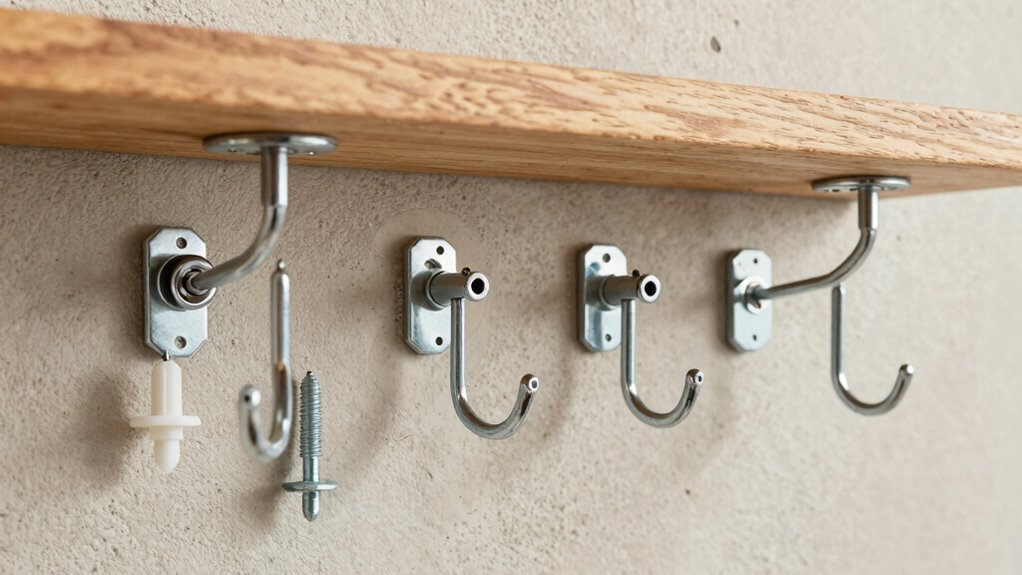
Choosing the right wall anchor depends on your wall material, so make certain it’s compatible with your surface. You also need to take into account the load capacity to guarantee your shelf stays secure over time. Additionally, select an anchor that’s easy for you to install without hassle. For added safety, always verify that the wall anchor is rated for your specific home products to ensure proper support and stability. Understanding contrast ratio can help you choose anchors that better withstand environmental changes affecting wall materials. Being aware of Rhythm Failure can also inform your choice if you are considering aesthetic or thematic coordination in your space design. Considering the power output of electric bikes can sometimes influence how you plan your storage and display of related accessories or models. Moreover, knowing about Feature Buddies can assist in selecting the most reliable anchors suited for various household needs.
Wall Material Compatibility
The type of wall material you’re working with plays a crucial role in selecting the right anchor for your shelf. For a stud wall, you’ll want to use anchors that can securely grip the wood framing, such as toggle bolts or lag bolts, to guarantee stability. When mounting on brick, choose masonry anchors designed specifically for brick mounting, like expansion anchors or sleeve anchors, which provide a firm hold. Drywall walls often require different anchors, such as plastic expansion anchors or Molly bolts. Always consider the material’s density and structure to avoid damage or failure. Using the correct anchor for each wall type ensures your shelf stays secure without risk of falling or causing damage. Proper compatibility is key to a safe, sturdy installation. Additionally, understanding the wall material compatibility helps in selecting the most appropriate anchors for long-term durability. Knowing the appropriate fastening methods for each wall type can further improve your installation’s strength and safety.
Load Capacity Limits
Selecting the right wall anchor depends heavily on the weight your shelf needs to support. To guarantee safety, you must consider the anchor strength and weight limits of each type. Heavy-duty anchors, like toggle bolts or sleeve anchors, offer higher weight limits and are suitable for heavier loads. Light-duty anchors, such as plastic expansion anchors, have lower anchor strength and are best for lighter items. Always check the manufacturer’s specifications for maximum load capacity, and avoid exceeding these limits. Overloading an anchor can lead to failure and damage. If you’re unsure, opt for anchors with higher weight limits to provide extra security. Properly matching your wall anchors to your shelf’s weight ensures stability and prevents accidents.
Ease of Installation
When it comes to installing wall anchors, ease of use can make a big difference in guaranteeing a quick and frustration-free process. Choosing the right wall anchor depends on how easily you can work with tools like a drill and screwdriver. Start by selecting a drill bit that matches the anchor’s size to create a clean, precise hole. Using the correct drill bit length guarantees the hole is deep enough for the anchor but not too deep, making installation smoother. Pay attention to screw length, ensuring it’s appropriate for the anchor and the shelf’s weight. Some anchors require less effort, such as toggle or self-drilling anchors, which often don’t need pre-drilled holes. Overall, simplicity in installation can save time and reduce mistakes. Additionally, understanding the installation process can help you select an anchor that aligns with your skill level and tools. For beginners, choosing anchors with easy-to-follow instructions can further streamline the setup.
As an affiliate, we earn on qualifying purchases.
What Are the Different Types of Wall Anchors? Pros and Cons
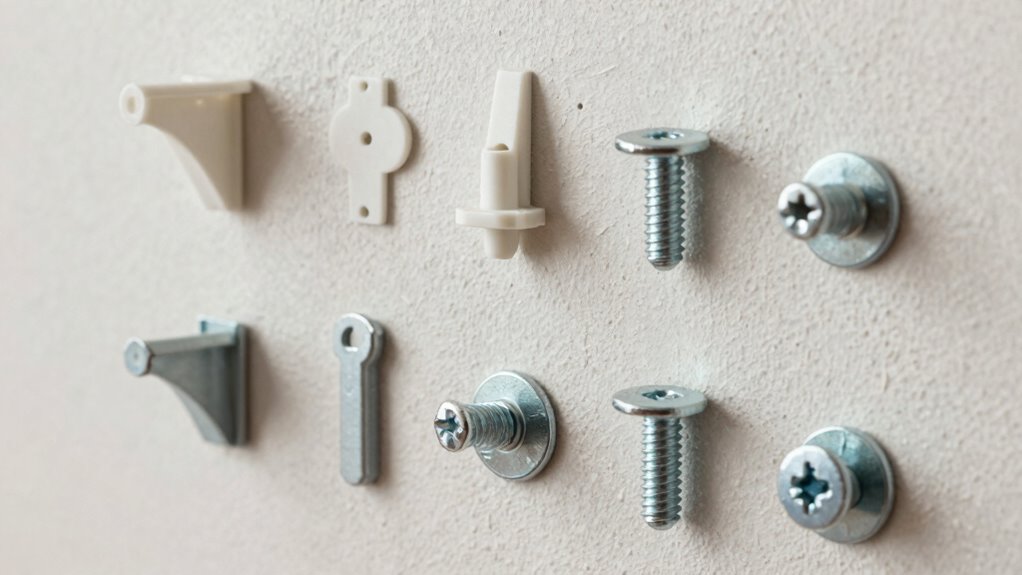
Understanding the different types of wall anchors is essential for choosing the right one for your project. There are various types of fasteners designed for specific wall materials and load requirements. Toggle anchors are strong and ideal for hollow walls, but they can be tricky to install. Plastic expansion anchors are simple and inexpensive, perfect for light loads but less durable for heavier items. Molly bolts provide a secure hold in drywall and can be reused, though they require a bit more effort during installation. Metal screw anchors are versatile and handle heavier loads, but they tend to be more expensive. Each type has unique installation techniques—some require drilling, others need screwing or expansion. Picking the right anchor depends on your wall type, weight, and ease of installation. Additionally, understanding the seasons and Milky Way shooting can help you plan your projects effectively, especially if you’re mounting outdoor fixtures or cameras. Moreover, considering the wall material and environmental conditions can ensure your chosen anchor performs optimally over time. Proper selection and installation of wall anchors is crucial for preventing damage, as well as for ensuring safety and durability. Being aware of wall thickness and structure can also influence your choice, helping to prevent mishaps during installation. To further enhance your project’s success, consider seasonal weather patterns and how they might affect outdoor wall fixtures or anchors.
How Do You Install Wall Anchors Step by Step? A Simple Guide
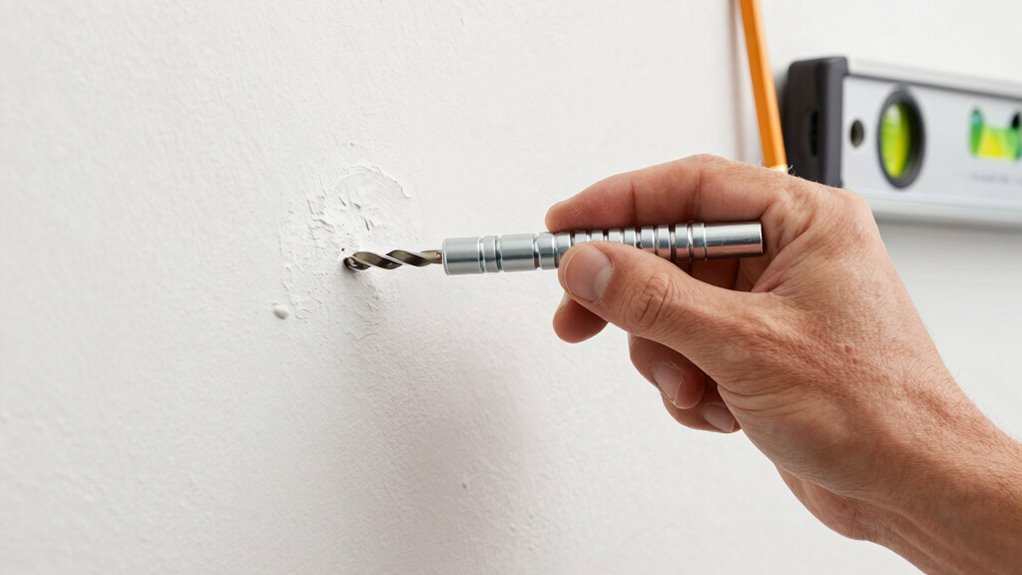
Installing wall anchors correctly guarantees your fixtures stay secure and your wall remains undamaged. To do this, start by selecting the right anchor for your wall type and weight load. Then, mark the spot where you want to install. Use a drill with precision to make a clean hole—this guarantees easy insertion and proper holding. Next, insert the anchor into the hole, tapping it gently if needed. Finally, screw into the anchor until firmly secured. Remember, choosing the correct anchor type and drill precision are key to success. Understanding aviation regulations can also be crucial when undertaking any installation project, ensuring compliance and safety. Additionally, being aware of environmental considerations helps promote sustainable practices during your project.
How Can You Tell If Your Wall Anchor Is Failing? Warning Signs
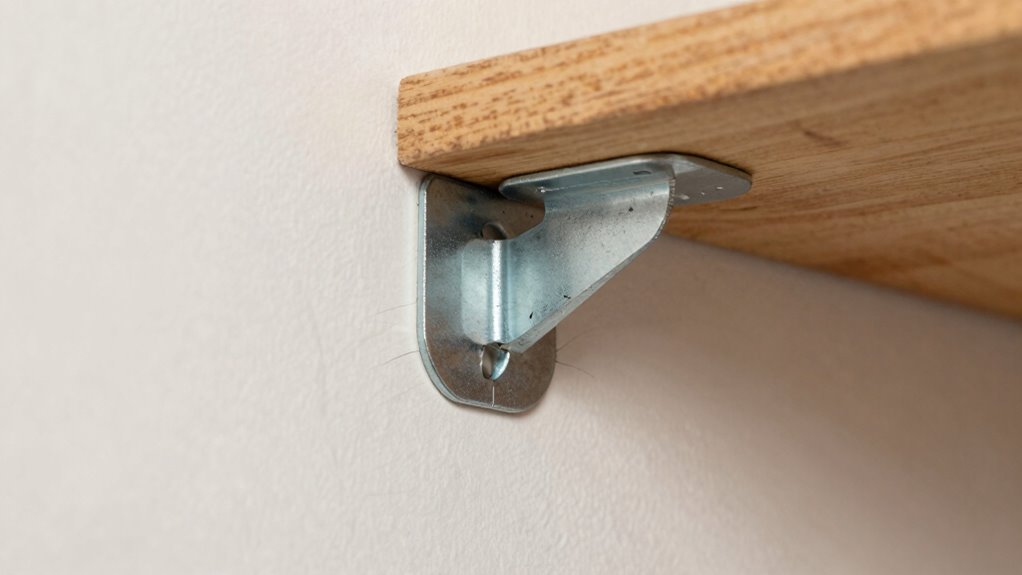
If your shelves feel loose or wobble when you touch them, it might be a sign your wall anchor is failing. You should also watch for cracks or damage on the wall around the anchor area, which can indicate instability. Recognizing these warning signs early helps prevent further damage or accidents.
Loose or Wobbly Shelves
Loose or wobbly shelves are a clear sign that your wall anchor may be failing. When shelf stability diminishes, it indicates that the wall reinforcement isn’t holding as it should. You might notice your shelves shift or sway when you put weight on them. This instability can lead to shelves falling or causing damage. To assess, gently push or pull the shelf—if it moves easily, your wall anchor may be compromised. Additionally, listen for creaking sounds or see if the shelf tilts unexpectedly. These signs suggest it’s time to check and replace your wall anchors. Ensuring proper wall reinforcement helps maintain shelf stability and prevents accidents. Addressing loose or wobbly shelves quickly keeps your setup safe and secure.
Cracks or Wall Damage
Cracks or visible damage on your wall are clear signs that your wall anchor may be failing. Wall cracks, especially around the area where the anchor is installed, indicate stress or shifting within the wall. Wall damage, such as peeling paint, bulges, or crumbling plaster near the anchor point, also suggests issues. If you notice small cracks spreading or expanding over time, it’s a warning that the anchor isn’t holding properly. These signs can weaken the wall’s integrity and cause shelves or fixtures to become unstable. Addressing wall damage early helps prevent further deterioration and potential safety hazards. Regularly inspecting your walls for cracks and damage guarantees you catch problems before they worsen, keeping your shelves secure and your wall intact.
How to Remove and Replace Wall Anchors Safely
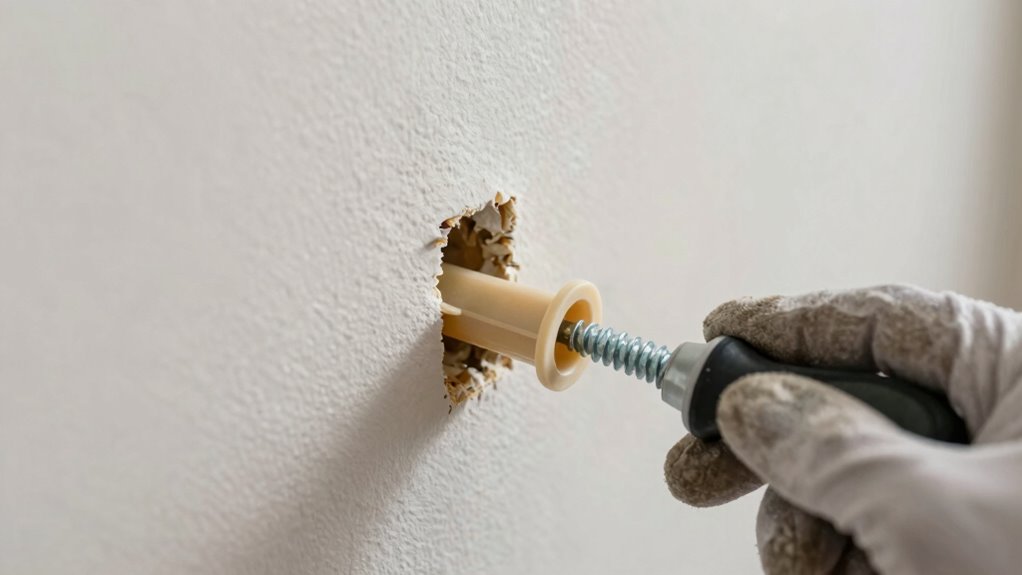
Removing and replacing wall anchors safely requires careful attention to prevent damage to your wall and make certain a secure hold for your new fixtures. Start by gently removing the item attached to the anchor, then use the appropriate tools—like pliers or a screwdriver—to carefully extract the anchor without widening the hole. If needed, patch and sand the area before installing a new anchor. Remember, proper decorating tips can help hide small imperfections, and cleaning tips are essential for maintaining your wall’s appearance.
- Use the right tools for each anchor type
- Patch and repaint small holes before installing new anchors
- Keep your workspace clean for safer, easier removal
When Should You Call a Professional for Heavy-Duty Wall Mounts?
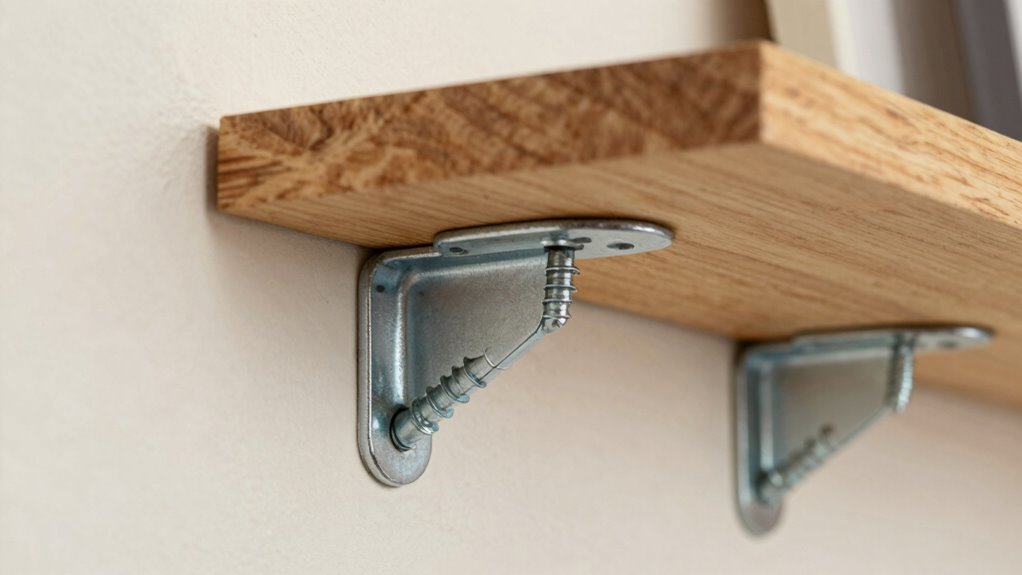
When installing heavy-duty wall mounts, recognizing your limits is vital to guarantee safety and stability. If you’re unsure about the wall type, unsure of the weight capacity, or uncomfortable with tools and measurements, it’s best to call a professional. DIY tips can help with lighter or standard mounts, but heavy-duty installations often require specialized tools and skills. Safety precautions are essential—improper anchoring can lead to falling shelves or damaged walls. If you encounter complex wall structures, such as plaster or drywall with hidden wiring, don’t risk damaging your space or injuring yourself. Hiring a professional ensures proper installation, peace of mind, and durability. Trust experts when the project exceeds your comfort zone or technical expertise.
Frequently Asked Questions
Can Wall Anchors Support Heavy or Bulky Shelves?
Yes, wall anchors can support heavy or bulky shelves if you choose ones with a high weight capacity. Make sure to follow proper installation methods, such as drilling into studs or using appropriate anchors for drywall or masonry. Properly installed anchors distribute weight evenly, preventing shelves from falling. Always check the manufacturer’s specified weight limits before hanging your shelves, and use the right anchors for your wall type to guarantee safety and stability.
Are There Specific Wall Anchors for Different Wall Materials?
Yes, you should choose specific wall anchors based on your wall material. For drywall types, use drywall anchors designed for weight and thickness; for masonry, opt for masonry anchors that grip concrete or brick securely. Using the right anchors guarantees your shelves stay safely mounted. Always check the manufacturer’s recommendations to match the anchor type with your wall material, preventing damage and ensuring strong support.
How Long Do Wall Anchors Typically Last Before Failing?
Wall anchors typically last between 5 to 10 years, depending on their material and usage. Anchor durability varies with factors like load, wall type, and environmental conditions, which can shorten their lifespan. Over time, they may weaken, crack, or loosen, risking your shelves falling. To guarantee safety, regularly inspect your anchors and replace them if you notice any signs of wear or damage, extending their material lifespan.
Can You Install Wall Anchors Without Tools?
Installing wall anchors without tools is nearly impossible because DIY installation requires at least a screwdriver or drill. You’ll need these tools to insert and secure the anchors properly, ensuring they hold like a champion. Skipping tools isn’t realistic since they’re essential for tightening and anchoring. So, don’t even think about going tool-free; your shelves deserve a solid, secure attachment made with the right tools for the job.
Are There Eco-Friendly or Reusable Wall Anchor Options?
Yes, eco-friendly options exist. You can choose biodegradable wall anchors made from natural materials that break down safely over time, reducing environmental impact. Reusable fasteners are another great choice, allowing you to remove and reuse the anchors without damaging your walls. These options help you hang your shelves sustainably, supporting eco-conscious living while maintaining the functionality of your wall fixtures.
Conclusion
Properly installed wall anchors can hold up to 80 pounds, keeping your shelves secure and your belongings safe. Remember, choosing the right anchor and following installation steps can prevent frustrating falls. If you ever notice wobbling or cracking, don’t ignore it—these signs mean your wall anchor might be failing. For heavy-duty mounts, calling a professional ensures safety and peace of mind. Keep your shelves secure and your home damage-free with the right wall anchors!
Fall Picks
fall essentials
As an affiliate, we earn on qualifying purchases.