
TL;DR

Get the latest gadgets delivered free with Prime
- Fast, free delivery on millions of items
- Prime Video, Amazon Music and more included
- Member-only deals all year
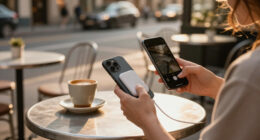
A novel smartphone app uses guided lighting and camera technology to objectively measure tooth shade, bringing dentist-level accuracy to home whitening routines. This development could transform consumer oral care by providing reliable progress tracking and personalized product advice.
A new smartphone-based shade scoring system has demonstrated the ability to match dentist-level accuracy in measuring tooth color at home. This technology, still in testing, aims to provide consumers with an objective way to track whitening progress, reducing reliance on subjective visual assessments. The development is significant because it could improve the effectiveness and personalization of over-the-counter whitening products, potentially transforming the home dental care market.
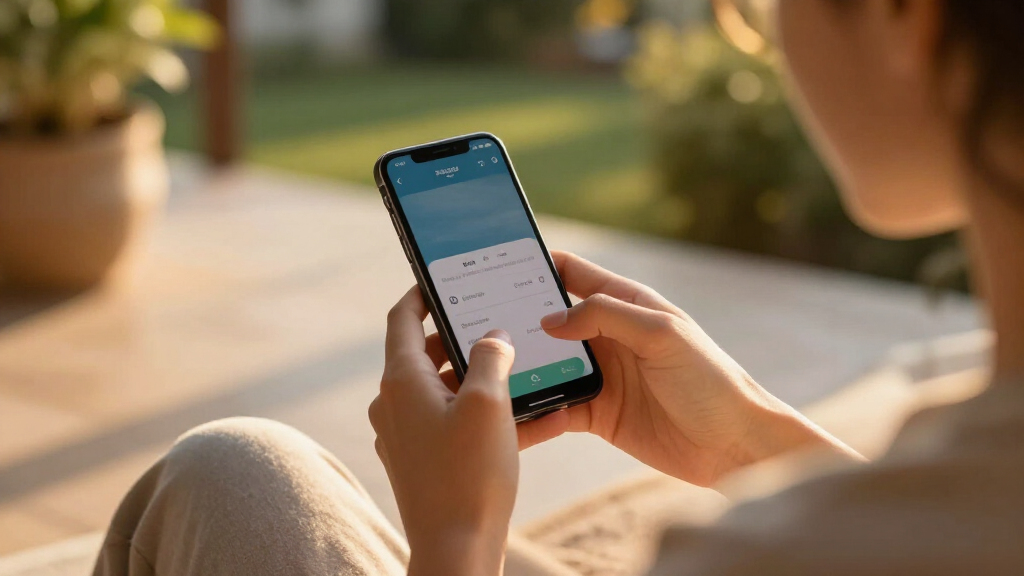
The system uses guided lighting and a calibrated photo flow within a mobile app to capture images of the user’s teeth. These images are then analyzed against a standardized dental shade scale, such as the VITA scale used by professionals. According to initial tests, the app’s shade scores show a strong correlation with dentist readings across fifty users, validating its potential as an objective measurement tool.
Developers aim to create a minimal viable product (MVP) that not only scores tooth color but also tracks changes over time, plots progress, and recommends products based on individual results. Revenue models include subscriptions for ongoing tracking and affiliate commissions on proven whitening products. The market focus is on consumer oral care and beauty technology, where product churn is high and objective measurement is lacking.
While early results are promising, further validation is necessary to confirm accuracy across diverse populations and lighting conditions. The developers plan to expand testing and refine the app to ensure consistency and reliability before broader rollout.
Potential Impact on Home Whitening Effectiveness
This innovation could significantly improve consumer confidence and results in home teeth whitening. By providing an objective measure of shade change, users can better understand which products are effective for them, reducing blind trial-and-error cycles that often lead to frustration and wasted money. Dentists have long used calibrated shade guides to assess whitening progress; bringing similar precision to home routines bridges a critical gap in consumer oral care.
Moreover, this technology could foster more personalized product recommendations, enhancing user satisfaction and encouraging product innovation. As the market for over-the-counter whitening expands, a reliable measurement tool could become a standard feature, elevating the quality and transparency of at-home dental treatments.
teeth whitening shade matching app
As an affiliate, we earn on qualifying purchases.
As an affiliate, we earn on qualifying purchases.
Advances in Smartphone Technology and Market Drivers
Recent improvements in smartphone camera quality, combined with sophisticated guided-lighting techniques, have made it feasible to capture accurate color data of teeth in home environments. Historically, objective shade measurement required expensive equipment and professional calibration, limiting its use outside dental clinics.
The rising popularity of at-home whitening products, alongside a large and growing consumer market, has created a demand for better progress tracking tools. Currently, most users rely on subjective visual assessments, which are prone to error and vary widely among individuals. The development of an app that can reliably measure shade change addresses this unmet need, aligning with trends toward personalized, data-driven health and beauty solutions.
Initial validation studies, such as those conducted by IdeaNavigator AI, show promising correlations with professional dental readings, paving the way for wider adoption. The technology’s success could influence other areas of consumer health tech, where objective measurement remains a challenge.
“The strong correlation between app scores and dentist readings indicates that smartphone-based shade measurement is feasible and reliable enough for consumer use.”
— an anonymous researcher
As an affiliate, we earn on qualifying purchases.
Validation Across Diverse Users and Conditions
While initial tests show promising results, it remains unclear how well the app performs across a broader and more diverse population, including different skin tones, lighting environments, and tooth conditions. Further large-scale validation studies are needed to confirm consistency and accuracy before commercial deployment.
Additionally, the impact of user error in capturing images and variations in smartphone camera quality could influence reliability. Researchers are still assessing these factors and working to optimize the app’s robustness under real-world conditions.
smartphone teeth whitening progress tracker
As an affiliate, we earn on qualifying purchases.
As an affiliate, we earn on qualifying purchases.
Next Steps for Validation and Market Introduction
The development team plans to expand testing with a larger, more diverse user base and compare results against professional dental shade measurements. They aim to refine the app’s algorithms and guided-lighting system to improve accuracy and ease of use.
Pending successful validation, the app could enter a pilot phase for consumer testing, followed by broader commercial release. Ongoing research will focus on integrating personalized recommendations and tracking long-term whitening progress.
As an affiliate, we earn on qualifying purchases.
Key Questions
How accurate is the smartphone shade scoring compared to dentist readings?
Initial validation shows a strong correlation between app scores and dentist VITA readings across fifty users, suggesting accuracy comparable to professional assessments. However, further testing is needed for confirmation across wider populations.
Can this technology help me choose the best whitening product?
Yes, the app aims to track your tooth shade objectively over time, helping you identify which products effectively whiten your teeth and providing personalized recommendations based on your progress.
Is the technology ready for everyday use?
The system is still in development, with validation ongoing. It is not yet available for general consumers but shows promise for future commercial release after further testing.
What are the limitations of using a phone camera for shade measurement?
Factors such as lighting conditions, camera quality, and user technique can influence accuracy. Developers are working to mitigate these issues through guided lighting and calibration features.
Will this app be compatible with all smartphones?
The goal is to develop a universally compatible app, but initial versions may work best on recent smartphones with high-quality cameras. Compatibility details will be clarified as the app progresses.
Source: IdeaNavigator AI
Columbus Day / Indigenous Peoples' Day Picks
long weekend sales
As an affiliate, we earn on qualifying purchases.