TL;DR
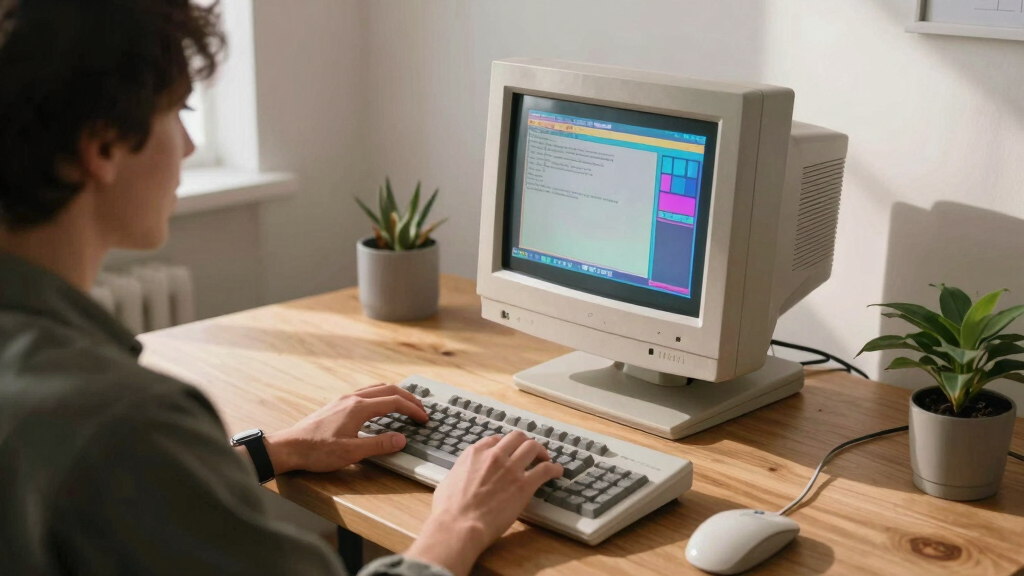
Recent online sharing of screenshots from early desktop operating systems showcases the visual and functional design of computing interfaces from the 1980s and 1990s. These images offer a glimpse into the evolution of graphical user interfaces and software development. The event highlights the historical significance of OS design but details about the source and context remain limited.
Online platforms have recently shared a collection of screenshots from early desktop operating systems, dating from the 1980s and 1990s. These images, sourced from historical archives and digital collections, reveal the visual design and user interface concepts of pioneering software environments, providing a rare visual record of computing history.
The collection includes images from systems such as VisiCorp Visi On from 1983, SunOS SunTools desktops from 1984, HP-UX Integral PC from 1985, and early versions of GEM Desktop and GEM Draw for IBM PCs. It also features screenshots of Acorn Archimedes’ Arthur desktop, Amiga Digi-Paint, DEC VAXstation software, and early Windows and OS/2 interfaces from the late 1980s.
These images have been shared across online forums, notably Hacker News, where users discuss their historical significance. The images have been line-doubled or resized to match display formats of their respective eras, and some show detailed graphical environments, application windows, and graphical user interface elements.
Why It Matters
This collection matters because it documents the visual and functional design of early graphical user interfaces, illustrating the technological and aesthetic evolution of personal computing. It offers insights into how early OS designers approached user experience and interface complexity, which influences modern UI development. For historians, developers, and enthusiasts, these images serve as valuable references for understanding the roots of contemporary operating systems.

SwissMicros DM41L RPN Calculator – HP 41CX Software, Grade 1 Titanium Casing, Alphanumeric Display, & USB-C Connectivity
- Layout: Horizontal Voyager layout for stability
- Casing: Grade 1 titanium for durability
- Display: Alphanumeric dot-matrix screen
As an affiliate, we earn on qualifying purchases.
As an affiliate, we earn on qualifying purchases.
Background
These screenshots originate from a variety of systems developed throughout the 1980s and early 1990s, a period marked by rapid innovation in personal computing. Systems like Visi On represented some of the first attempts at graphical interfaces, while others like GEM and SunTools reflect the diversification of OS environments before Windows and macOS became dominant. The images are sourced from digital archives, user collections, and historical documentation, providing a visual timeline of interface design.
“Sharing these vintage OS screenshots helps us appreciate how far graphical interfaces have come and the design choices early developers made.”
— Hacker News user
“These images are a window into the pioneering days of graphical user interfaces, showcasing the experimental and often rudimentary designs that laid the groundwork for modern systems.”
— Computing historian

21Pcs Computer Science Classroom Posters Types of Bullying Poster Computer Lab Classroom Decor Bully Free Zone for Computer Lab Classroom Decor Chalkboard Middle School Teacher Supplies(Computer)
- Package Includes: 21 posters and adhesive dots
- Design Theme: Bright, calming, educational posters
- Poster Sizes: 7.85×7.85 inches and 13.78×9.25 inches
As an affiliate, we earn on qualifying purchases.
As an affiliate, we earn on qualifying purchases.
What Remains Unclear
It remains unclear who compiled or curated these specific collections of screenshots, or whether they are part of a larger digital archive. Details about the provenance of some images and their original sources are still emerging, and the extent of their historical context varies.

HelloWall 17.71"x 315" Black and White Wallpaper Removable Wallpaper Stick and Peel Vintage Video Cassette Tape Wall Paper Sticker Pull and Stick on Bedroom Accent Wall Contact Paper Renters Friendly
- Classic Black and White Design: Timeless retro 90s style wallpaper
- Roll Dimensions: 17.71 x 315 inches, approx 38.75 sq ft
- Removable and Peel-and-Stick: Easy to apply and remove without damage
As an affiliate, we earn on qualifying purchases.
As an affiliate, we earn on qualifying purchases.
What’s Next
Further analysis of these images by digital archivists and historians may provide deeper insights into their origins and significance. Additionally, efforts to digitize and preserve similar collections could enhance public understanding of computing history. Expect more discussions and potential exhibitions of vintage OS environments in the coming months.
User Interface Design and Evaluation (Interactive Technologies)
As an affiliate, we earn on qualifying purchases.
As an affiliate, we earn on qualifying purchases.
Key Questions
Where do these screenshots come from?
Many are sourced from online archives, user collections, and historical documentation shared on platforms like Hacker News. Specific origins are often uncertain, but they represent genuine early OS environments from the 1980s and 1990s.
Why are these images important?
They document the visual and functional design of early graphical user interfaces, illustrating the technological evolution that led to modern operating systems.
Are these screenshots authentic?
Yes, most images appear to be authentic screenshots from the original systems, though some have been resized or line-doubled for display purposes. Verification of each image’s provenance varies.
Will there be more collections like this?
It is likely, as digital preservation efforts continue and enthusiasts share more historical materials online. Future projects may focus on creating comprehensive archives of vintage computing environments.