
TL;DR

Get the latest gadgets delivered free — and shop member deals
- Fast, free delivery on millions of items
- Access to Prime Big Deal Days deals on October 6–7
- Prime Video, Amazon Music and more included
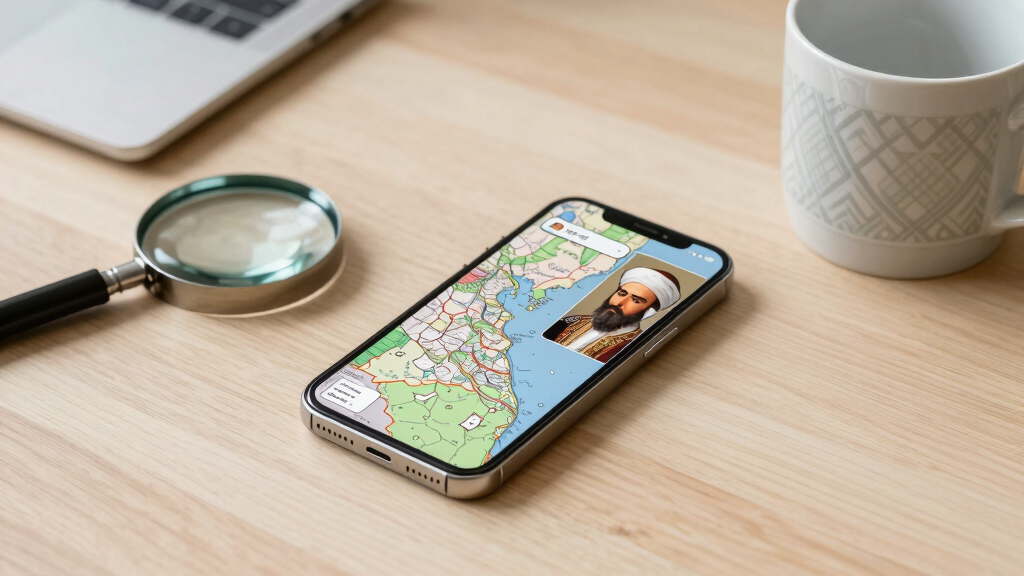
The Founding Fathers of the U.S. admired Hyder Ali and Tipu Sultan for their resistance against British imperialism. This fascination reflected shared anti-colonial sentiments, but their influence waned as Britain solidified control in India.
Historical records confirm that the Founding Fathers of the United States, including Thomas Jefferson and John Adams, expressed admiration for Hyder Ali and Tipu Sultan, Indian rulers who fiercely resisted British expansion in the 18th century. This fascination highlights a shared anti-colonial sentiment and interest in sovereignty during a period when Britain was consolidating its empire.
Thomas Jefferson and John Adams, among other American leaders, followed the struggles of Hyder Ali and his son Tipu Sultan against British forces during the mid to late 1700s. Hyder Ali became the Sultan of Mysore in the 1760s, leading a fierce resistance alliance with France, which temporarily held off British advances in South India. His son, Tipu Sultan, known as ‘the Tiger of Mysore,’ continued this resistance until his death in 1799 during the Fourth Anglo-Mysore War.
Historical documents and letters indicate that American revolutionaries viewed Hyder and Tipu as symbols of resistance against imperial domination. Their military tactics, such as the creation of automaton tigers and fierce guerrilla warfare, captured the imagination of contemporary observers. Despite this admiration, the British eventually subdued Mysore, and the region became part of the British Empire, diminishing the influence of these Indian rulers in global perceptions.
Why It Matters
This historical fascination underscores the ideological parallels between early American independence movements and anti-colonial struggles elsewhere. Recognizing the admiration for Hyder Ali and Tipu Sultan helps contextualize the broader global resistance against British imperialism and highlights shared values of sovereignty and resistance that influenced American founding principles.
historical books on Hyder Ali and Tipu Sultan
As an affiliate, we earn on qualifying purchases.
As an affiliate, we earn on qualifying purchases.
Background
During the 18th century, Britain was expanding its control over India through the East India Company, facing resistance from local rulers like Hyder Ali and Tipu Sultan. American colonists, engaged in their own fight for independence, followed these events with interest. The fall of Mysore marked the decline of Indian resistance to British rule, which would eventually dominate the subcontinent for nearly two centuries. The American Revolution, occurring in the same period, was partly inspired by similar ideas of resisting imperial control and asserting independence.
“Americans admired Hyder Ali and Tipu Sultan as symbols of resistance against imperial expansion, reflecting shared anti-colonial ideals.”
— Historian Blake Smith
“Tipu Sultan’s fierce resistance and his automaton tiger captured the imagination of contemporaries, symbolizing defiance.”
— PBS Origins documentary
anti-colonial resistance history documentaries
As an affiliate, we earn on qualifying purchases.
As an affiliate, we earn on qualifying purchases.
What Remains Unclear
It remains unclear how directly the admiration for Hyder and Tipu influenced specific American policies or founding documents. The extent of their impact on individual founders’ ideological development is still a subject of scholarly debate. Additionally, the reasons for the decline of this fascination within a generation are not fully understood.
American revolution and Indian resistance books
As an affiliate, we earn on qualifying purchases.
As an affiliate, we earn on qualifying purchases.
What’s Next
Future research may explore the extent of direct influence on American political thought and whether other colonial resistance figures held similar admiration among early U.S. leaders. Additionally, historians may investigate how this fascination shaped perceptions of imperialism and sovereignty in subsequent American foreign policy.
historical automaton tiger models
As an affiliate, we earn on qualifying purchases.
As an affiliate, we earn on qualifying purchases.
Key Questions
Why were the Founding Fathers interested in Hyder Ali and Tipu Sultan?
They admired their resistance against British expansion, which aligned with American ideals of fighting oppression and asserting independence.
Did Hyder Ali and Tipu Sultan influence American independence?
There is no direct evidence that they influenced specific policies, but their resistance symbolized broader anti-colonial sentiments shared by American revolutionaries.
Why did American interest in these Indian rulers decline?
As Britain solidified control over India, the initial admiration waned, and the focus shifted toward consolidating American sovereignty and expanding westward.
How did Tipu Sultan’s resistance tactics impact perceptions of colonial resistance?
His fierce resistance and symbolic acts, like automaton tigers, made him a legendary figure representing defiance against imperial power.
Evergreen bestsellers Picks
bestsellers
As an affiliate, we earn on qualifying purchases.