
TL;DR

Get the latest gadgets delivered free with Prime
- Fast, free delivery on millions of items
- Prime Video, Amazon Music and more included
- Member-only deals all year
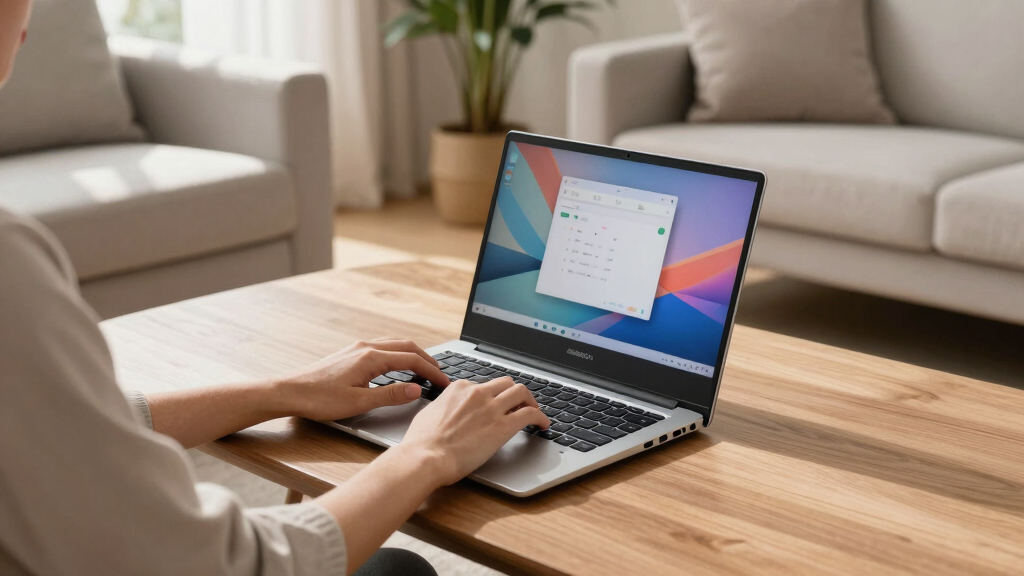
Chuwi has released the Minibook X, a 10.5-inch ultra-portable laptop with 16GB RAM and a 512GB SSD. It runs Linux well despite some hardware quirks, offering a budget-friendly option for lightweight computing. Its release highlights a niche for small, versatile devices in 2026.
The Chuwi Minibook X has been officially launched in 2026, offering a small, lightweight, x86_64-based laptop with 16GB RAM and a 512GB NVMe drive, aimed at users seeking portable computing options.
The Minibook X features a 10.5-inch 2K IPS display with a 16:10 aspect ratio, weighing just 912 grams. It is powered by an Intel N150 quad-core processor running at 3.6GHz, with 16GB of soldered LPDDR5 RAM and a 512GB NVMe SSD, which is user-upgradable. The device includes two USB-C ports, one supporting Power Delivery, and is bundled with a 12V/2A USB-C charger, though it works fine with standard PD chargers.
Running Linux, the Minibook X has been reported to operate smoothly, with support for camera, microphone, speakers, touchscreen, Wi-Fi 6, Bluetooth, and HDMI. However, users face hardware quirks, notably a screen rotation issue caused by the display panel being mounted sideways, which requires manual adjustments at various software layers, including bootloader, kernel parameters, and desktop environment configurations.
Why It Matters
The Minibook X exemplifies the potential for small, affordable, Linux-capable computers to fill niche markets in 2026, appealing to hobbyists, developers, and those needing a portable device for light tasks. Its release underscores ongoing interest in ultra-compact computing devices despite the decline of traditional netbooks, emphasizing versatility and experimentation in the Linux community.
Linux-compatible mini laptop 10.5 inch
As an affiliate, we earn on qualifying purchases.
As an affiliate, we earn on qualifying purchases.
Background
Netbooks, once popular in the late 2000s and early 2010s, largely disappeared due to the rise of tablets and ultrabooks. However, small form-factor devices like the Minibook X are now filling a gap for portable, inexpensive Linux-compatible hardware. The device’s specifications reflect modern expectations for budget laptops, with high RAM and storage, but its hardware quirks highlight ongoing challenges in hardware-software integration for small panels and unconventional form factors.
“The Minibook X is a budget machine, but in 2026, even budget devices pack more oomph than I need.”
— Hacker News user
“The screen rotation issue was a journey to fix, involving tweaking kernel parameters and display drivers.”
— Hacker News user
“Despite its flaws, I’m surprised by how well it performs for a sub-$400 laptop, and it’s fun to tinker with.”
— Hacker News user
portable ultralight laptop 16GB RAM
As an affiliate, we earn on qualifying purchases.
As an affiliate, we earn on qualifying purchases.
What Remains Unclear
Details about long-term hardware durability, official support, and software updates remain unclear. It is also uncertain how widespread the hardware quirks are across units, and whether future firmware updates will address the screen rotation issue more seamlessly.
As an affiliate, we earn on qualifying purchases.
What’s Next
Further reviews and user feedback are expected to emerge, potentially leading to firmware updates that improve hardware compatibility. Chuwi may release revised models or accessories to address current limitations, and the Linux community will likely continue refining support for the device.
As an affiliate, we earn on qualifying purchases.
Key Questions
Is the Chuwi Minibook X suitable for everyday use?
It is suitable for lightweight tasks such as browsing, document editing, and media consumption, but its hardware quirks and build quality limit its use as a primary device for demanding workloads.
Can I upgrade the RAM or storage on the Minibook X?
The RAM is soldered, so it cannot be upgraded. The 512GB NVMe SSD is upgradable, allowing for increased storage capacity if needed.
Does the device run Windows or Linux?
The Minibook X is primarily designed for Linux, and users report it runs Linux distributions like Debian and NixOS well, despite some hardware quirks.
What are the main hardware issues with the Minibook X?
The primary issue is the screen being mounted sideways, requiring manual rotation adjustments. The keyboard and touchpad are also considered subpar compared to modern laptops.
Source: Hacker News
Halloween Picks
halloween
As an affiliate, we earn on qualifying purchases.