TL;DR
Compact portable chargers pack a punch, offering 1-3 full smartphone charges in a tiny size. Advances like fast charging and USB-C make them more powerful and convenient than ever. Choosing the right one depends on capacity, speed, and portability needs.
Ever had your phone die mid-commute or during a hike? That tiny, slim power bank tucked into your pocket might be your best friend. Compact portable chargers are evolving fast, packing more juice into smaller sizes than you ever thought possible. They’re not just for tech geeks anymore—if you carry a smartphone, tablet, or wireless earbuds, a good portable charger is your secret weapon. In this guide, you’ll learn how these little giants work, what features matter most, and how to pick the perfect one for your life on the go.
Imagine walking through a bustling city street, your phone buzzing with notifications. Suddenly, the battery drops below 10%. A compact power bank slips out of your bag, and in minutes, your device springs back to life. It’s compact, reliable, and ready whenever you are. But with so many options out there, how do you choose the right one? This article breaks down everything you need to know—so you can stay connected, no matter where life takes you.
What Makes a Compact Portable Charger Actually Portable?
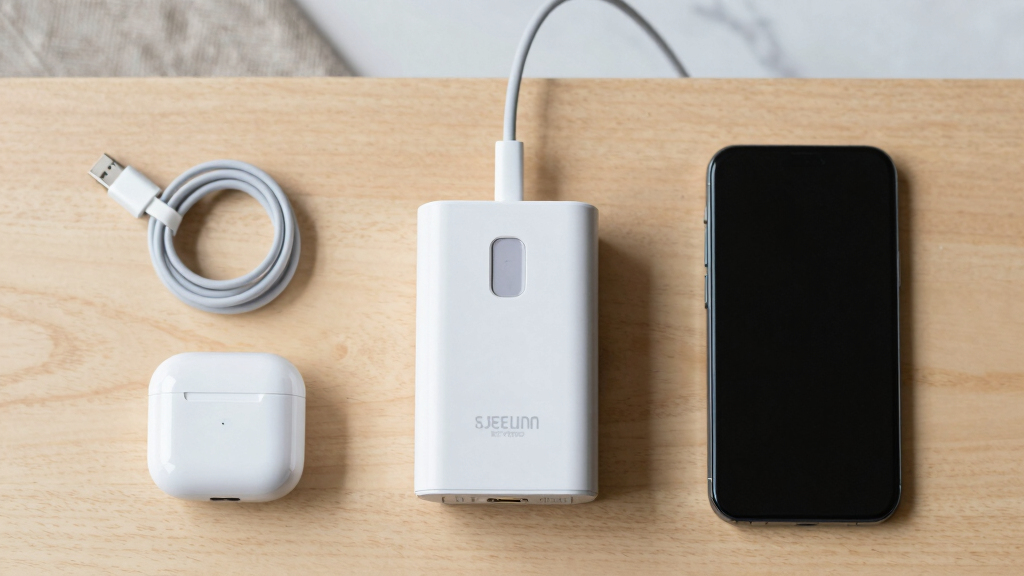
When we say “compact,” think of a power bank that’s small enough to fit into your pocket or wallet. The key is size and weight. A typical 10,000 mAh power bank is about the size of a smartphone, weighing around 200 grams. That’s light enough to toss into a jeans pocket or small bag. Imagine holding a smooth pebble—light and unobtrusive but packed with energy. It’s all about balancing capacity with portability.
For example, a rugged outdoor enthusiast might prefer a slightly bulkier model with water resistance, while a commuter wants something sleek that slips into a pocket. The goal? Maximize capacity without turning your pocket into a brick.
Why does this matter? Because the real challenge isn’t just in the size but in how you prioritize your needs. A smaller, lighter power bank is more convenient for daily carry, but it might sacrifice some capacity or features. Conversely, a slightly larger model could provide more power but at the cost of portability. Understanding this tradeoff helps you decide what balance is right for your lifestyle, ensuring you’re never caught without power but also not burdened by bulky gear.
compact 10000mAh portable charger
As an affiliate, we earn on qualifying purchases.
As an affiliate, we earn on qualifying purchases.
How Capacity Turns a Small Power Bank Into Your Everyday Hero
Capacity, measured in milliampere-hours (mAh), isn’t just a number; it’s a reflection of how much energy your power bank can store and deliver. The importance lies in understanding that higher capacity means more recharges, but also often results in increased size and weight. Why does this matter? Because your choice impacts your daily convenience and your device’s battery health.
For instance, a 5,000 mAh power bank might suffice for quick top-ups during the day, but if you’re traveling or outdoors, you’ll likely need something larger. A 10,000 mAh can provide multiple full charges, which can be a game-changer—keeping your phone alive during long excursions or power outages. However, larger capacity units tend to be heavier and less portable, so you’re faced with a tradeoff: Do you prioritize keeping your device alive at all costs, or do you prefer a lightweight solution that you can carry effortlessly?
Recent technological advances have allowed manufacturers to pack more power into smaller packages—15,000 mAh or even 20,000 mAh in a size comparable to a smartphone. This shift is significant because it expands what’s possible in a pocket-sized device, but it also raises questions about whether such high capacity units are worth the extra bulk or cost. Ultimately, understanding how capacity impacts real-world usage helps you choose a device that aligns with your priorities—whether that’s maximum power or maximum portability.
fast charging USB-C power bank
As an affiliate, we earn on qualifying purchases.
As an affiliate, we earn on qualifying purchases.
Fast Charging in Tiny Packages: Power Up in Half the Time
Fast charging standards like Power Delivery (PD) and Quick Charge (QC) aren’t just buzzwords—they fundamentally change how quickly your devices can recharge. Why does this matter? Because in a busy world, time is often the limiting factor. A small power bank supporting fast charging can turn a few minutes of power into hours of use, making it not just a convenience but a necessity.
For example, a 10,000 mAh power bank with Power Delivery can provide a quick boost, charging your compatible smartphone from 20% to 50% in under 30 minutes. This rapid top-up can be the difference between missing an important call or not. The tradeoff? Not all small power banks support fast charging, and those that do may be more expensive or slightly larger. Also, fast charging can generate more heat, which over time might affect device longevity if not managed properly. Recognizing these factors helps you decide whether the speed benefits outweigh potential downsides in your specific use case.
Understanding fast charging’s implications means you can optimize your device’s charging routine—saving time and maintaining battery health, provided you choose the right compatible devices and cables. The key is in balancing speed, safety, and convenience for your unique needs.
lightweight portable phone charger
As an affiliate, we earn on qualifying purchases.
As an affiliate, we earn on qualifying purchases.
Multiple Ports and Special Features—What to Look For
More ports mean more devices powered simultaneously, but this isn’t just about convenience; it’s about efficiency. Multiple USB ports, especially with different standards like USB-C supporting fast charging, allow you to optimize energy distribution based on your device’s needs. Why does this matter? Because in real-world scenarios, managing multiple devices efficiently can extend your power bank’s usefulness and reduce the number of chargers you need to carry.
For example, a traveler with a smartphone, wireless earbuds, and a smartwatch benefits from a power bank with multiple ports and wireless charging. But there’s a tradeoff—adding more features increases size, weight, and often cost. Rugged features like water resistance or shockproof cases boost durability but may add bulk. LED indicators help you monitor remaining power, preventing unexpected shutdowns. Recognizing what features enhance your experience and which add unnecessary bulk helps you make smarter choices tailored to your lifestyle.
In essence, the right combination of ports and features allows you to customize your power bank to your daily needs, ensuring you’re prepared without carrying unnecessary weight or expense.
water-resistant mini power bank
As an affiliate, we earn on qualifying purchases.
As an affiliate, we earn on qualifying purchases.
Conclusion
In conclusion, selecting the right compact portable charger boils down to understanding your specific needs and striking a balance between capacity, size, and features. Whether you’re a daily commuter, an outdoor adventurer, or someone who simply wants peace of mind during power outages, there’s a perfect power bank out there for you. By considering the key factors discussed—such as capacity, fast charging, and portability—you can make an informed decision that keeps you connected without the bulk. Remember, the best power bank isn’t necessarily the one with the highest capacity but the one that best fits your lifestyle and keeps your devices charged when it matters most. Take the next step, evaluate your needs, and choose a compact power bank that empowers your on-the-go life.