
TL;DR

Get the latest gadgets delivered free with Prime
- Fast, free delivery on millions of items
- Prime Video, Amazon Music and more included
- Member-only deals all year
The FCC proposes new rules requiring telecoms to gather personal ID and address info from all phone buyers, potentially ending anonymous burner phones. This move aims to combat scams but raises privacy concerns. Details are still emerging about implementation and scope.
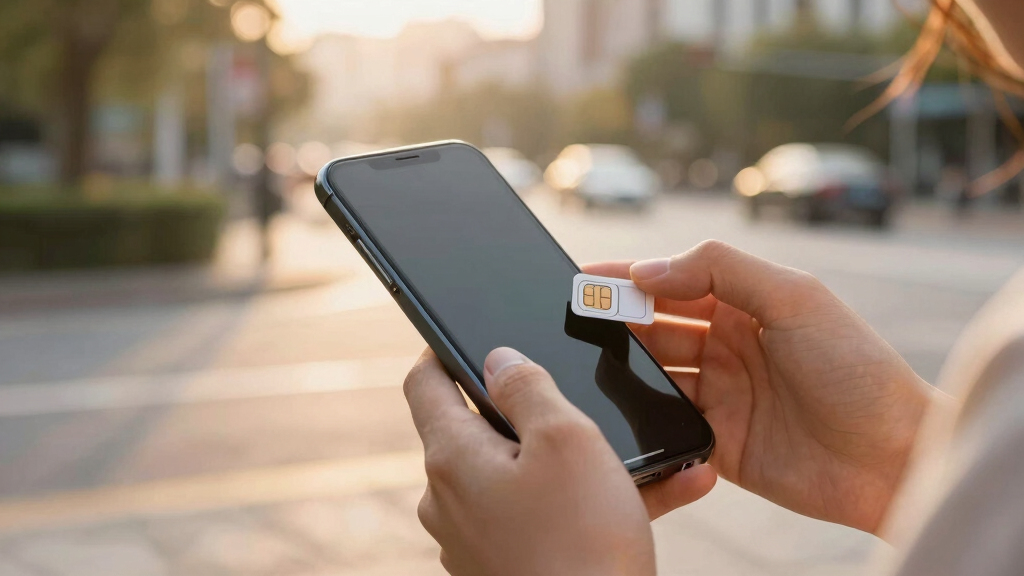
The Federal Communications Commission (FCC) has proposed new regulations that would require telecom companies to collect and verify personal identification information, including government-issued IDs and physical addresses, from all mobile phone customers. This initiative aims to curb scam activity but has raised significant privacy concerns among civil rights advocates and privacy experts.
The FCC’s proposed rule would mandate that all telecom providers gather detailed customer data at the point of sale and during account renewals. This includes government-issued ID numbers, physical addresses, and potentially other identifying information. The rule is intended to help authorities track and prevent fraudulent activities such as scam calls and identity theft.
According to the FCC, the data collection could also assist law enforcement in investigations involving foreign and commercial customers, as well as provide details like IP addresses and intended use cases of bulk plans. However, critics argue that this broad data collection could severely compromise user privacy and eliminate the option for anonymous or burner phones, which are often used by vulnerable populations such as domestic violence victims, privacy-conscious individuals, and journalists.
Privacy advocates, including the American Civil Liberties Union (ACLU), have expressed alarm, comparing the proposed measures to authoritarian regimes where citizens are required to register for mobile services. An anonymous researcher told Hacker News that the rule could effectively make it impossible for many to purchase untraceable phones, impacting low-income users and those seeking privacy protections.
Implications for Privacy and Access to Burner Phones
This proposal could fundamentally alter how Americans access mobile services by removing the possibility of anonymous phone use. It risks marginalizing vulnerable groups who rely on burner phones for safety, privacy, or affordability. Additionally, the increased data collection raises concerns about government overreach, data security, and potential misuse of personal information, which could have lasting impacts on civil liberties and digital privacy.
As an affiliate, we earn on qualifying purchases.
FCC’s Longstanding Efforts to Regulate Phone Identity Data
The FCC has previously taken steps to combat scam calls and improve network security, but this proposal marks a significant escalation by targeting the fundamental anonymity of mobile devices. Historically, burner phones have been used by various groups to maintain privacy or evade surveillance, making this move controversial. The rule is currently in the proposal stage, with public comments open and no final decision yet made.
“With this rulemaking, the government is contemplating taking away people’s ability to get a burner phone, which will hurt low-income people, domestic violence victims, and anyone else who cares about their privacy.”
— an anonymous researcher
As an affiliate, we earn on qualifying purchases.
Unclear Details on Implementation and Scope
It is not yet confirmed how strictly the FCC will enforce these data collection requirements, nor how telecom companies will implement them. The precise scope—such as whether existing customers will be affected or only new sign-ups—is still under discussion. The potential for data security breaches or misuse remains a concern, but specifics have not been finalized.
privacy-focused mobile SIM cards
As an affiliate, we earn on qualifying purchases.
As an affiliate, we earn on qualifying purchases.
Next Steps in Public Comment and Final Decision
The FCC is currently accepting public comments on the proposed rules, with a deadline set for the coming months. After reviewing feedback, the FCC will decide whether to move forward with formal regulation. If adopted, telecoms will need to develop systems to collect and verify customer data, which could take several months to implement.
As an affiliate, we earn on qualifying purchases.
Key Questions
Will this rule ban all burner phones?
It is not explicitly a ban, but by requiring ID verification for all customers, it would effectively eliminate the use of untraceable burner phones in many cases.
How might this affect privacy-conscious users?
Users who rely on anonymous or unregistered phones for privacy or safety reasons could find it more difficult or impossible to access such services under the new rules.
When will these rules be finalized?
The FCC is currently in the public comment phase, with no set timeline for final approval. The process could take several months.
Could this lead to increased government surveillance?
The data collection could provide law enforcement with more tools for surveillance, raising civil liberties concerns, though the FCC states the goal is to combat fraud and scams.
Are there alternatives for privacy-focused users?
At this stage, it is unclear if exemptions or alternatives will be available, but advocacy groups are urging caution and privacy protections.
Source: Hacker News
Halloween Picks
halloween
As an affiliate, we earn on qualifying purchases.