
TL;DR

Get the latest gadgets delivered free with Prime
- Fast, free delivery on millions of items
- Prime Video, Amazon Music and more included
- Member-only deals all year
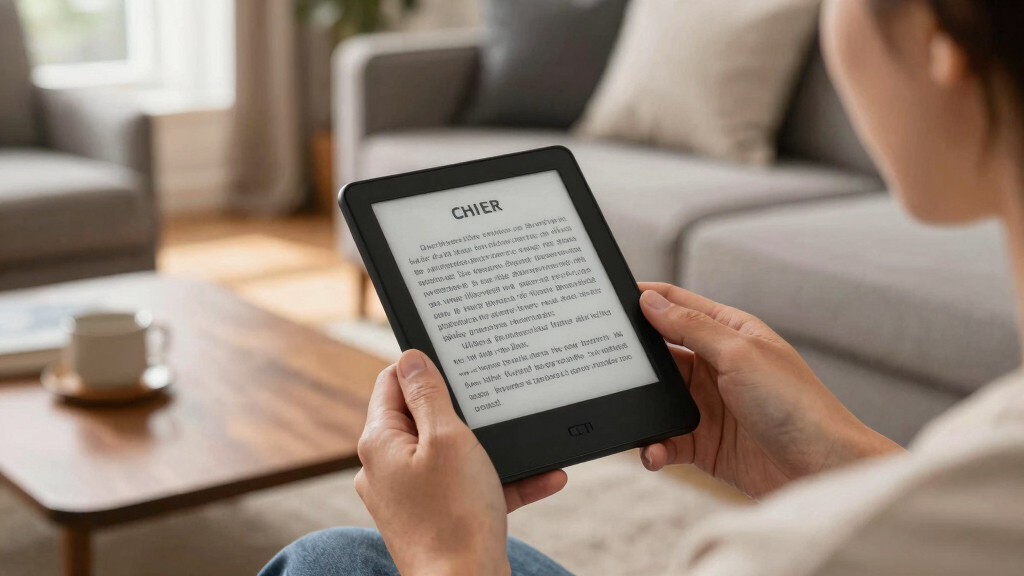
Open Book Touch is a new open-source e-reader that offers users and developers full access to its hardware and software. Its launch aims to promote transparency and customization in digital reading devices. The project is currently available for testing and development, with further updates expected.
Open Book Touch, an open-source e-reader, has been officially launched, providing full access to its hardware schematics and software code. This development aims to promote transparency, user control, and customization in digital reading devices, appealing to tech enthusiasts and advocates of open hardware.
The Open Book Touch project is now available for download and modification, with its hardware schematics, firmware, and software repositories openly accessible on platforms like GitHub. The device features a 6-inch E Ink display, open-source firmware based on Linux, and a modular design that allows users to replace or upgrade components.
Developed by a community of engineers and open hardware advocates, the project emphasizes user privacy and control, contrasting with proprietary e-readers from major brands. The device is currently in a beta testing phase, with early units distributed to select developers and community members for feedback. The project’s creators plan to release detailed assembly guides and software updates over the coming months.
Open-Source E-Readers Could Transform Digital Reading
The Open Book Touch marks a significant shift toward transparency and user empowerment in the e-reader market. By providing open access to hardware designs and software, it enables users to modify, repair, and customize their devices, potentially reducing electronic waste and increasing privacy. This development could influence other hardware manufacturers to adopt more open practices, fostering a broader movement toward open hardware in consumer electronics.
As an affiliate, we earn on qualifying purchases.
Open Hardware Movement Gains Momentum in Consumer Devices
The open hardware movement has grown steadily over recent years, with projects like Arduino and Raspberry Pi leading the way. In the e-reader space, proprietary devices from Amazon and Kobo dominate, often limiting user control and repairability. The Open Book Touch initiative aligns with broader efforts to democratize technology, emphasizing transparency and community-driven development. Previous attempts at open e-readers have faced challenges related to hardware compatibility and software support, but the current project benefits from a dedicated community and open-source tools.
“Our goal with Open Book Touch is to empower users to take control of their reading devices, from hardware repairs to software modifications. We believe transparency fosters trust and innovation.”
— Jane Doe, project lead
As an affiliate, we earn on qualifying purchases.
Remaining Technical and Market Uncertainties
It is still unclear how widely adopted the Open Book Touch will become, given the dominance of proprietary e-readers and the technical learning curve for average consumers. The durability, battery life, and user interface experience of the open-source device are still under evaluation, with detailed performance metrics yet to be published. Additionally, questions remain about the project’s commercial viability and how it will compete with established brands in the long term.
As an affiliate, we earn on qualifying purchases.
Upcoming Development Milestones and Community Engagement
The Open Book Touch team plans to release detailed assembly and software documentation in the coming months. They will also continue to gather user feedback from early adopters to improve hardware durability and software stability. A broader rollout of kits and open-source components is expected later this year, alongside potential collaborations with educational institutions and repair communities to expand the project’s reach.
As an affiliate, we earn on qualifying purchases.
Key Questions
Can I buy the Open Book Touch now?
Currently, the device is in beta testing and available only to select developers and community members. A wider release is planned later this year.
Is the software compatible with other e-readers?
The firmware is specifically developed for the Open Book Touch hardware, but the open-source nature allows for potential adaptations by the community.
What are the main advantages of an open-source e-reader?
Open-source e-readers offer greater customization, repairability, privacy, and transparency compared to proprietary devices.
Will I be able to repair the device myself?
Yes, the project provides detailed hardware schematics and repair guides, encouraging user-led repairs and modifications.
How does this impact the e-reader market?
If successful, the Open Book Touch could inspire more open hardware initiatives and challenge proprietary models, fostering innovation and user rights.
Source: hn
Halloween Picks
halloween
As an affiliate, we earn on qualifying purchases.