
TL;DR

Get the latest gadgets delivered free — and shop member deals
- Fast, free delivery on millions of items
- Access to Prime Big Deal Days deals on October 6–7
- Prime Video, Amazon Music and more included
A previously unnoticed Y2K bug has been identified in BSD 2.11 operating on a PDP-11/70. The bug involves date handling with 20th-century assumptions, highlighting ongoing risks in outdated systems. The discovery underscores the importance of examining legacy code for hidden vulnerabilities.
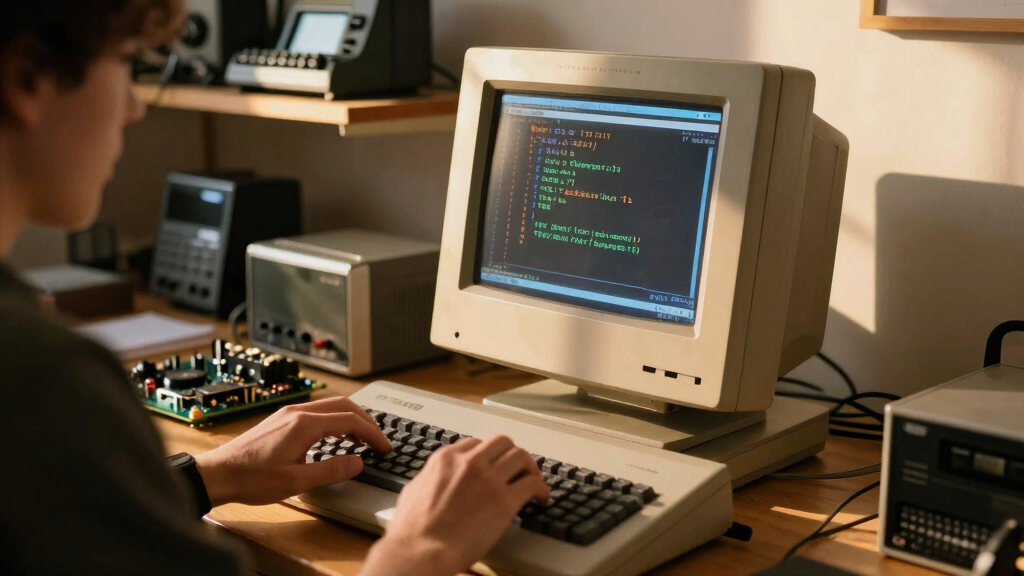
A rare Y2K bug has been identified in BSD 2.11 running on a PDP-11/70 from 1975, revealing that some legacy systems still contain date-handling flaws from the 20th century. The discovery was made through a demonstration involving specific hardware and software configurations, highlighting ongoing vulnerabilities in outdated systems that could have implications for digital preservation and cybersecurity.
The bug was uncovered by examining BSD 2.11, an operating system from the early 1990s, running on a PDP-11/70, a minicomputer from 1975. The issue was demonstrated using a Traconex adapter capable of receiving WWV/WWVH time signals, which was configured before running the command ntpd -a -d -d -d -d. The system produced an ‘offset excessive’ error in the logs, linked to the use of explicit 20th-century year numbering, indicating a flaw in date handling that predates the Year 2000 problem.
While this bug is unlikely to affect modern systems, its existence in such an old setup underscores that legacy code can harbor hidden date-related vulnerabilities, which may re-emerge or be exploited in critical infrastructure or digital preservation contexts. The bug’s discovery was documented by Hackaday, emphasizing that not all Y2K issues have been fully addressed, especially in obsolete systems that remain in use for specific applications.
Implications for Legacy System Security and Preservation
This finding matters because it demonstrates that some legacy systems, even those considered outdated or obsolete, still contain hidden date-related bugs from the 20th century. Such flaws could pose risks if these systems are still in use in critical infrastructure, industrial control, or data preservation environments. The discovery highlights the importance of thoroughly auditing old code and hardware for vulnerabilities that could resurface, especially as the clock approaches the Year 2038 problem, which shares similar date-handling challenges.
legacy hardware date signal receiver
As an affiliate, we earn on qualifying purchases.
As an affiliate, we earn on qualifying purchases.
Legacy Systems and the Persistence of Date Bugs
The Y2K problem gained widespread attention in the late 1990s, prompting extensive efforts to update and fix date handling in software worldwide. However, this recent discovery shows that some older systems, like BSD 2.11 running on PDP-11 hardware, were never fully examined or patched for such issues. BSD 2.11, released in 1992, is a Unix-like operating system that saw limited use outside specialized environments, but its continued existence in vintage computing circles means that these bugs can still be studied and potentially exploited.
The demonstration involved connecting a WWV/WWVH time signal receiver and running a standard network time protocol daemon, revealing that the system’s assumptions about the year being in the 20th century led to errors. This indicates that even systems designed decades ago can harbor assumptions that are incompatible with modern or future date standards, a concern that is increasingly relevant as the 2038 problem approaches.
“The bug involves explicit 20th-century year numbering, which can cause errors in date calculations and synchronization.”
— an anonymous researcher
PDP-11/70 vintage computer accessories
As an affiliate, we earn on qualifying purchases.
As an affiliate, we earn on qualifying purchases.
Extent and Impact of the Legacy Y2K Bug
It is not yet clear how widespread this specific bug might be in other legacy systems or whether similar issues exist in more modern or still-in-use hardware. The demonstration involved a very specific setup, and there is no evidence that this bug has caused any operational failures outside of experimental contexts. Further research is needed to assess the prevalence of such date handling flaws in other vintage or embedded systems.
As an affiliate, we earn on qualifying purchases.
Further Investigation and Legacy System Audits
Experts and organizations managing legacy infrastructure are likely to review their systems for similar date-related assumptions and bugs. Researchers may also examine other vintage operating systems for hidden Y2K-like flaws, especially as the 2038 problem looms. Additionally, this discovery could prompt renewed interest in digital preservation efforts that include auditing old hardware and software for vulnerabilities that could affect data integrity or security.
legacy system cybersecurity tools
As an affiliate, we earn on qualifying purchases.
As an affiliate, we earn on qualifying purchases.
Key Questions
Could this bug affect modern systems?
No, this bug is specific to BSD 2.11 running on vintage hardware; modern systems have addressed similar date handling issues.
Is this bug likely to cause any real-world problems today?
Unlikely, given the age and limited use of the hardware involved, but it highlights the importance of checking legacy systems for hidden vulnerabilities.
What does this tell us about the Y2K problem today?
It shows that some date-related bugs persisted beyond the initial Y2K scare, especially in systems that were never fully patched or updated.
Will this impact efforts to prepare for the Year 2038 problem?
Potentially, as it demonstrates that old assumptions about date handling can still be present and should be examined in current legacy code.
Source: Hackaday
Fall Picks
fall essentials
As an affiliate, we earn on qualifying purchases.