
To lower your bills without big upgrades, start by inspecting common leak points like windows, doors, outlets, and vents. Feel for drafts or use a match or incense stick to identify air movements, then seal gaps with weatherstripping, caulk, or draft stoppers. Check your attic, basement, and around your foundation for cracks, and guarantee proper insulation. Using tools and simple fixes, you can cut energy waste markedly—more tips to maximize savings await if you continue.
Key Takeaways
- Conduct regular visual inspections around windows, doors, vents, and electrical outlets to identify drafts and gaps.
- Seal leaks with weatherstripping, caulking, or draft stoppers to prevent air infiltration without costly renovations.
- Use a lit candle or smoke test to detect hidden leaks around structural openings and sealing points.
- Upgrade or add insulation in attics, basements, and walls to improve thermal efficiency with minimal expense.
- Install smart thermostats and energy monitors to detect uneven temperatures and target specific leak areas for sealing.
weatherstripping for doors and windows
As an affiliate, we earn on qualifying purchases.
As an affiliate, we earn on qualifying purchases.
What Are Energy Leaks and Why Do They Cost You Money?
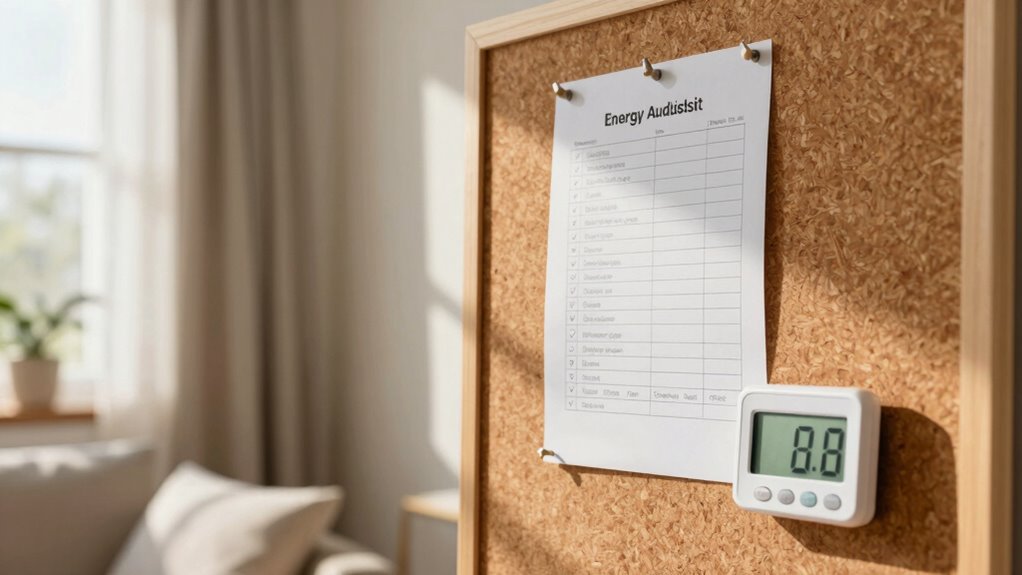
Have you ever wondered why your energy bills keep rising even when your home seems fine? The answer might be hidden in energy leaks. These leaks occur when warm or cool air escapes through gaps in your home’s thermal insulation, forcing your HVAC system to work harder. Over time, these small gaps add up, substantially increasing your energy consumption and costs. Conducting energy audits can identify where these leaks happen, revealing drafts around windows, doors, or poorly sealed areas. By sealing these leaks, you improve your home’s thermal insulation, keeping the desired temperature steady and reducing your energy bills. Recognizing and addressing energy leaks is a simple yet effective way to save money without major upgrades. Additionally, proper maintenance of household sealing and insulation can prevent future leaks and improve overall home safety and comfort, while also enhancing your home’s energy efficiency. Regular inspection of thermal barriers ensures that small leaks don’t turn into costly problems over time. Being proactive about home energy management can lead to significant savings and a more comfortable living environment. In some cases, upgrading to energy-efficient appliances can further reduce your energy consumption and costs.
draft stopper for doors
As an affiliate, we earn on qualifying purchases.
As an affiliate, we earn on qualifying purchases.
Where Do Energy Leaks Usually Happen in Your Home?
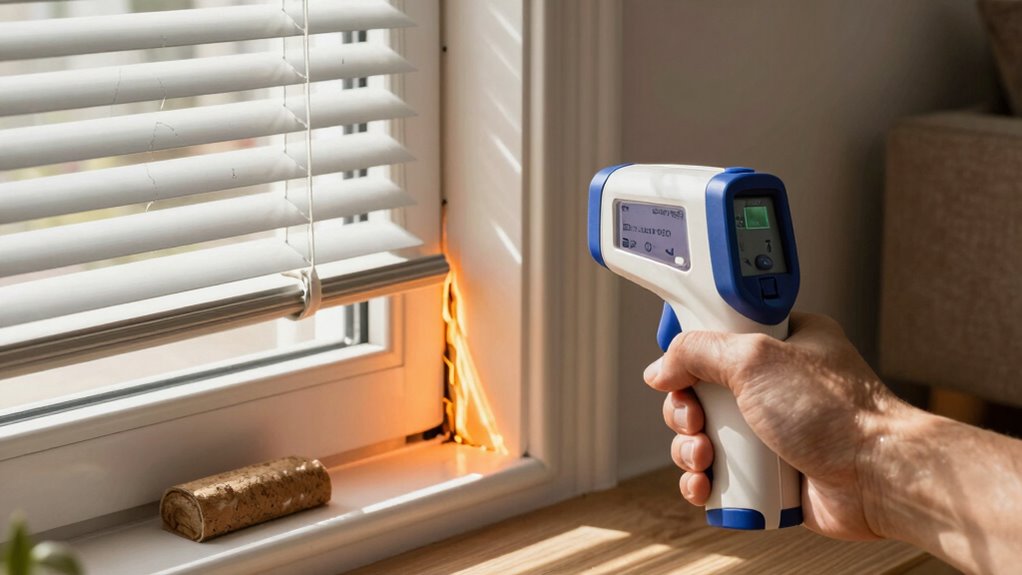
Energy leaks often happen in spots you might not notice, like your attic or roof where warm air escapes. Gaps around windows and doors also let heat slip out, increasing your energy bills. Don’t forget to check your basement and foundation cracks, which can be sources of significant leaks. Additionally, air sealing with proper insulation can greatly reduce these leaks and improve home efficiency. You might also consider inspecting for thermal bridging, which can cause heat loss through building materials. Being aware of common building envelope vulnerabilities can help you target your efforts more effectively. Proper soil drainage around your foundation can also prevent moisture issues that impact insulation and energy efficiency. Recognizing air leaks and addressing them promptly is essential for maintaining a comfortable indoor environment and reducing energy costs.
Attic and Roof Leaks
Ever wonder where the most common places for energy leaks are in your attic and roof? Gaps around your roof’s edges, vents, and chimneys often let warm air escape. If you have solar panels, improper sealing or installation can create additional leaks, reducing their efficiency and increasing energy costs. Attic access points, such as pull-down ladders or hatch covers, are also frequent leak spots if not properly sealed. Missing or damaged insulation allows heat to seep through the roof deck, especially in older homes. Addressing these leaks not only improves energy efficiency but also supports your use of renewable energy sources like solar panels by ensuring they operate at peak performance. Regular inspections help catch small issues before they turn into costly repairs.
Windows and Doors Gaps
Gaps around your windows and doors are common spots where warm air escapes and cold air sneaks in. These small openings can considerably impact your home’s energy efficiency. To fix this, focus on proper window sealing—adding weatherstripping or caulking can prevent drafts and improve insulation. For added effectiveness, consider using specialized sealing products designed for long-lasting performance. For doors, ensure they’re well-insulated and consider door insulation kits to block air leaks. Check for any gaps or cracks around the frame, and seal them promptly. Maintaining free floating backyard features like landscaping or outdoor structures can also help regulate temperature and reduce energy loss. Incorporating innovative materials in window and door upgrades can further enhance insulation and durability. Additionally, understanding interior design basics can help optimize your home’s overall energy efficiency. Incorporating high-quality seals can make an even greater difference in preventing drafts. Not only does this reduce heating and cooling costs, but it also makes your home more comfortable year-round. Regularly inspecting and maintaining window sealing and door insulation is a simple, effective way to lower your energy bills without major upgrades. Small fixes here make a big difference.
Basement and Foundation Cracks
Have you checked your basement and foundation for cracks? These tiny gaps can be major energy leaks, letting warm or cool air escape. Foundation cracks are common and often overlooked, but they compromise your home’s insulation and efficiency. To prevent heat loss, inspect for:
- Visible cracks or gaps in the foundation walls
- Areas where basement insulation is damaged or missing
- Signs of moisture or shifting around the foundation
Sealing foundation cracks with appropriate materials restores your basement’s insulation and keeps drafts out. Improving basement insulation also blocks energy leakage. Additionally, vetted solutions like creating cozy ambiance with a fake fireplace can help maintain warmth inside your home. Addressing these issues not only lowers your energy bills but also prevents costly repairs down the line. Regular checks help catch problems early, ensuring your home stays comfortable year-round. Incorporating electric power generation through bike generators can even provide a supplemental way to power small devices and reduce reliance on traditional energy sources.
smoke test kit for leaks
As an affiliate, we earn on qualifying purchases.
As an affiliate, we earn on qualifying purchases.
How to Check Your Home for Energy Leaks: A Step-by-Step Guide
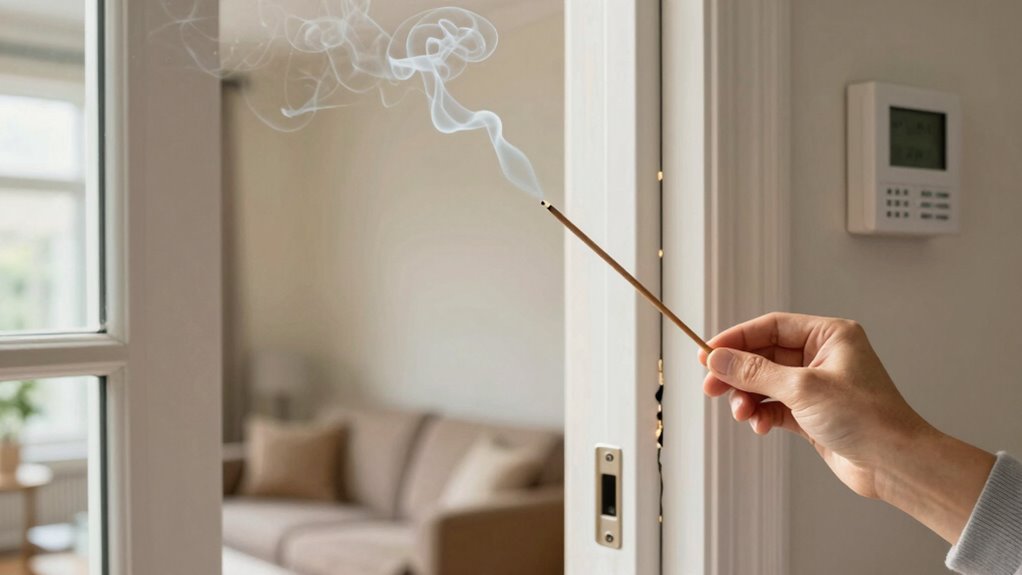
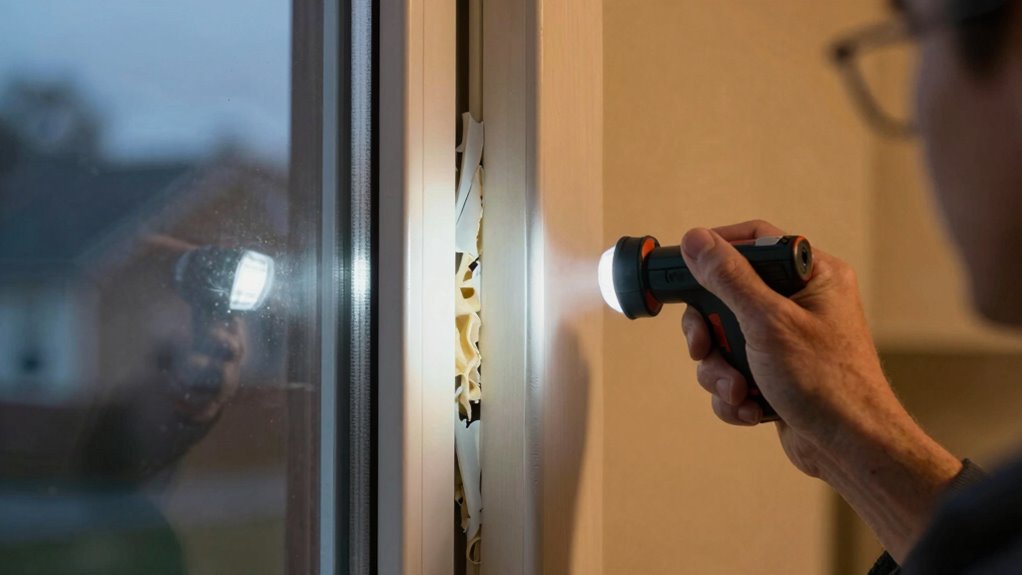
Detecting energy leaks in your home is a straightforward process that can save you money and improve comfort. Start by inspecting your windows and doors for drafts—use your hand to feel for cold air or use a lit candle to spot flickering. Check your insulation upgrades; poorly insulated areas often cause heat loss. Consider installing smart thermostats, which can detect temperature inconsistencies and help optimize heating and cooling. Examine electrical outlets, switch plates, and vents for gaps or cracks, sealing them with weatherstripping or caulk. Don’t forget to look around basement entries and attic hatches. Running a simple blower door test or using an infrared camera can also reveal hidden leaks. Regularly checking these areas ensures your home stays energy-efficient and comfortable. Additionally, air leaks around your home can contribute significantly to energy loss, so identifying and sealing them is crucial for maximizing home energy efficiency. Incorporating energy-efficient practices can further reduce your utility bills while supporting environmental sustainability. Paying attention to thermal bridging can also help prevent heat transfer through building materials, enhancing your home’s overall insulation. Being aware of building envelope integrity can help you identify potential vulnerabilities that compromise your home’s thermal performance.
attic insulation upgrade
As an affiliate, we earn on qualifying purchases.
As an affiliate, we earn on qualifying purchases.
Easy Ways to Fix Drafts and Air Leaks Yourself
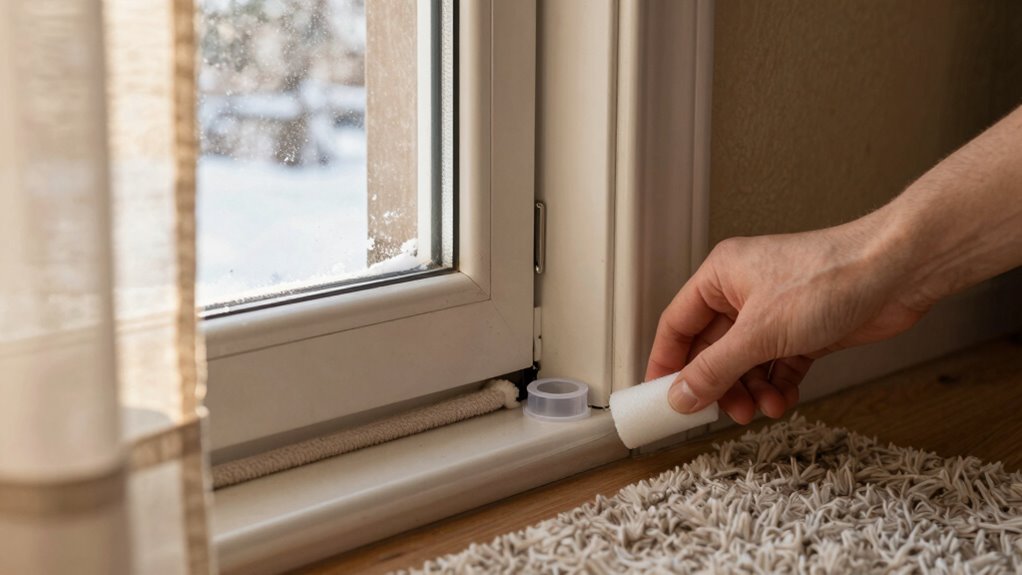
Fixing drafts and air leaks can be simple and cost-effective. Start by inspecting common problem areas like doors, windows, and vents. Improving your home’s insulation can make a big difference, reducing draft entry points. Here are some easy fixes you can do yourself:
- Seal gaps around doors and windows with weatherstripping or door sweeps.
- Use caulk to close cracks around window frames and siding.
- Install draft stoppers or door snakes at the base of doors.
- Regular HVAC maintenance also helps prevent drafts caused by duct leaks. Upgrading insulation in walls, attics, or floors further minimizes air leaks. Proper insulation is essential for maintaining consistent indoor temperatures and increasing energy efficiency. These quick fixes improve energy efficiency without major upgrades, saving you money and enhancing comfort.
Sealing Windows, Doors, and Outlets for Better Energy Efficiency
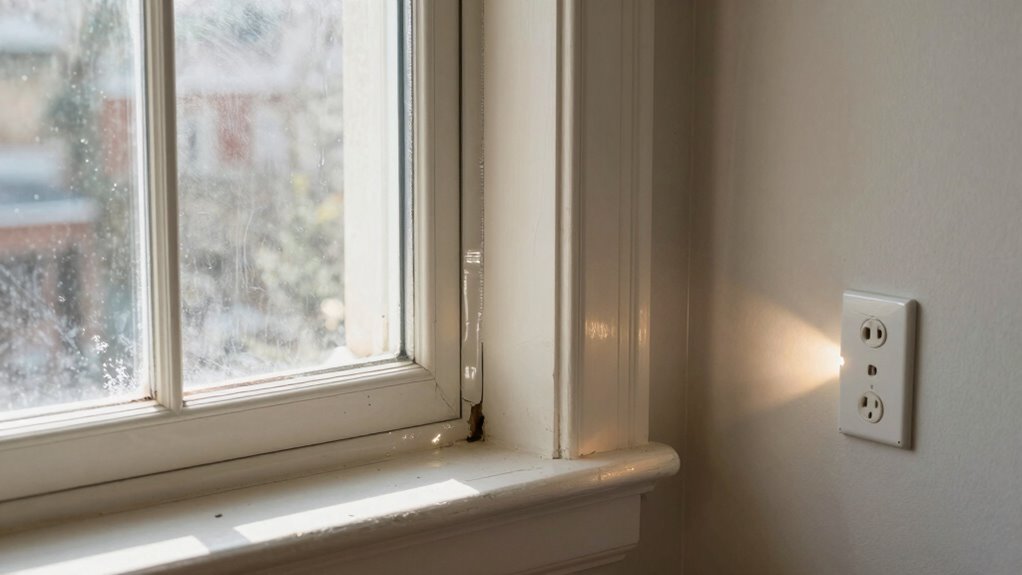
Sealing gaps around windows, doors, and outlets is an effective way to enhance your home’s energy efficiency. Start by installing weather stripping around doors and window frames to block drafts. For larger gaps, consider using caulk or foam sealant. Thermal curtains can also help insulate windows, reducing heat transfer and keeping warmth inside during winter. Don’t forget outlets; installing outlet sealers or gaskets prevents drafts from entering through electrical outlets on exterior walls. These simple upgrades can considerably cut energy loss without major renovations. Regularly inspect sealing points to ensure they remain intact and effective. Combining weather stripping, thermal curtains, and outlet insulation creates a thorough barrier against air leaks, making your home more comfortable and lowering your energy bills.
How Ventilation Affects Your Home’s Energy Use and What to Do About It
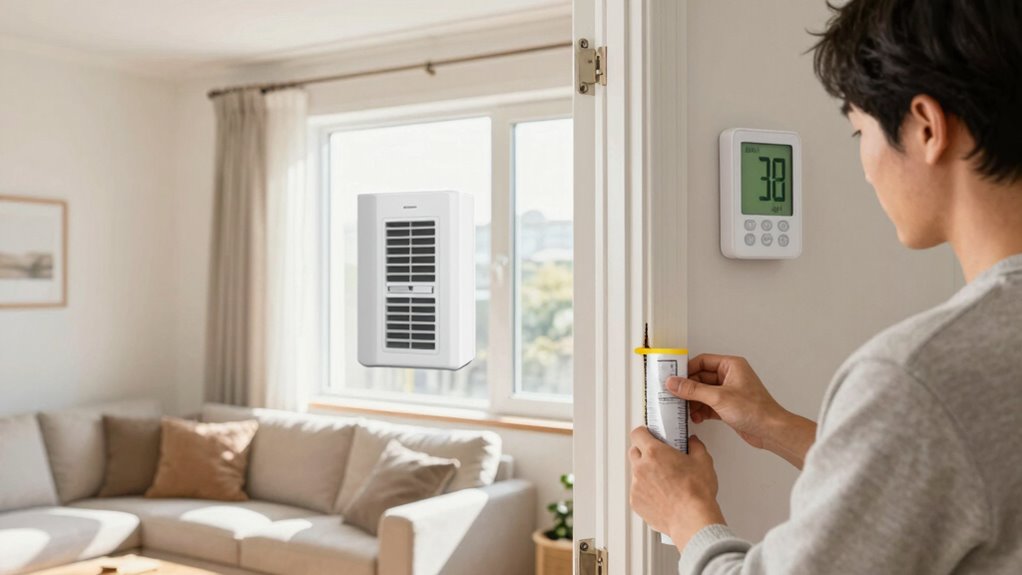
Proper ventilation helps control your home’s energy use by removing excess heat or humidity. If you notice drafts or uneven temperatures, it might mean your airflow is too high or uneven. Adjusting your ventilation strategies can improve efficiency and keep your home comfortable.
Ventilation’s Role in Efficiency
Have you ever considered how ventilation impacts your home’s energy efficiency? Proper ventilation helps maintain good indoor air quality while preventing energy waste. Different ventilation system types, like exhaust fans, HRVs, or ERVs, influence how much energy your home consumes. Poor ventilation can lead to excess moisture, mold, and stale air, which may cause you to run your HVAC more often. To maximize efficiency, consider these points:
- Ensure your ventilation system is appropriately sized for your home.
- Seal leaks around vents and ducts to prevent unwanted airflow.
- Regularly maintain your ventilation devices for optimal performance.
Signs of Excess Airflow
Excess airflow in your home can silently undermine your energy efficiency, leading to higher utility bills and uncomfortable drafts. Signs include noticeable drafts near windows and doors, uneven temperature distribution, or cold spots on walls. If you notice your heating or cooling system runs constantly without maintaining comfort, it might be due to unsealed leaks. Regular HVAC maintenance helps identify and address leaks that cause excess airflow. Additionally, upgrading insulation can reduce unwanted ventilation, keeping conditioned air inside. Check for gaps around electrical outlets, baseboards, and attic hatches, as these are common sources of excess airflow. Addressing these signs early can improve energy efficiency without major upgrades, saving you money and increasing comfort. Proper sealing and insulation are key to controlling airflow and maintaining a stable indoor environment.
Improving Ventilation Strategies
Effective ventilation plays a crucial role in maintaining indoor air quality and comfort, but it also considerably impacts your home’s energy use. Proper strategies ensure fresh air while minimizing energy waste. To improve ventilation, consider:
- Installing heat recovery ventilators (HRVs) or energy recovery ventilators (ERVs) to enhance moisture control and air exchange without losing heat.
- Using exhaust fans in kitchens and bathrooms to remove excess moisture and pollutants efficiently.
- Sealing leaks around windows and doors to prevent unwanted airflow that disrupts your ventilation balance.
Balancing airflow helps keep air quality high and moisture levels in check, reducing mold risk and improving comfort. Thoughtful ventilation strategies can lower energy bills while maintaining a healthy, well-ventilated home.
Tools and Apps You Can Use to Find Hidden Energy Leaks
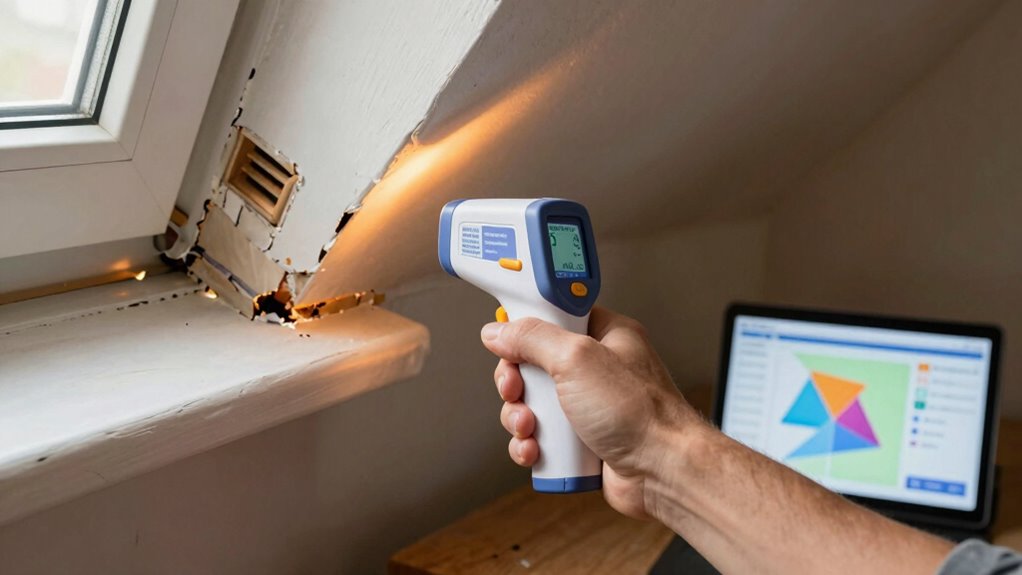
Detecting hidden energy leaks can be straightforward when you use the right tools and apps. Smart thermostats help identify temperature inconsistencies and optimize your heating and cooling, revealing areas where energy escapes. They provide real-time data, allowing you to adjust settings and improve efficiency. Energy monitors are another valuable tool; they track your overall electricity usage and pinpoint appliances or systems that consume excessive power. Some energy monitors connect to your Wi-Fi, offering detailed insights via smartphone apps, making it easier to spot unusual patterns. Using these tools, you gain a clearer picture of where your home may be losing energy. With this information, you can target specific leaks and address them efficiently, saving money without major upgrades.
When Should You Call a Professional to Improve Your Home’s Energy Efficiency?
While using tools and apps can help you identify hidden energy leaks, there comes a point when professional expertise is the best route to improve your home’s efficiency. If you notice persistent drafts, uneven temperatures, or rising energy bills despite your efforts, it’s time to call in a pro. They can evaluate your HVAC maintenance needs, ensuring your system runs efficiently. Professionals can also recommend insulation upgrades that make a real difference in comfort and savings. Consider contacting an expert if:
- Your energy bills remain high despite sealing obvious leaks
- Your HVAC system requires regular maintenance or repairs
- You notice uneven heating or cooling across rooms
Professional assessments can pinpoint issues beyond your DIY scope, leading to targeted improvements that lower bills without major upgrades.
Frequently Asked Questions
Can Small Leaks Significantly Impact My Energy Bills?
Yes, small leaks can considerably impact your energy bills. Insulation gaps and drafty windows let warm or cold air escape, forcing your heating or cooling system to work harder. By sealing these leaks, you improve energy efficiency and save money. Even minor gaps matter, so check around windows, doors, and insulation areas regularly. Addressing these small leaks can make a noticeable difference in your monthly energy costs.
Are Energy Leaks Common in Older Homes?
Yes, energy leaks are common in older homes, like tiny cracks in a dam letting precious warmth slip away. You might notice drafts around windows or doors, indicating the need for window sealing. Insulation upgrades can also help lock in heat, transforming your home into a cozy fortress. Addressing these leaks now prevents wasted energy and keeps your bills in check, turning your house into an efficient, snug haven.
How Often Should I Check for Energy Leaks?
You should check for energy leaks at least twice a year, ideally during seasonal changes. Use DIY insulation techniques and window sealing to improve efficiency. Inspect areas around windows, doors, and vents regularly, especially before winter and summer. Sealing gaps and adding insulation helps prevent heat loss or gain, saving you money. Staying vigilant guarantees your home remains energy-efficient year-round without costly upgrades.
Do I Need Special Tools to Detect Hidden Leaks?
No, you don’t need fancy tools to detect hidden leaks. A thermal camera can show you temperature differences, revealing drafts, while a smoke pen can help spot air leaks around windows and doors. These tools make it surprisingly easy to find leaks yourself, saving you money and hassle. You might just be surprised how effective simple gadgets are for such a big job—no expert skills required!
What Are Cost-Effective Long-Term Solutions for Energy Leaks?
You should consider insulation upgrades and window sealing as cost-effective long-term solutions for energy leaks. Adding insulation helps keep warm or cool air inside, reducing your energy bills over time. Sealing gaps around windows prevents drafts and heat loss. These improvements are affordable, require minimal maintenance, and quickly pay for themselves through lower energy costs. By prioritizing insulation and sealing, you effectively eliminate leaks and boost your home’s energy efficiency.
Conclusion
By spotting and sealing those sneaky energy leaks, you could save hundreds on bills without major upgrades. It’s funny how small gaps around your home can drain your wallet — but fixing them is easier than you think. With a little effort and the right tools, you’ll enjoy a cozier, more efficient home. So next time you feel a draft, remember: it’s not just cold air, but money slipping away.