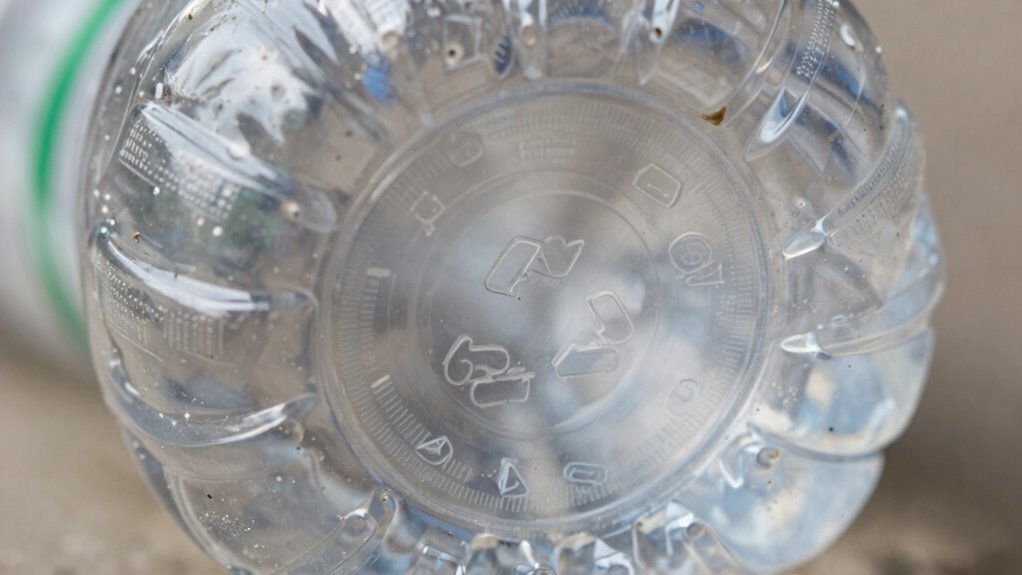

Recycling symbols often mislead you into thinking they guarantee proper recycling, but that’s not always true. Many symbols show plastic types or manufacturer info, not recyclability. Confusing icons can cause contamination and waste because local facilities vary in what they accept. To recycle smarter, you need to understand these symbols and follow your area’s guidelines. Keep exploring further to discover how to make more eco-friendly choices and improve recycling at home.
Prime for Young Adults — start your free trial
Fast free delivery, streaming and member deals for eligible 18–24 year olds.
As an affiliate, we earn on qualifying purchases.
Key Takeaways
- Recycling symbols indicate plastic type but do not guarantee local recyclability or acceptance.
- Many people misinterpret symbols, leading to contamination and improper waste sorting.
- Not all symbols mean the item is recyclable in your area; always check local guidelines.
- Recognizing common symbols like the Mobius loop and resin codes improves sorting accuracy.
- Proper recycling requires understanding symbols, checking guidelines, and avoiding assumptions.
As an affiliate, we earn on qualifying purchases.
What Do Recycling Symbols Really Mean?
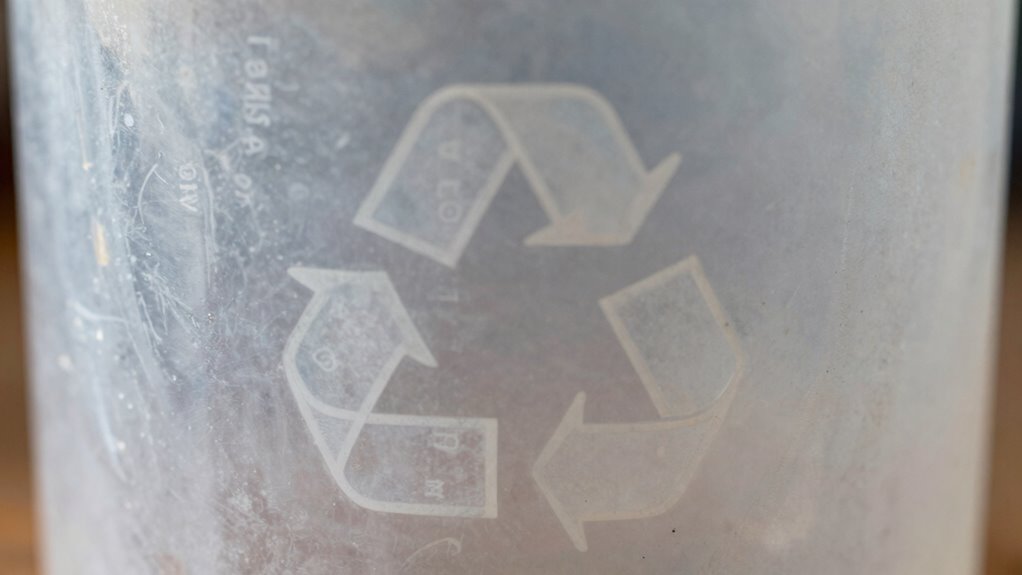
Have you ever wondered what those recycling symbols on packaging truly mean? They’re more than just icons; they’re clues about plastic identification. Each symbol includes a number that indicates the type of plastic used, helping you determine if it’s recyclable. However, these symbols have limitations. Not all recycling centers accept every type of plastic, even if the symbol suggests it’s recyclable. Some symbols are simply informational, not an assurance of recycling. For example, a plastic container marked with a certain number might not be accepted locally, leading to confusion. It’s essential to understand that the symbol’s presence doesn’t guarantee recycling. Instead, use it as a guide, and always check your local recycling rules before tossing items into the bin. Additionally, understanding plastic recycling guidelines can help you make more informed disposal choices. Recognizing recycling symbol limitations can prevent contamination and improve recycling efficiency.
plastic recycling identification kit
As an affiliate, we earn on qualifying purchases.
As an affiliate, we earn on qualifying purchases.
The Most Common Recycling Symbols and How to Recognize Them

Knowing how to recognize the most common recycling symbols can make your waste sorting easier and more effective. Many recycling misconceptions arise from misinterpreting these symbols’ significance. The key symbols include the Mobius loop, the resin identification code, and the “Green Dot.” The table below helps you identify them quickly:
| Symbol | Recognition Tip |
|---|---|
| Mobius Loop | Look for three chasing arrows forming a triangle. |
| Resin Code (1-7) | Usually inside a chasing arrow triangle, indicating plastic type. |
| Green Dot | A circle with two arrows, signifying producer responsibility. |
| PET or PETE | Number 1 inside the resin code, common in bottles. |
Mastering these symbols reduces misconceptions and ensures proper recycling. Understanding the resin identification code is particularly important, as it helps determine the recycling process for different plastics.
As an affiliate, we earn on qualifying purchases.
Why Do People Misread Recycling Icons, and What Are the Consequences?
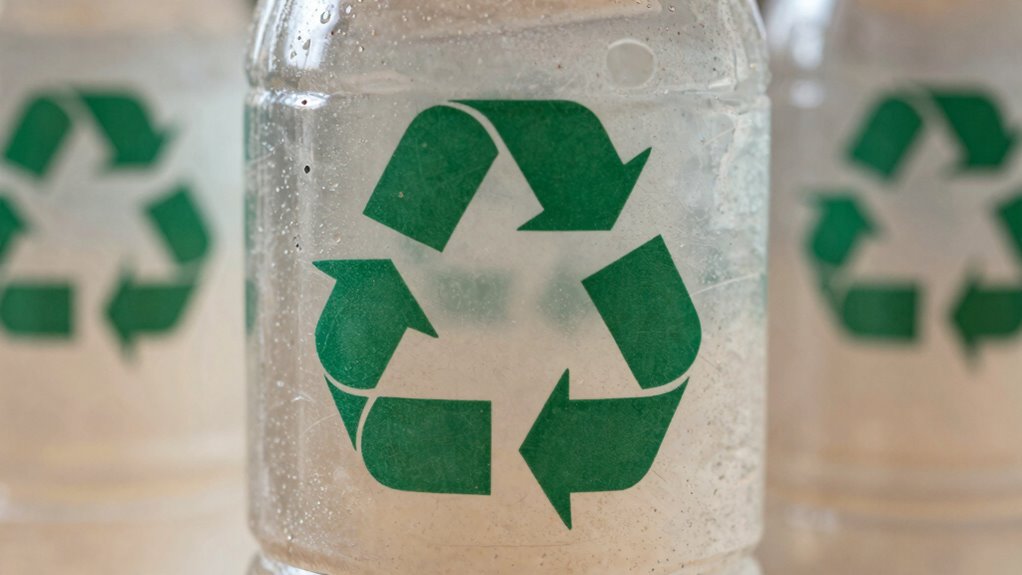
Many people misread recycling icons because the symbols can be confusing or misunderstood. This often leads to falling for recycling myths, where items are wrongly thought to be recyclable or non-recyclable. When you misinterpret these symbols, it impacts the environment because contaminated loads can end up in landfills instead of being recycled properly. Incorrect recycling habits also increase the environmental impact by wasting resources and energy. People may assume that all items with a recycling symbol are safe to recycle, but some symbols are outdated or specific to certain regions. Misreading icons can cause contamination in recycling streams, reducing overall efficiency. Additionally, recycling symbols can sometimes be ambiguous, which adds to consumer confusion about proper disposal methods. To avoid these issues, it’s important to understand what each symbol truly means and not rely solely on assumptions or incomplete knowledge. Recognizing Free Floating symbols can help consumers make better recycling decisions and reduce environmental harm. Being aware of symbol variations can further improve recycling accuracy and minimize waste. Furthermore, staying informed about recycling standards ensures that consumers follow correct disposal practices and support sustainability efforts. Developing a clear understanding of the symbols’ meanings can significantly improve recycling practices and reduce environmental contamination.
eco-friendly waste sorting containers
As an affiliate, we earn on qualifying purchases.
As an affiliate, we earn on qualifying purchases.
How to Tell What Items Are Recyclable Beyond Symbols

While recycling symbols can be helpful, relying solely on them isn’t enough to determine if an item is recyclable. Many recycling myths persist, leading people to toss items that aren’t accepted locally or contaminate recycling streams. To identify recyclable items beyond symbols, check your local recycling guidelines, which specify accepted materials. Examine packaging for labels like “biodegradable” or “compostable,” but remember these aren’t always recyclable. Feel the material—metals, plastics, and glass are typically recyclable, while food-soiled items usually aren’t. Developing eco friendly habits means staying informed and asking questions about local recycling rules instead of assuming. Additionally, understanding the different recycling symbols helps clarify what can and cannot be processed, reducing contamination. Recognizing material types through tactile inspection can also aid in proper sorting and recycling practices. This approach helps reduce contamination, waste, and the spread of recycling myths, making your efforts more effective and meaningful.
Simple Ways to Make Smarter, Eco-Friendly Recycling Choices
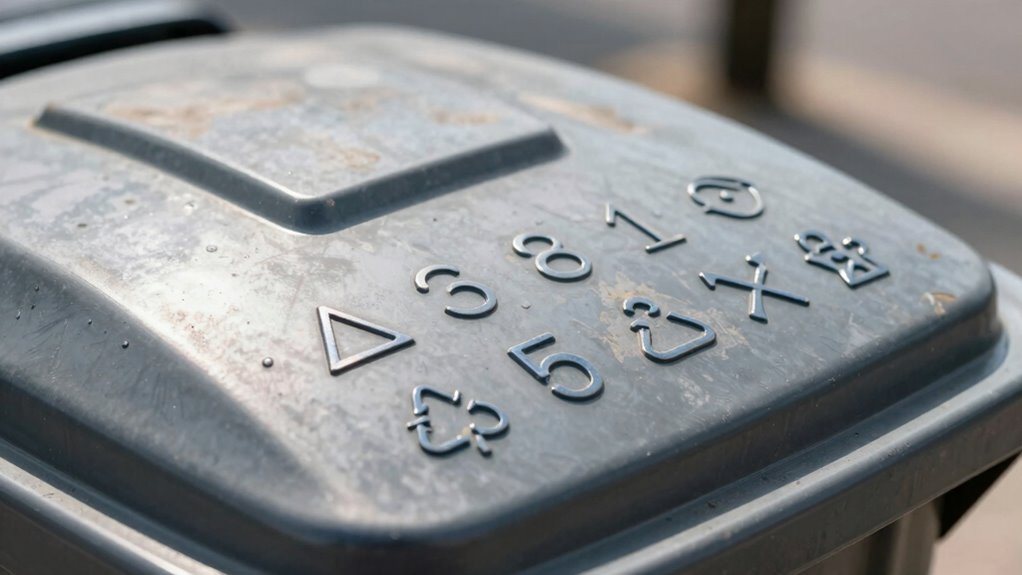
Making smarter, eco-friendly recycling choices starts with being mindful of what you toss into your bins. Many recycling myths lead people to believe they’re helping the environment when they’re not. To improve your habits, learn the correct recycling rules for your area and avoid contaminating recyclables with food or waste. Rinse containers to prevent odors and keep recyclables clean, which boosts their value and usability. Opt for products made from recycled materials whenever possible, supporting a circular economy. Reduce your overall waste by choosing reusable bags, bottles, and containers. Additionally, understanding recycling symbols can help you identify which items are truly recyclable and prevent unnecessary waste. Recognizing printmaking paper textures can also influence your choice of eco-friendly materials for creative projects, encouraging sustainable practices. Educating yourself about recycling technology can further enhance your ability to recycle effectively and innovate sustainable solutions. Developing awareness of battery inverter generators and their efficiency can help you choose energy solutions that are both eco-friendly and cost-effective. These simple steps help you develop eco friendly habits that make a real difference. By being intentional and informed, you can recycle smarter, reduce waste, and contribute to a healthier planet.
Frequently Asked Questions
Are All Recycling Symbols Universally Recognized Worldwide?
No, not all recycling symbols are universally recognized worldwide. You might notice that cultural differences and regional standards influence how symbols are designed and understood. In some countries, symbols clearly indicate recyclable materials, while elsewhere, they might be confusing or unfamiliar. It’s important to familiarize yourself with local recycling practices and symbols to guarantee you’re correctly sorting waste, as standards vary considerably across regions.
Can Misleading Symbols Lead to Increased Environmental Harm?
Misleading symbols are like a fog that clouds your judgment, leading you astray. When you misinterpret recycling symbols, it fuels symbol misinterpretation, causing you to toss items in the wrong bin. This not only hampers recycling efforts but also worsens environmental impact. Your actions, based on misunderstood icons, can inadvertently harm the planet, emphasizing the need for clear, accurate symbols to guide responsible waste disposal.
Do Recycling Symbols Change Over Time or Vary by Region?
Recycling symbols do change over time and vary by region due to regional variations and symbol evolution. Different areas may adopt unique symbols to reflect local recycling practices, regulations, or materials. As awareness and standards evolve, symbols also update to improve clarity or to incorporate new recycling technologies. You should always check local guidelines, as relying solely on familiar symbols might lead to improper disposal or environmental harm.
How Accurate Are Recycling Labels on Complex or Multi-Material Products?
Recycling labels on complex or multi-material products often lack accuracy because material identification can be tricky, leading to confusion. You might see labels claiming a product is recyclable when, in fact, the materials are difficult to separate or process. This inconsistency affects label accuracy, making it essential for you to double-check local recycling guidelines and not rely solely on the symbol. Proper disposal depends on clear, accurate labels.
Are There Any Upcoming Changes to Standard Recycling Symbols?
Did you know that nearly 75% of consumers are unaware of recent updates in recycling symbols? The recycling industry innovations are shaping upcoming changes to standard symbols, making them clearer and easier to understand. Consumer awareness campaigns are playing a crucial role in this shift, ensuring you recognize new symbols and recycle correctly. Stay informed, as these updates aim to improve recycling rates and reduce contamination.
Conclusion
Now that you know the truth behind recycling symbols, you’re practically a superhero in disguise! Misreading these icons could turn your eco-friendly efforts into accidental pollution disasters—imagine your recycling bin turning into a landfill! But with this knowledge, you’ll make smarter choices in seconds, saving the planet one perfectly recycled item at a time. So go ahead, become the recycling hero the world desperately needs, and make every piece count!
NFL season / tailgating Picks
team gear
As an affiliate, we earn on qualifying purchases.