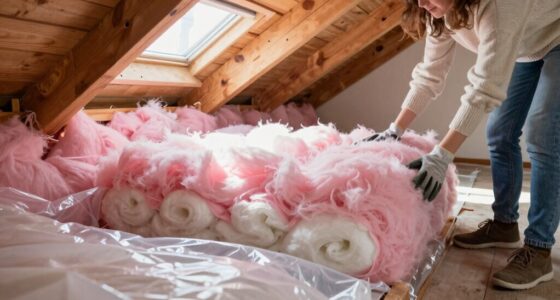
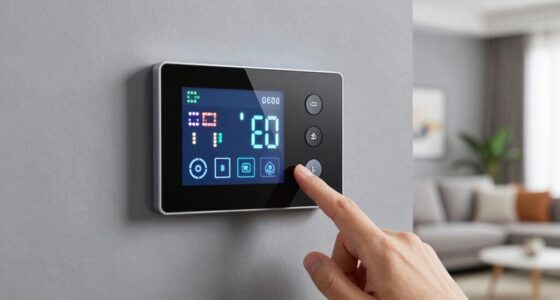
To make a real difference in water conservation, fix leaks promptly and maintain fixtures to prevent waste. Opt for full loads in dishwashers and laundry, keep showers under five minutes, and turn off taps when not in use. Install water-efficient fixtures like low-flow showerheads and sensor taps. Practice rainwater harvesting and use drip irrigation for gardens. These simple habits can lower bills and help the environment—continue exploring more ways to save water effectively.
Key Takeaways
- Regularly detect and repair leaks to prevent continuous water waste in fixtures and pipes.
- Run dishwashers and laundry machines only when full to save both water and energy.
- Water plants early in the morning using drip irrigation and adjust based on weather conditions.
- Install and maintain rainwater harvesting systems for garden use and non-potable purposes.
- Limit shower time to around 5 minutes and turn off taps when not in use to reduce water consumption.
Fix Leaks Quickly to Save Water and Money
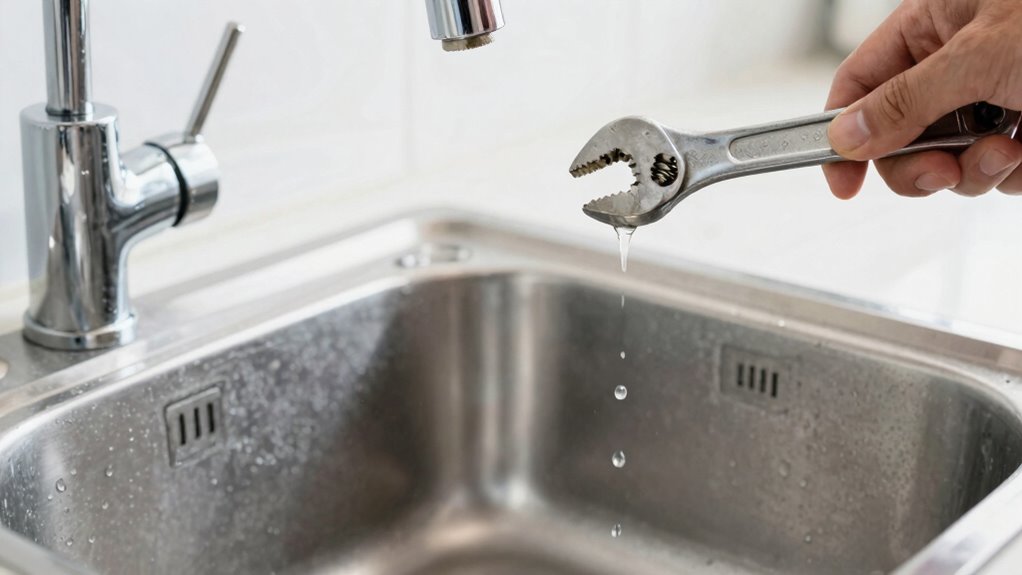
Leaking faucets and running toilets can waste a surprising amount of water if left unchecked. That’s why quick leak detection is essential. You might notice a dripping sound or see water stains, but don’t wait—address leaks promptly. Using simple repair techniques, you can fix most issues yourself. For faucets, replacing worn-out washers or cartridges often solves the problem. For toilets, a faulty flapper or fill valve may be to blame. Shut off the water supply before making repairs to prevent further waste. Acting swiftly not only conserves water but also saves you money on your utility bills. Regularly inspecting plumbing fixtures ensures you catch leaks early, making your home more efficient and environmentally friendly. Additionally, being aware of water-saving fixtures can further reduce unnecessary water use and enhance your conservation efforts. Incorporating proper maintenance techniques can extend the lifespan of your plumbing and prevent costly repairs down the line. Being familiar with plumbing systems can help you identify potential issues before they become major problems.
Optimize Daily Water Use in Your Kitchen and Bathroom
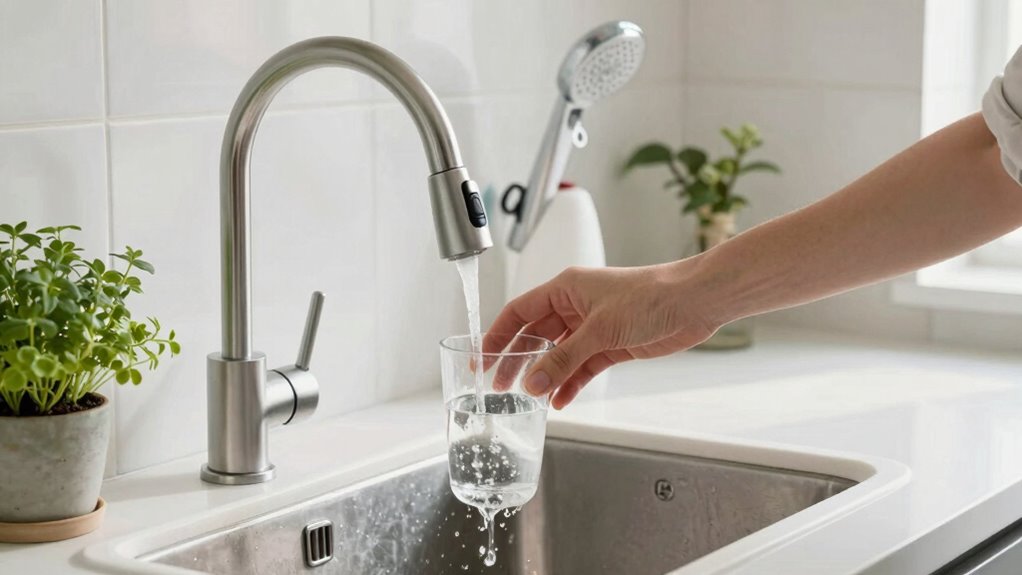
To make the most of your water, you need to be mindful of how you use it daily in your kitchen and bathroom. Start by optimizing dishwasher efficiency—run full loads to save water and energy, and skip pre-rinsing dishes when possible. In the bathroom, take shorter showers and turn off the tap while brushing your teeth. When washing your hands or dishes, choose soap selection wisely; opt for concentrated or foam soaps that require less water to rinse. Fixing minor leaks and avoiding running water unnecessarily also make a big difference. Being intentional about your water use helps reduce waste without sacrificing cleanliness or comfort. Water-saving appliances can further enhance your conservation efforts and reduce overall water consumption. Utilizing smart water meters can provide real-time insights into your household water usage, making it easier to identify areas for improvement. Regularly monitoring your usage can help you develop more effective water conservation strategies. Inspiring leadership can motivate families and communities to adopt these water-saving practices collectively, amplifying their impact. Understanding water consumption patterns can help identify further opportunities for conservation. Small, consistent habits add up to significant water savings over time.
Install Water-Efficient Fixtures for Long-Term Savings
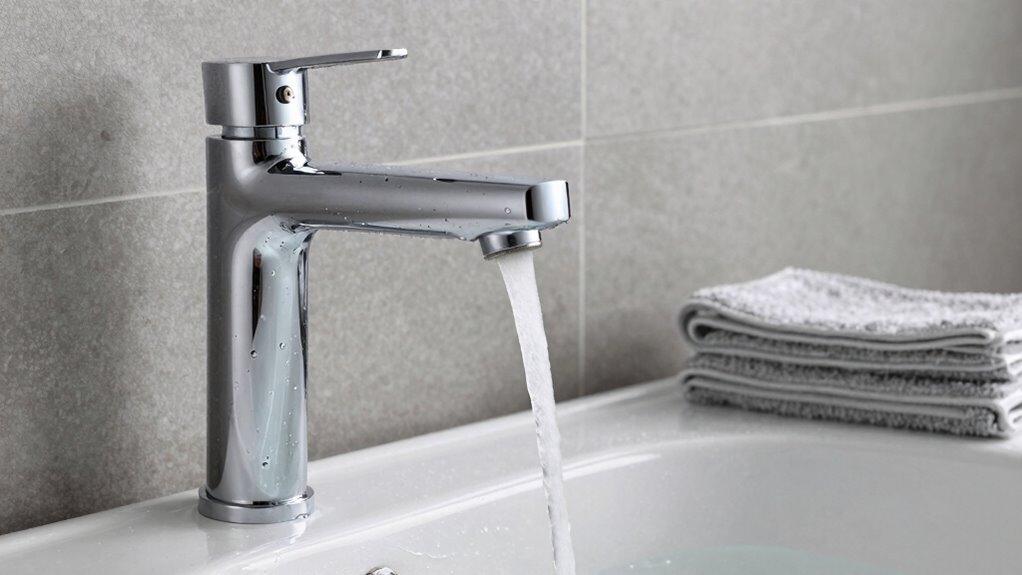
Installing water-efficient fixtures is one of the most effective ways to cut long-term water use and save money. These fixtures often feature sensor technology that detects motion, turning water on and off automatically, reducing waste. By upgrading your faucets, showerheads, and toilets, you enhance water conservation efforts effortlessly. Additionally, selecting fixtures with regional flavor in their design can complement your home’s aesthetic while promoting sustainability. Consider these benefits: – Sensor-activated taps minimize unnecessary flow – Low-flow showerheads maintain comfort while saving water – Dual-flush toilets offer adjustable flushing options – Aerators in faucets improve efficiency without sacrificing pressure. Incorporating water-saving technologies into your fixtures can further enhance your household’s efficiency. These fixtures not only reduce your water bills but also help foster sustainable habits within your household. Using water-efficient fixtures also helps protect local water resources and supports broader conservation initiatives. Investing in water-efficient fixtures ensures long-term savings and a smaller environmental footprint, making a meaningful difference for your household and the planet.
Practice Rainwater Harvesting at Home
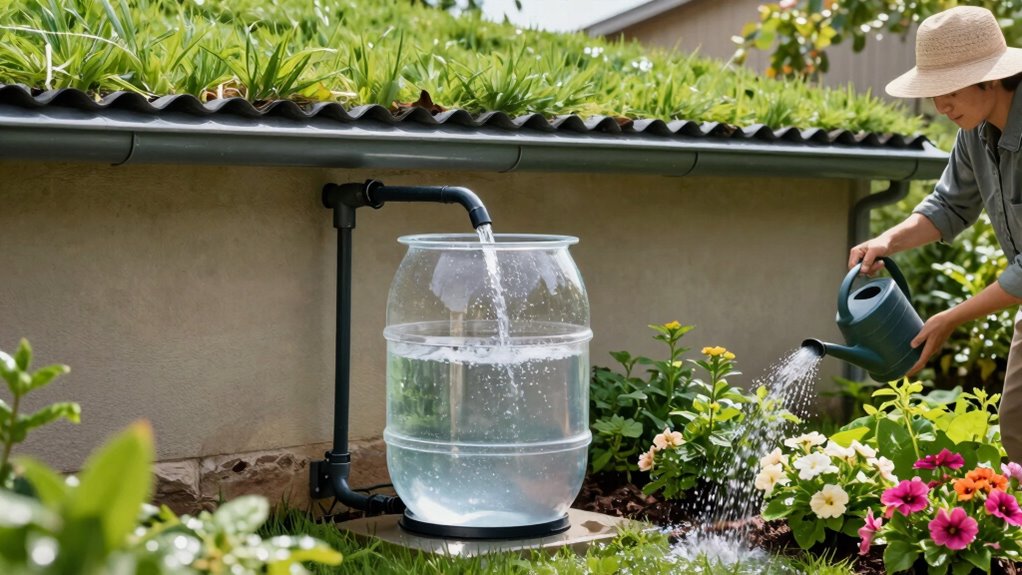
Setting up a rainwater collection system is a smart way to save water and reduce your utility bills. Make sure your system is properly installed and regularly maintained to prevent contamination and leaks. With the right storage solutions, you can use rainwater safely for gardening and other non-potable needs. Incorporating smart design principles into your system can enhance its efficiency and longevity. Additionally, considering water filtration methods can help ensure the collected rainwater remains clean and safe for your intended uses. Regular system maintenance is essential to prevent the buildup of debris and ensure consistent performance. Employing best practices for filtration can further improve the safety and quality of your rainwater.
Rainwater Collection Systems
Have you considered how collecting rainwater can reduce your household water bill and conserve resources? Implementing a rainwater collection system is straightforward and effective. You’ll need a reliable setup for rainwater storage, such as barrels or tanks, connected to your gutters. To maximize efficiency, verify your system is free of debris and secure from mosquitoes. Regular system maintenance is key—check for leaks, clean filters, and inspect the gutters. This helps prevent clogged filters and maintains water quality. Proper filter sizing and flow are essential to prevent clogs and ensure optimal water quality. Additionally, understanding nail biology and hygiene can help prevent infections if you handle collected rainwater for certain uses. Monitoring water quality testing can also help ensure the safety of your stored rainwater. Utilizing water testing kits for home use is an accessible way to maintain water safety standards. Not only does this reduce reliance on municipal water, but it also lowers your utility bills. Plus, it’s an eco-friendly way to reuse natural resources. With proper planning and upkeep, your rainwater collection system becomes a sustainable addition to your home.
Proper Storage and Maintenance
To guarantee your rainwater harvesting system works efficiently, proper storage and regular maintenance are essential. Focus on maintaining water quality by cleaning your containers regularly to prevent algae, debris, and mosquito breeding. Choose containers that are opaque to limit sunlight exposure, which helps inhibit algae growth, and ensure they are sealed tightly to avoid contamination. Inspect your storage tanks for cracks or leaks and repair them promptly. Keep gutters and filters clean to prevent debris from entering the system. Regularly check for standing water or stagnant areas that could attract pests. Proper storage not only preserves water quality but also extends the lifespan of your system. Water quality is vital to ensure the stored rainwater remains safe for use over time. Additionally, implementing storage best practices can significantly improve the overall efficiency of your rainwater harvesting system.
Apply Smart Watering Techniques for Your Lawn and Garden
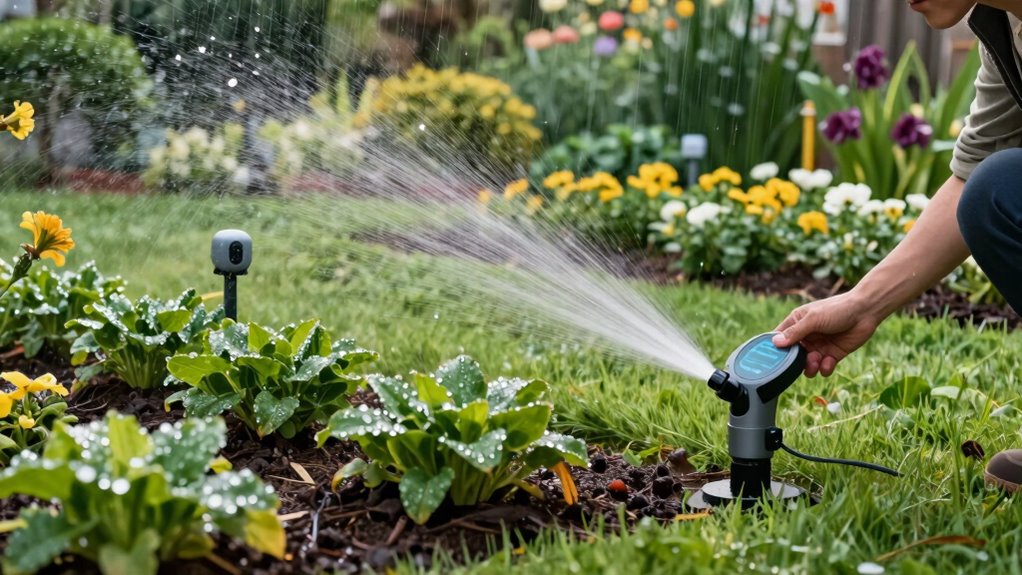
To save water, start by watering early in the morning when evaporation is minimal. Consider installing drip irrigation systems to deliver water directly to your plants’ roots and reduce waste. Remember to adjust your watering schedule based on weather changes to avoid overwatering during rainy days.
Water Early Morning Smarterly
Why is watering early in the morning one of the smartest habits for your lawn and garden? Morning watering, or early irrigation, minimizes water loss due to evaporation and wind, ensuring your plants get the moisture they need. It also allows foliage to dry during the day, reducing disease risk. By watering in the early hours, you give your lawn and garden the best chance to absorb water efficiently.
To maximize benefits:
- Water before sunrise for cooler temperatures
- Avoid watering during the heat of the day
- Use a consistent early irrigation schedule
- Keep an eye on weather forecasts to skip watering during rain
This smart approach conserves water and keeps your garden healthy, making early morning watering an essential habit.
Use Drip Irrigation Systems
Using a drip irrigation system is one of the most efficient ways to water your lawn and garden because it delivers water directly to the plant roots, reducing waste and evaporation. This targeted approach helps maintain ideal soil moisture levels, ensuring your plants get consistent, deep watering. When soil moisture stays balanced, plants stay healthier, resistant to drought stress, and grow stronger. Drip systems also minimize runoff and water loss, making your watering routine more sustainable. By avoiding overwatering or underwatering, you promote better plant health and conserve water. Plus, these systems are easy to customize for different plants and garden layouts, giving you precise control over watering times and amounts. Overall, a drip irrigation system helps you water smarter and maintain a thriving, water-efficient garden.
Adjust for Weather Changes
Adjusting your watering schedule as weather conditions change guarantees your garden stays healthy and conserves water. Seasonal water needs vary, so it’s essential to adapt your watering practices based on current weather. During rainy periods, cut back on watering to prevent overwatering. In hot, dry spells, increase watering frequency to meet your plants’ needs. Remember, weather dependent watering helps optimize water use and reduces waste. You can:
- Monitor local weather forecasts regularly
- Adjust your sprinkler timers accordingly
- Use soil moisture sensors for precise watering
- Shift to early morning or late evening watering to minimize evaporation
Adjust Your Habits to Conserve Water Every Day
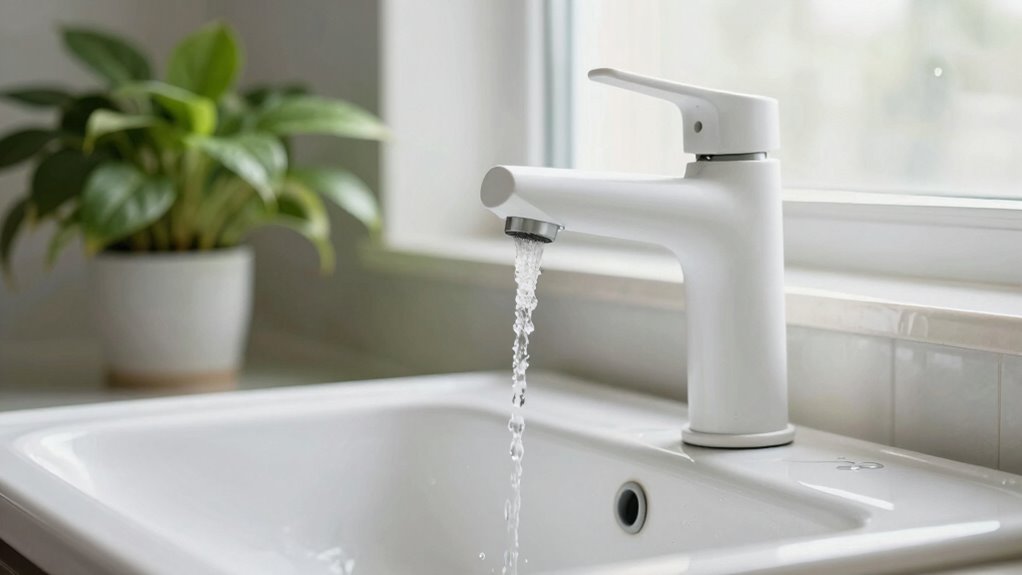
Small changes in your daily routine can make a big difference in water conservation. By habit adjustment, you can reduce unnecessary water use and save resources. For example, turning off the tap while brushing your teeth or fixing leaks promptly can substantially cut water waste. Consistently applying these simple habits creates lasting impact. To help visualize, here’s a quick guide:
| Habit | Water-saving tip | Result |
|---|---|---|
| Shorter Showers | Limit shower time to 5 minutes | Reduces gallons per shower |
| Fix Leaks | Repair dripping faucets immediately | Prevents continuous water loss |
| Use a Broom instead of a Hose | Clean driveways with a broom | Saves water compared to hosing down |
| Run Dishwasher Only Full | Wait until dishwasher is full before running | Uses water efficiently |
| Turn Off Taps When Not Using | Don’t leave taps running during activities | Cuts unnecessary water flow |
Adjust your habits daily to make water conservation second nature.
Teach Your Family Simple Water-Saving Tips

Teaching your family simple water-saving tips is an effective way to create lasting conservation habits. Open family communication helps foster a water conservation mindset, making everyone aware of their impact. Share easy practices that everyone can remember and follow daily. For example:
- Turn off faucets while brushing your teeth
- Fix leaks promptly to prevent water waste
- Use a broom instead of a hose to clean driveways
- Collect rainwater for outdoor plants
Encouraging your family to discuss water use promotes collective responsibility. When everyone understands how small changes add up, conserving water becomes a shared goal. Clear communication builds awareness and motivates consistent effort, helping establish habits that make a real difference in water conservation.
Monitor Your Water Use Regularly to Track Savings
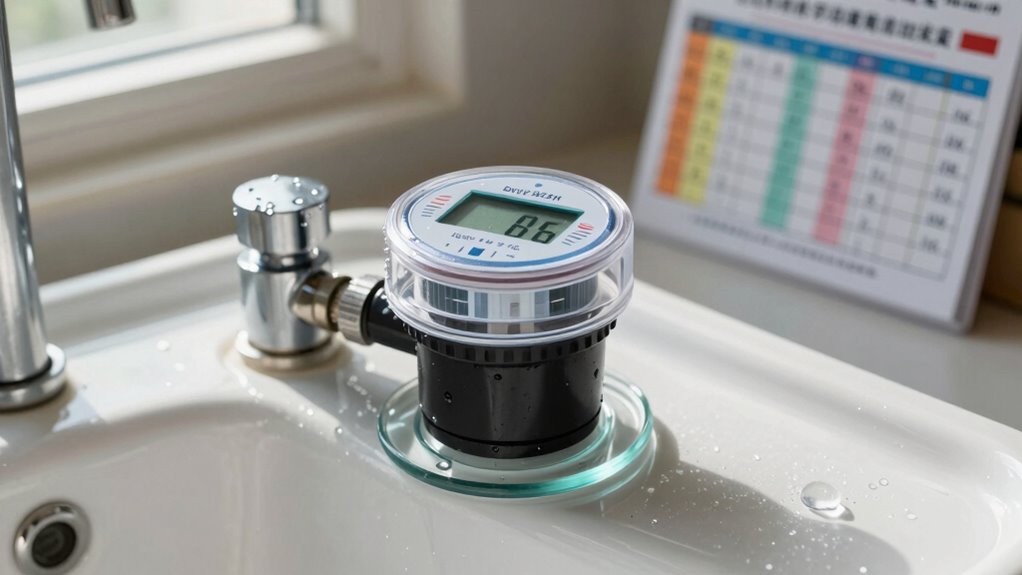
Tracking your water use regularly is essential for understanding how much water your family consumes and identifying areas where you can save. Smart water meters make usage tracking simple by providing real-time data on your water consumption. With these devices, you can spot unusual spikes or leaks quickly, helping you address issues before they become costly. By monitoring your water use consistently, you gain a clear picture of your habits and see how small changes impact your overall savings. Regular tracking encourages mindful water use and keeps you motivated to maintain efficient habits. Investing in smart water meters is a practical step toward better water management, ensuring you stay informed and make smarter choices that benefit both your wallet and the environment.
Understand How Water Waste Affects Your Environment and Bills
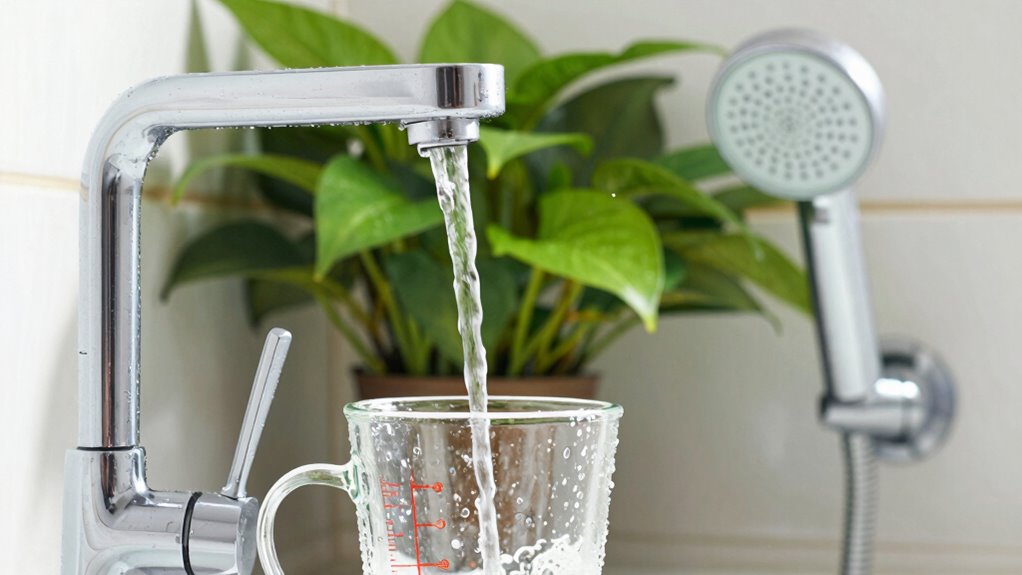
When you waste water, it not only increases your water bill but also harms the environment by depleting natural resources and contributing to pollution. This affects your water footprint, making it larger and less sustainable. Raising your conservation awareness helps you see how small actions add up.
Consider how water waste impacts:
- Natural ecosystems and wildlife habitats
- Water availability for future generations
- Energy used in water treatment and distribution
- Your monthly expenses and overall budget
Frequently Asked Questions
How Can I Identify Hidden Leaks in My Plumbing System?
To identify hidden leaks, start with a thorough plumbing inspection to spot signs like mold, water stains, or musty odors. Use leak detection methods such as listening for hissing sounds or checking your water meter for unusual activity when no fixtures are in use. Regular inspections help catch leaks early, saving water and preventing costly damage. Don’t ignore small signs—early detection keeps your plumbing efficient and leak-free.
What Are the Most Effective Times of Day to Water My Garden?
You should water your garden early in the morning or late in the evening to maximize efficiency and prevent evaporation. Many think watering midday is fine, but the heat reduces absorption. Stick to an ideal watering schedule by watering during these cooler times, especially before sunrise or after sunset. Doing so ensures your plants get the moisture they need while conserving water, making your efforts truly effective.
How Do Water-Efficient Fixtures Compare in Cost and Savings?
Water-efficient fixtures usually have higher upfront costs compared to traditional ones, but the savings on your water bill can make up for it over time. You’ll find that the cost comparison favors these fixtures as they reduce water usage markedly. Installation costs are generally reasonable, especially if you hire a professional. In the long run, investing in water-efficient fixtures helps you save money while conserving water.
Can Rainwater Harvesting Completely Replace City Water for Household Use?
You can’t fully replace city water with rainwater harvesting, but it considerably reduces your dependence. Rainwater benefits include lower water bills and sustainability. While it’s great for outdoor use and flushing toilets, you’ll still need city water for drinking, cooking, and other household needs due to safety standards. By combining both, you maximize water conservation and enjoy environmental benefits without sacrificing essential water quality.
What Are Simple Ways to Involve Children in Water Conservation?
You can involve children in water conservation by engaging them in interactive activities and educational games that highlight water-saving tips. Encourage them to track daily water use or create fun challenges like turning off taps while brushing teeth. Use storytelling or puzzles to teach about water scarcity and conservation. These approaches make learning enjoyable, instill responsible habits early, and help kids understand how their actions directly impact water resources.
Conclusion
By adopting these water-saving habits, you can make a real difference. For example, fixing a leaky faucet could save hundreds of gallons annually, reducing both your bills and environmental impact. Imagine a family who installed water-efficient fixtures and saw their water usage drop by 30%. Small daily changes add up, helping preserve our precious water resources for future generations. Start today—your efforts truly matter.