
TL;DR

Get the latest gadgets delivered free — and shop member deals
- Fast, free delivery on millions of items
- Access to Prime Big Deal Days deals on October 6–7
- Prime Video, Amazon Music and more included
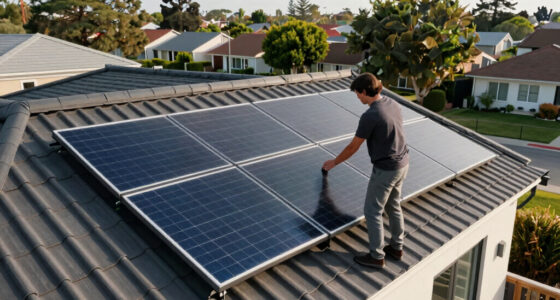
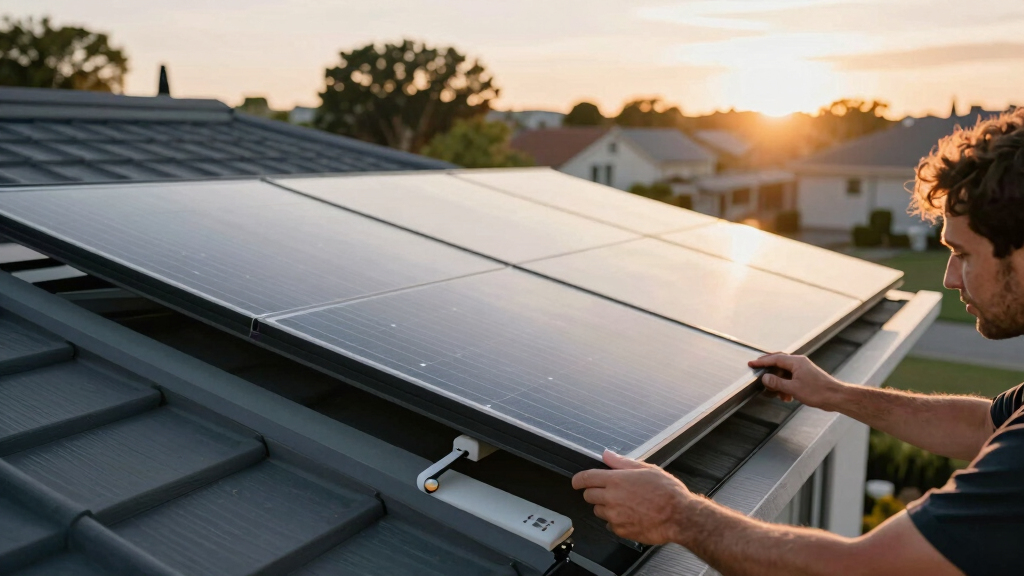
Tesla’s Solar Roof project has been effectively discontinued, with the company now prioritizing traditional solar panels. Deployment numbers are minimal, and customer support is strained, signaling a strategic pivot away from solar tiles.
Tesla has effectively ceased its Solar Roof program, redirecting resources toward traditional solar panels, as the company’s Solar Roof deployment has fallen drastically and customer support issues have increased.
Since its launch in 2016, Tesla’s Solar Roof has failed to meet its ambitious production targets, with only about 3,000 systems installed in the US through early 2023, far below the 1,000-per-week goal set by Elon Musk. The company stopped reporting solar deployment figures entirely in early 2024, and its marketing efforts have largely disappeared from public channels. Tesla’s Solar Roof has faced persistent customer service complaints, including long wait times, service delays, and unresolved issues, compounded by layoffs in the solar division. The product’s high cost—averaging around $106,000 before incentives—compared to traditional panels, and technical limitations such as reliance on string inverters, have further diminished its viability. Tesla’s recent product announcements and marketing focus on conventional solar panels, such as the TSP-420, suggest a strategic shift away from solar tiles.
Why It Matters
This shift signifies a major change in Tesla’s energy strategy, highlighting the challenges of integrating solar tiles into mainstream residential solar. It underscores the failure of a high-profile product to achieve commercial success, raising questions about the company’s future solar ambitions and the viability of innovative roofing solutions in the industry. For consumers, it indicates a move toward more reliable, cost-effective solar options, but also leaves existing Solar Roof owners with unresolved issues and limited support.
As an affiliate, we earn on qualifying purchases.
Background
Tesla unveiled the Solar Roof in 2016, promising a revolutionary product that would seamlessly replace traditional roofing with integrated solar tiles. Despite high-profile announcements and ambitious goals, production lagged, and deployment remained minimal. Tesla acquired SolarCity partly to accelerate this vision, but actual deployment never approached targets. The company’s solar division has faced operational difficulties, including technical limitations, customer service problems, and a declining market share. By early 2024, Tesla had ceased reporting Solar Roof deployment figures and shifted marketing efforts elsewhere, signaling a de-prioritization of the product.
“Tesla has shifted focus to traditional solar panels and no longer emphasizes Solar Roof in our marketing and product offerings.”
— Tesla spokesperson (unattributed in public reports)
“Tesla’s Solar Roof has been a commercial failure relative to initial expectations, with deployment numbers far below targets and ongoing customer service issues.”
— Industry analyst (source: market research reports)
As an affiliate, we earn on qualifying purchases.
What Remains Unclear
It remains unclear whether Tesla will entirely abandon solar tiles or develop a new, improved version in the future. The company’s exact internal plans and investment levels for solar roofing are not publicly confirmed, and the long-term viability of the current pivot is uncertain.
As an affiliate, we earn on qualifying purchases.
What’s Next
Next steps include Tesla’s introduction of the TSP-420 panel with advanced power optimization technology, indicating a focus on conventional panels. The company may also clarify its long-term strategy regarding solar roofing products in upcoming earnings calls or product announcements. Monitoring Tesla’s marketing and deployment data will reveal whether the shift is temporary or permanent.
As an affiliate, we earn on qualifying purchases.
Key Questions
Why did Tesla stop reporting Solar Roof deployment numbers?
Tesla ceased reporting deployment figures in early 2024, likely due to the extremely low deployment rate and strategic shift away from the product, making the figures less relevant to their overall energy business.
Will Tesla develop a new version of the Solar Roof?
There is no official confirmation, but current actions suggest Tesla is not prioritizing new solar tile development and is instead focusing on traditional panels like the TSP-420.
What are the main issues with Tesla’s Solar Roof?
Technical limitations such as reliance on string inverters, high costs, customer service problems, and underperformance compared to expectations have hampered the product’s success.
How does this affect existing Solar Roof owners?
Owners face ongoing support challenges, unresolved technical issues, and limited options for upgrades or repairs, as Tesla has largely exited direct installation and support for Solar Roofs.
What does this mean for Tesla’s overall energy strategy?
The company appears to be shifting focus toward more conventional, cost-effective solar solutions, emphasizing reliability and scalability over innovative roofing products.
Halloween Picks
halloween
As an affiliate, we earn on qualifying purchases.