
The key to making big tasks feel smaller is using timeboxing, where you assign fixed time blocks to each task. This creates a sense of urgency, helps you focus, and breaks down large projects into manageable pieces. By setting clear limits, you prevent tasks from expanding and make steady progress. If you keep practicing, you’ll discover how this simple trick boosts your productivity and reduces overwhelm—plus, there’s more tips to master this technique effectively.
Key Takeaways
- Break large tasks into smaller, time-limited segments to create a sense of manageable progress.
- Use fixed timeboxes to establish clear boundaries, reducing overwhelm and increasing focus.
- Schedule regular review sessions to adjust goals and maintain momentum, making big tasks feel more achievable.
- Set specific, realistic time limits for each part to prevent tasks from seeming insurmountable.
- Celebrate completing each timebox to boost motivation and reinforce the perception of progress.

Rotating Pomodoro Timer 5, 25, 10 50 Minutes Preset, Desk Productivity Flip Timer, ADHD Tool Cube Countdown Stopwatch, Vibration/High/Low Volume/Custom Modes, for Work, Study, Back to School, Kitchen
A Real Pomodoro Task Timer. The pomodoro technique is a time management method based on 25-minute stretches of…
As an affiliate, we earn on qualifying purchases.
As an affiliate, we earn on qualifying purchases.
What Is Timeboxing and How Can It Help You Tackle Big Tasks?

Timeboxing is a productivity technique that involves setting fixed, dedicated periods of time to work on specific tasks. It helps you break down big projects into manageable chunks, making them less overwhelming. By using methods like the Pomodoro Technique—which typically involves 25-minute work sessions—you can stay focused and maintain momentum. Prioritization Strategies come into play by helping you decide which tasks deserve your limited time, ensuring you tackle the most important ones first. This approach minimizes procrastination and keeps you on track, giving you a clear structure. When you allocate specific time slots, you create a sense of urgency that encourages you to work efficiently. Additionally, task management tools can enhance your ability to organize and stick to your timeboxes effectively. Incorporating time management techniques can further optimize your productivity and help you develop consistent work habits. Moreover, establishing boundaries during your designated work periods prevents distractions from derailing your focus. Overall, timeboxing transforms big tasks into smaller, achievable goals, boosting your productivity and reducing stress. Effective home soundproofing techniques can also help create a quieter environment, making it easier to concentrate during your dedicated work periods.

TIMEBOXING PLANNER – Planning That Drives Doing | Activates Action Gear for High Focus & Getting Things Done | Undated Daily Productivity, Goals & Focus Planner | 7×9 Spiral
How It Works: Planning That Drives Doing — In 3 Simple Steps 1. Decide what matters most -…
As an affiliate, we earn on qualifying purchases.
As an affiliate, we earn on qualifying purchases.
How to Implement Timeboxing Effectively in Your Workflow
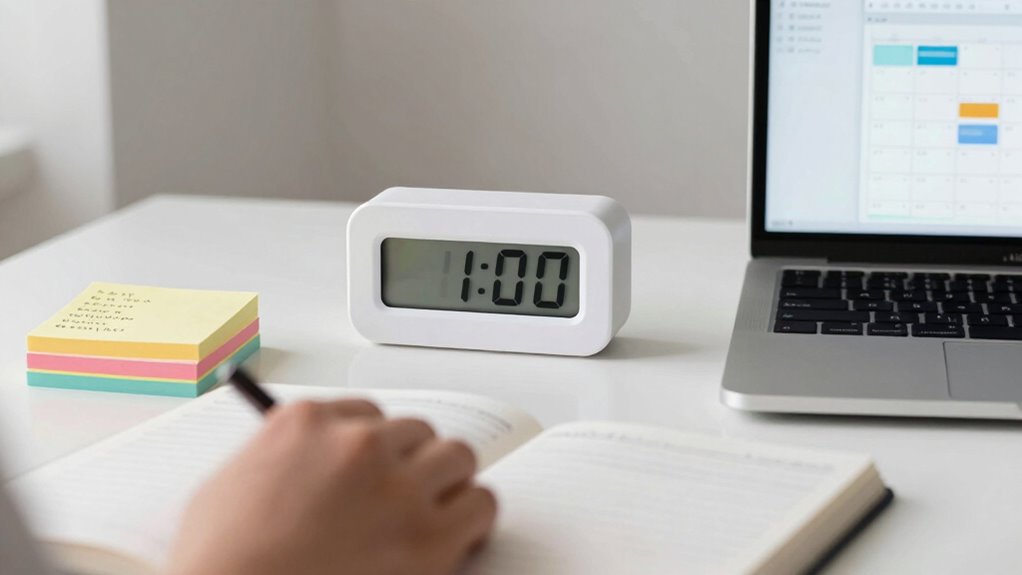
Implementing timeboxing effectively requires setting up a clear plan and sticking to it. First, establish your prioritization strategies to identify which tasks deserve dedicated time slots. Use productivity tools like calendars or timers to schedule your timeboxes precisely. Second, break larger tasks into smaller, manageable chunks, assigning each a specific time block to prevent overwhelm. Third, regularly review and adjust your timeboxes to stay aligned with your goals and workload. This continuous refinement helps maintain focus and efficiency. Additionally, understanding the importance of task segmentation can help distribute workload evenly. Recognizing how consistent scheduling influences productivity can further enhance your time management. Incorporating AI-driven planning tools can also help optimize your schedule based on your habits and priorities. Being aware of mental health benefits associated with structured routines can motivate you to stick to your plan. Furthermore, adopting structured routines can reduce decision fatigue and improve overall well-being. By combining prioritization strategies with reliable productivity tools, you verify your timeboxing remains consistent and effective. Staying disciplined with your schedule allows you to maximize your productivity and make big tasks feel smaller and more manageable.

Visual Timer with Planning Board, ADHD Task Timer, Daily Chore Board-Checklist for Autism,ADHD Tools with Checklist for Kids & Adults for Homeschool Supplies, Home, School (White)
【Focused Learning with Noiseless Design】Task Timer is a visual clock designed specifically for 8-12-year-old ADHD patients and special…
As an affiliate, we earn on qualifying purchases.
As an affiliate, we earn on qualifying purchases.
Real-Life Timeboxing Success Stories

Many professionals have transformed their productivity by adopting timeboxing strategies, turning busy days into focused, goal-oriented sessions. These productivity hacks help break down overwhelming tasks, making them feel more manageable. For example, one project manager used timeboxing to allocate specific periods for planning, executing, and reviewing tasks, which boosted her efficiency and reduced procrastination. Another success story involves a freelance writer who overcame mental barriers by setting strict time limits, preventing perfectionism from stalling progress. These real-life examples show that timeboxing can turn big, intimidating projects into smaller, achievable parts. By consistently applying this technique, you can build momentum, stay on track, and conquer mental barriers that typically hinder productivity. Incorporating time management techniques like timeboxing into your routine can further enhance your ability to stay focused and organized. Additionally, understanding the importance of collaboration and empathy in planning can help you better align tasks with team goals. Recognizing how tools and technology can support your timeboxing efforts makes it even easier to stay disciplined and motivated. Using home automation devices to set reminders or control your work environment can further improve your focus and efficiency. Embracing visualization techniques can also help in planning and maintaining motivation throughout your tasks. Timeboxing truly makes big tasks feel smaller and more doable.

GANAZONO Noise Cancelling Soft Foam for Rest Concentration Work Comfortable Soundproofing with Replacement Pads and Storage Box Hearing Protection and Noise Reduction for Napping and Focus
Advanced noise reduction: these are equipped with noise reduction technology, blocking out external sounds for a quiet study…
As an affiliate, we earn on qualifying purchases.
As an affiliate, we earn on qualifying purchases.
Common Mistakes to Avoid When Using Timeboxing
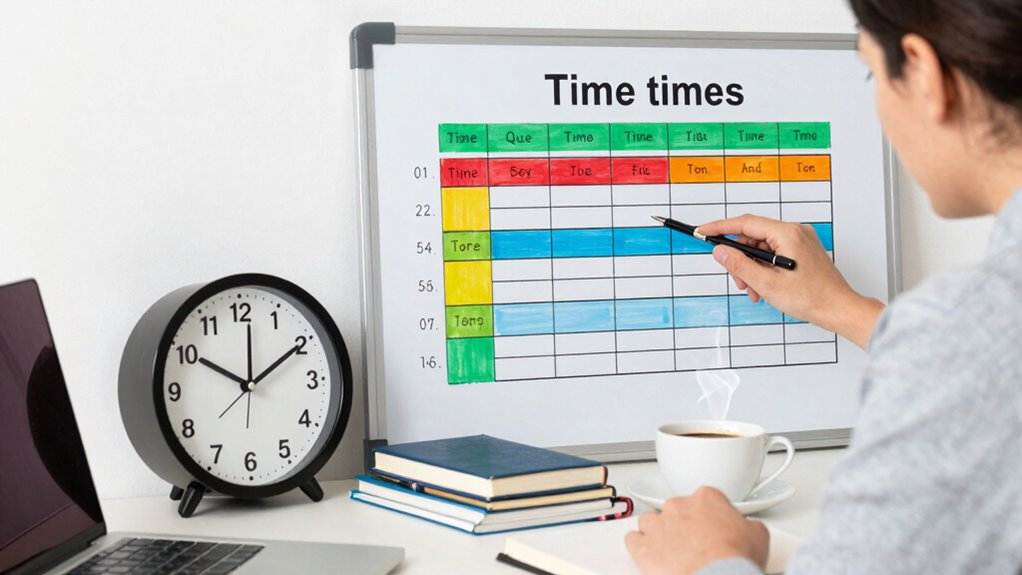
One common mistake is overloading your timeboxes with too many tasks, which makes it difficult to stay focused and complete anything effectively. This often leads to overconfidence pitfalls, where you underestimate how long tasks really take. Additionally, sticking to rigid scheduling can cause frustration if unexpected issues arise. To avoid these mistakes, consider setting realistic expectations about task durations and maintaining flexibility to adapt your schedule as needed. Incorporating aquatic exercise principles, such as pacing yourself and allowing for adjustments, can help improve your time management and reduce stress. Recognizing the importance of accessibility features can also support a more adaptable and inclusive approach to task planning. Furthermore, understanding sound healing science can help you create a more calming and focused work environment, enhancing your overall productivity. Also, exploring precious metals IRA options can provide a stable investment avenue to diversify your financial planning while managing your workload effectively.
Proven Tips to Stay Consistent With Timeboxing Long-Term

Staying consistent with timeboxing over the long term requires deliberate effort and strategic habits. To build this consistency, focus on habit formation by integrating timeboxing into your daily routine until it becomes automatic. Use motivational strategies like setting small, achievable goals and tracking your progress to stay encouraged. Remind yourself of the benefits, such as reduced stress and increased productivity, to maintain motivation. Establish clear cues, like preparing your workspace or reviewing your plan each morning, to trigger your timeboxing habit. Celebrate your successes, no matter how minor, to reinforce positive behavior. Additionally, exploring luxury lifestyle products can enhance your environment and motivate you to maintain disciplined routines. Recognizing common goal tracking pitfalls and actively working to avoid them can further improve your success. Incorporating habit stacking techniques can also facilitate the integration of timeboxing into your existing routines. Developing a consistent routine helps reinforce your commitment, making it easier to stick with timeboxing consistently and turn it into an ingrained part of your workflow. For example, setting a regular review session each week can help you adjust and stay aligned with your goals.
Frequently Asked Questions
How Do I Choose the Right Timebox Length for Different Tasks?
To choose the right timebox length, start with task prioritization by evaluating how complex or urgent each task is. For simpler tasks, use shorter durations like 15-30 minutes, while more complex tasks might need 1-2 hours. Experiment with different durations to find what keeps you focused without feeling overwhelmed. Adjust the ideal duration based on your progress and workload, ensuring you stay productive and motivated.
Can Timeboxing Be Effective for Creative or Unpredictable Projects?
Did you know that 78% of successful creatives embrace timeboxing? It can be effective for unpredictable projects because it introduces creative constraints that foster innovation without sacrificing flexibility. By setting short, focused timeboxes, you challenge yourself to produce within limits, which helps manage flexibility challenges. This approach keeps ideas flowing and prevents overthinking, making even unpredictable tasks more manageable and keeping your creative energy high.
What Tools or Apps Are Best for Implementing Timeboxing?
You can use digital timers or project management apps like Trello, Asana, or Toggl to implement timeboxing effectively. Digital timers help you stay on track by setting specific limits for tasks, while project management apps let you allocate time blocks to different activities, monitor progress, and stay organized. Both tools make it easier to stick to your schedule, ensuring you manage big or unpredictable projects more efficiently.
How Do I Handle Interruptions During a Timeboxed Session?
Don’t let distractions derail your focus. When interruptions happen, quickly acknowledge them, then gently redirect your attention back to your timebox. Use distraction management techniques like keeping a distraction list or setting boundaries with colleagues. Focus reinforcement is key—remind yourself of your goals, and reset your timer if needed. Staying disciplined helps you maintain momentum and maximize productivity during your dedicated work sessions.
Is Timeboxing Suitable for Team Collaboration or Only Individual Work?
You can definitely use timeboxing for team collaboration. It promotes team synchronization by setting clear time limits for discussions and tasks, ensuring everyone stays focused. During collaborative planning, timeboxing helps keep meetings efficient and productive. By allocating specific periods for different topics, your team can stay on track, make quick decisions, and respect everyone’s time. It’s a flexible method that encourages discipline and keeps projects moving forward smoothly.
Conclusion
Embrace timeboxing like a trusty compass, guiding you through your busy day. When big tasks seem overwhelming, break them into bite-sized chunks and set your timer. With each tick, watch those intimidating mountains shrink into manageable hills. Stay steady, keep the rhythm, and soon you’ll find your workload dancing smoothly to your beat. Timeboxing isn’t just a trick—it’s your secret weapon to conquer chaos and turn big dreams into achievable steps.