
TL;DR
Snøhetta’s Theodore Roosevelt Presidential Library opened on July 4, 2026, beside Theodore Roosevelt National Park. The building integrates local materials, prairie landscapes, and sustainable design to honor Roosevelt’s conservation legacy. The project aims to connect visitors with the land that shaped Roosevelt’s environmental ethos.
Snøhetta’s Theodore Roosevelt Presidential Library officially opened on July 4, 2026, beside Theodore Roosevelt National Park in North Dakota. The 95,000-square-foot building is designed to reflect Roosevelt’s deep connection to the land and his conservation legacy, with a prairie-inspired roof and sustainable materials. The opening coincides with the 250th anniversary of the United States and aims to celebrate Roosevelt’s role in shaping American conservation efforts.
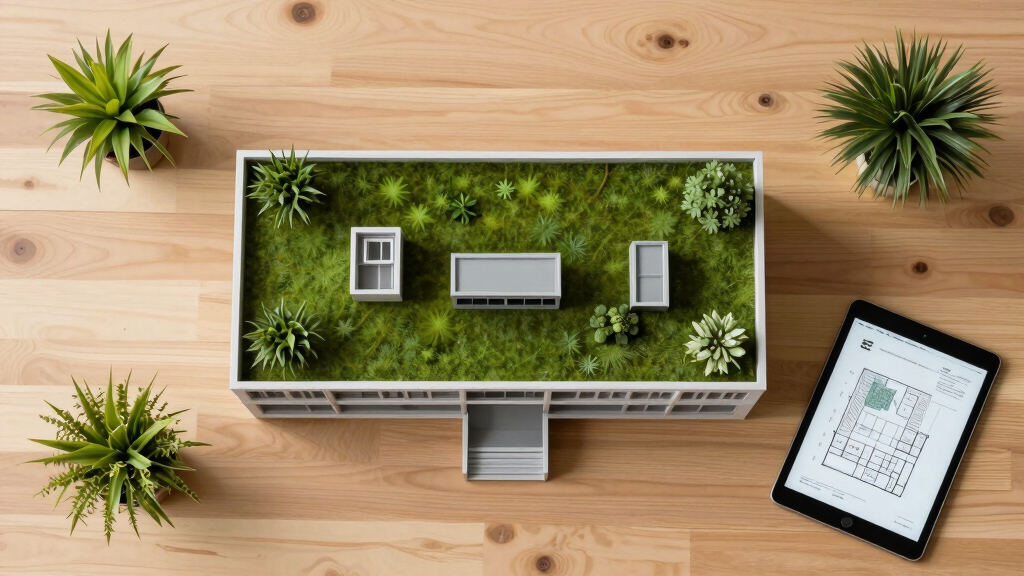
The library is situated on a 93-acre site adjacent to the national park and is expected to attract over 200,000 visitors annually. It features a mass timber structure, rammed earth walls made from locally sourced soil, and a sweeping green roof that extends across a living prairie. Architecturally, the building rises from a butte, integrating seamlessly with the landscape, with a nearly mile-long elevated boardwalk that traverses the restored prairie and offers views of the Badlands.
Snøhetta served as the design architect, landscape architect, and interior designer, emphasizing the concept that ‘The Library is the Landscape.’ The design includes outdoor classrooms, reflective spaces, and an overlook that extends into the open air, encouraging visitors to experience the land as Roosevelt did. The library is also the first presidential library accessible via hiking trails, horseback, mountain biking, and vehicle, emphasizing the journey as part of the experience.
Architectural and Cultural Impact of the Library
The library’s design embodies a commitment to sustainability, local materials, and landscape integration, aligning with Roosevelt’s conservation values. Its accessibility by multiple modes of arrival reflects a shift toward experiential engagement with history and nature. The project also emphasizes environmental restoration, aiming for full Living Building certification and high sustainability standards, making it a model for future cultural institutions rooted in land stewardship.

SHULOOK Men's Waterproof Hiking Shoes Lightweight Anti Slip Outdoor Ankle Boots Breathable Hike Trekking Trails Shoe Black/Red 10.5
- Material: Premium suede and mesh construction
- Waterproofing: SL-TEX waterproof membrane
- Weight: Ultra-light at 1.2lb
As an affiliate, we earn on qualifying purchases.
As an affiliate, we earn on qualifying purchases.
Historical and Environmental Context of the Project
Theodore Roosevelt’s time in the Dakota Territory in the 1880s profoundly shaped his conservation policies. His efforts led to the protection of approximately 230 million acres of public land, establishing national forests and wildlife refuges. The new library’s location and design pay homage to this legacy, situating the visitor within the landscape that influenced Roosevelt’s environmental ethic. The project reflects ongoing efforts to reconnect cultural memory with ecological restoration in the American West.
“Every path, every view, and every material decision is designed to deepen the connection between people and place.”
— an anonymous researcher
Mastering Mountain Bike Skills
- Content Overview: Includes description, table of contents, excerpts, quotes, and author information
As an affiliate, we earn on qualifying purchases.
As an affiliate, we earn on qualifying purchases.
Uncertainties Surrounding the Library’s Long-Term Sustainability
While the project aims for full Living Building certification and high sustainability standards, it is not yet confirmed if all certification goals will be achieved within the projected timeline. Details about ongoing environmental management practices and visitor engagement strategies remain to be fully disclosed as the library begins operation.

Moyel 3 Pack Horse Riding Knee High Socks for Girls Women
- Soft & Breathable Material: Made with cotton, acrylic, and spandex
- Moisture-Wicking & Scratch-Resistant: Keeps feet dry and comfortable
- Fun Equestrian Design: Horse-themed patterns for style
As an affiliate, we earn on qualifying purchases.
As an affiliate, we earn on qualifying purchases.
Future Plans and Visitor Engagement Strategies
In the coming months, the focus will shift to opening the facility to the public, with efforts to monitor sustainability performance and visitor experience. Additional programs, educational initiatives, and land management practices will likely be introduced to deepen engagement with Roosevelt’s conservation legacy and the landscape itself.

Nanobag Daypack 16L Ultralight Packable Foldable Travel Backpack for Hiking
- Lightweight Design: Weighs only 1.15 oz for easy carrying
- Large Capacity: Provides 16 liters of storage space
- Packable and Foldable: Stuffs into its pouch without folding
As an affiliate, we earn on qualifying purchases.
As an affiliate, we earn on qualifying purchases.
Key Questions
What makes the Theodore Roosevelt Library unique among presidential libraries?
The library is the first presidential library designed to be accessible via hiking, biking, horseback riding, and driving, emphasizing a direct connection to the landscape that influenced Roosevelt’s conservation ethic.
What sustainable features does the library include?
The building incorporates mass timber, reclaimed regional wood, rammed earth walls from local soil, and aims for full Living Building certification, emphasizing zero energy, water, emissions, and waste.
How does the design reflect Roosevelt’s environmental legacy?
The architecture and landscape design integrate prairie and Badlands elements, using local materials and restoration efforts to create a living, evolving ecosystem that embodies Roosevelt’s conservation principles.
When will the library be fully operational and open to visitors?
The library officially opened on July 4, 2026. Ongoing programming and operational details are expected to be announced in the coming months.
Source: designboom