
TL;DR

Get the latest gadgets delivered free — and shop member deals
- Fast, free delivery on millions of items
- Access to Prime Big Deal Days deals on October 6–7
- Prime Video, Amazon Music and more included
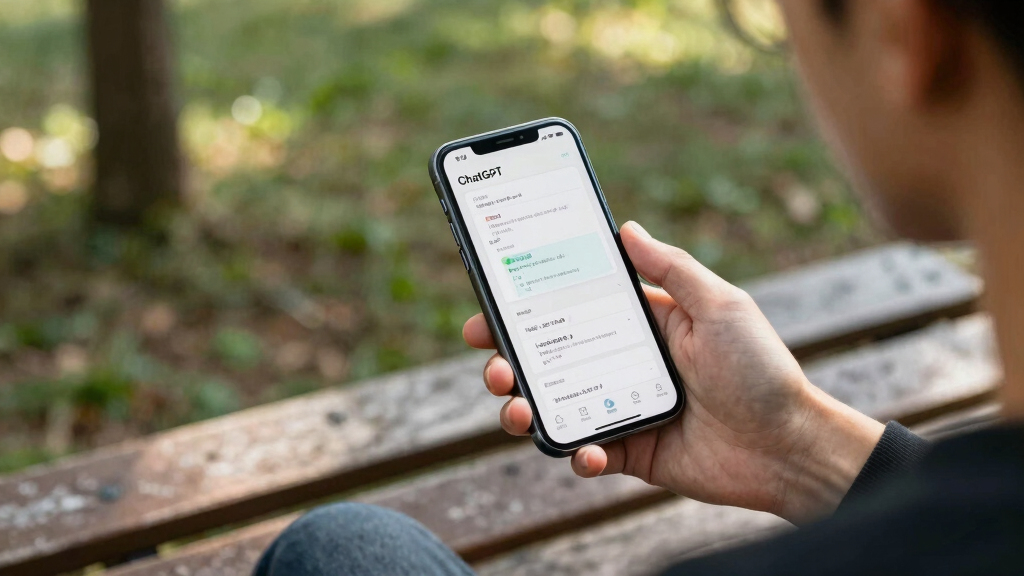
OpenAI has introduced Codex, its AI coding tool, into the ChatGPT mobile app. This allows users to remotely interact with Codex on their desktops from their phones, enhancing productivity and control. The feature is now available as a preview on iOS and Android for all ChatGPT plans.
OpenAI has launched a new feature in the ChatGPT mobile app that allows users to access and control its Codex AI tool remotely from their smartphones, marking a significant expansion of its mobile capabilities.
The integration enables users to send commands to Codex on their desktop computers directly from their mobile devices, including reviewing outputs, approving commands, and managing models. According to a blog post from OpenAI, the feature maintains local security by keeping files, credentials, and permissions on the user’s machine, while real-time updates such as screenshots, terminal outputs, and test results are streamed back to the phone.
This new functionality is available as a preview on both iOS and Android platforms for all ChatGPT plans, including free and paid tiers. The rollout indicates OpenAI’s focus on making its AI tools more accessible and controllable via mobile devices, aligning with broader trends in remote AI management and productivity enhancement.
Why It Matters
This development matters because it enhances the usability and accessibility of OpenAI’s Codex, a powerful AI tool capable of writing code and controlling applications. By enabling remote control via smartphones, OpenAI is expanding the practical applications of its AI, potentially increasing productivity for developers, IT professionals, and users managing complex workflows. It also signals a strategic move to integrate AI more deeply into mobile ecosystems, which could influence how AI tools are adopted in enterprise and consumer settings.
remote coding control app for smartphones
As an affiliate, we earn on qualifying purchases.
As an affiliate, we earn on qualifying purchases.
Background
OpenAI has been actively developing and expanding Codex, especially after its recent update that allows it to operate apps on macOS, part of its broader goal to create a desktop ‘superapp.’ The company’s focus on enterprise AI solutions and the rise of competitors like Anthropic’s Claude Code have pushed OpenAI to accelerate features that improve user interaction and control. The introduction of Codex in the mobile app follows a pattern of making AI tools more flexible, portable, and user-friendly, especially amid increasing demand for remote and on-the-go AI capabilities.
“With your phone, you can ‘work across all of your threads, review outputs, approve commands, change models, or start something new’ in Codex.”
— OpenAI blog
AI coding assistant for mobile devices
As an affiliate, we earn on qualifying purchases.
As an affiliate, we earn on qualifying purchases.
What Remains Unclear
It is not yet clear how widely adopted this feature will become or how it will perform in different use cases. The rollout is currently in preview, and further details about user feedback, security implications, and potential limitations are still emerging.
mobile app for managing AI code projects
As an affiliate, we earn on qualifying purchases.
As an affiliate, we earn on qualifying purchases.
What’s Next
OpenAI is expected to gather user feedback during the preview phase, which could influence further development and broader deployment. Future updates may include expanded functionalities, improved security, and integration with additional platforms or services.
smartphone remote desktop control tools
As an affiliate, we earn on qualifying purchases.
As an affiliate, we earn on qualifying purchases.
Key Questions
What is Codex and what can it do?
Codex is an AI tool developed by OpenAI capable of writing code, controlling applications, and automating tasks on a computer.
How does the mobile integration work?
Users can send commands and review outputs from their smartphones, with real-time updates streamed from their desktop where Codex operates, while keeping sensitive data local.
Is this feature available to all users?
Yes, it is currently rolling out as a preview on iOS and Android for all ChatGPT plans, including free and paid options.
When will this feature be fully available?
OpenAI has not specified a timeline for full release, but further updates are expected after the preview phase based on user feedback.
Are there any security concerns?
OpenAI states that files, credentials, and permissions stay on the user’s machine, with real-time updates flowing back, but comprehensive security assessments are still underway.
Fall Picks
fall essentials
As an affiliate, we earn on qualifying purchases.