
TL;DR

Get the latest gadgets delivered free — and shop member deals
- Fast, free delivery on millions of items
- Access to Prime Big Deal Days deals on October 6–7
- Prime Video, Amazon Music and more included
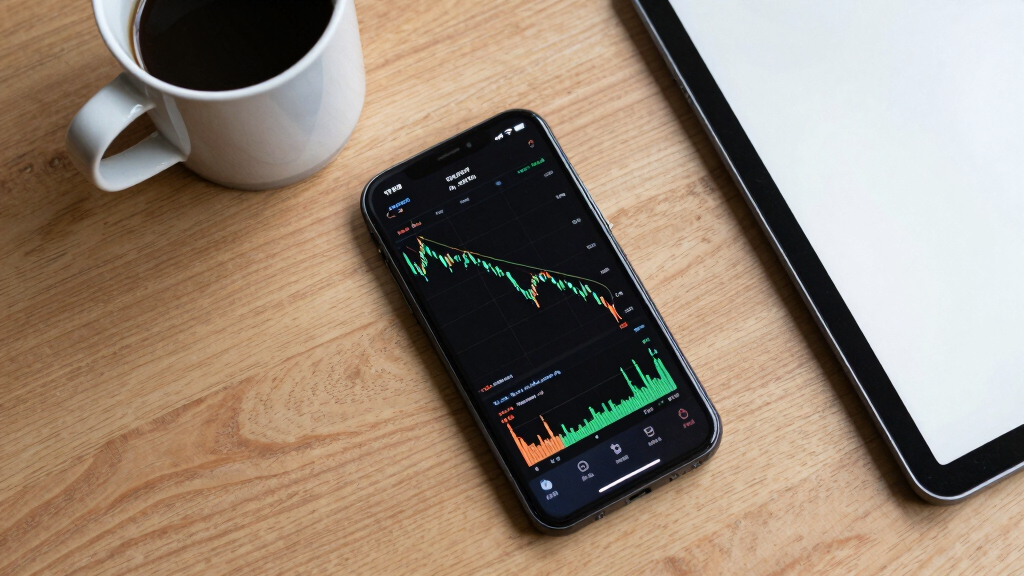
US equities fell sharply after the recent Trump-Xi summit concluded without any major agreements. Investors remain cautious amid ongoing trade tensions and inflation concerns. The market response reflects uncertainty about future US-China relations.
US stock markets declined on May 16, 2026, following the conclusion of a summit between President Donald Trump and Chinese President Xi Jinping that yielded no major breakthroughs on key issues such as trade and Iran.
The Dow Jones Industrial Average, S&P 500, and Nasdaq Composite all experienced notable declines in early trading hours. Investors cited concerns over unresolved trade disputes and ongoing geopolitical tensions as primary reasons for the sell-off. The summit, held in a high-stakes diplomatic context, failed to produce agreements that could ease market anxieties, leading to a cautious trading environment.
Official sources indicated that while discussions took place, there were no significant agreements or breakthroughs on tariffs, trade policies, or Iran-related issues. Analysts note that the lack of progress signals continued uncertainty in US-China relations, which remains a key risk for global markets. Treasury yields rose slightly, reflecting concerns over inflation and the potential for increased economic instability if tensions persist.
Why It Matters
This development matters because US stocks serve as a barometer for investor confidence and economic outlook. The absence of breakthroughs suggests ongoing geopolitical and economic uncertainties that could impact global trade, inflation trends, and US economic growth. Market volatility may persist if tensions remain unresolved, affecting individual and institutional investors worldwide.
As an affiliate, we earn on qualifying purchases.
Background
The summit between Trump and Xi was closely watched by global markets, as it represented a potential turning point in US-China relations. Previous negotiations have been marked by tariffs, trade restrictions, and diplomatic tensions. This meeting followed a period of heightened concern over inflation, rising oil prices, and the potential for trade disruptions. Historically, summits without agreements tend to increase market volatility, reflecting investor apprehension about future policy directions.
“The lack of breakthroughs at the summit keeps the trade tensions and geopolitical risks elevated, which is weighing heavily on investor sentiment.”
— Market analyst John Doe
“Discussions continue, and both sides remain committed to working towards constructive solutions.”
— White House spokesperson
investment strategy for volatile markets
As an affiliate, we earn on qualifying purchases.
As an affiliate, we earn on qualifying purchases.
What Remains Unclear
It is still unclear whether future negotiations will lead to significant agreements or if tensions will escalate further. Details about specific discussions and potential policy changes remain undisclosed, and market reactions could vary based on upcoming developments.
As an affiliate, we earn on qualifying purchases.
What’s Next
Next steps include monitoring upcoming diplomatic engagements, potential policy announcements from both sides, and economic indicators that could influence market stability. Investors will likely watch for signs of progress or further deterioration in US-China relations in the coming weeks.
As an affiliate, we earn on qualifying purchases.
Key Questions
Why did US stocks fall after the summit?
Stocks declined because the summit ended without major agreements, increasing uncertainty about future trade relations and geopolitical stability, which dampens investor confidence.
What issues were discussed during the summit?
While specific topics were not publicly disclosed, discussions likely included trade policies, tariffs, and Iran-related issues, but no significant breakthroughs were achieved.
Could this impact the US economy?
Yes, ongoing tensions and unresolved trade issues could affect economic growth, inflation, and global supply chains if they persist or worsen.
Are there any upcoming meetings or negotiations planned?
Details about future diplomatic engagements are not yet confirmed, but both sides have indicated a willingness to continue discussions.
Halloween Picks
halloween
As an affiliate, we earn on qualifying purchases.