
TL;DR

Get the latest gadgets delivered free — and shop member deals
- Fast, free delivery on millions of items
- Access to Prime Big Deal Days deals on October 6–7
- Prime Video, Amazon Music and more included
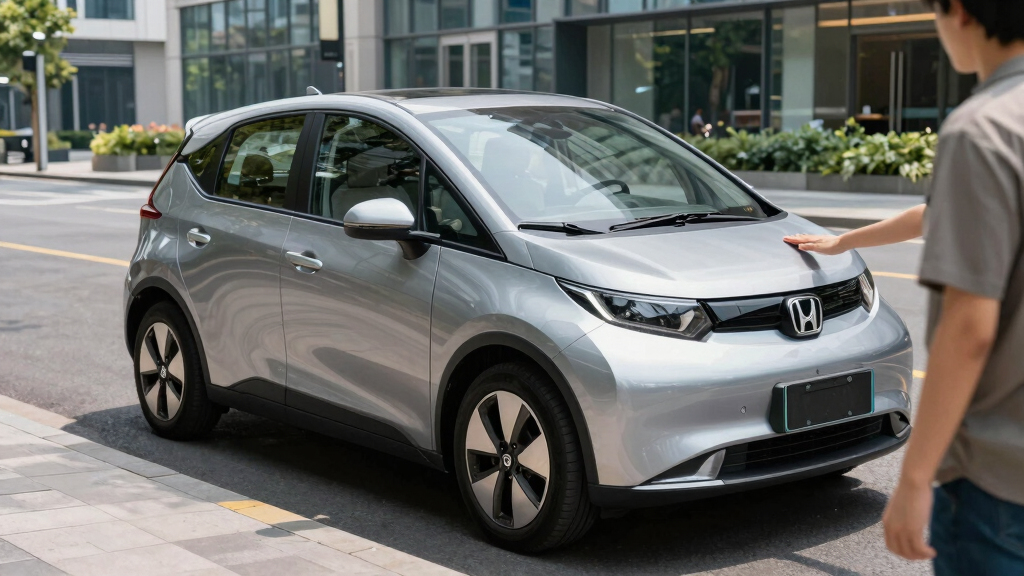
Honda has announced it will reduce its aggressive EV expansion plans due to financial challenges. The company expects to return to profit in FY26 after posting its first loss since listing, driven by EV-related losses. The shift marks a fundamental change in Honda’s strategy.
Honda Motor has announced it will significantly scale back its aggressive electric vehicle (EV) expansion plans, citing a changing business environment and financial challenges. The company now aims to return to profitability in the fiscal year ending March 2027, despite posting its first net loss since listing in the previous year due to EV-related losses.
Honda stated on Thursday that it projects a net profit of 260 billion yen ($1.65 billion) for FY26, marking a turnaround from its recent losses. The company reported a net loss for the previous fiscal year, its first since going public, mainly attributable to costs associated with its EV development and production. This strategic shift involves reducing investment in new EV models and re-evaluating its overall approach to electric vehicles.
The company’s leadership indicated that the earlier aggressive EV push, initiated in 2021 under President Toshihiro Mibe, was driven by industry trends and regulatory pressures but has become unsustainable amid market uncertainties and financial pressures. Honda’s revised strategy emphasizes profitability and sustainable growth over rapid expansion in EV offerings, including a focus on hybrid and fuel-cell technologies as part of its broader portfolio.
Why It Matters
This development is significant because Honda’s shift reflects broader industry challenges in transitioning to electric vehicles, especially for traditional automakers facing high costs and uncertain consumer demand. The move to scale back EV ambitions could influence competitors and signal a reassessment of EV investment strategies across the auto industry. For Honda, this pivot aims to stabilize finances and rebuild investor confidence after recent losses, impacting its long-term market positioning.
As an affiliate, we earn on qualifying purchases.
Background
Honda’s aggressive EV strategy was launched in 2021, with plans to introduce numerous new electric models and invest heavily in EV manufacturing capacity. However, mounting costs, supply chain disruptions, and market uncertainties have pressured the company’s finances. The announcement comes amid a global push for EV adoption, but also amid economic headwinds affecting automakers’ profitability. Honda’s decision to recalibrate its EV plans marks a notable shift from its previous ambitions, aligning with recent industry trends where some automakers are reevaluating their timelines and investment levels.
“We are adjusting our EV strategy to focus on sustainable profitability and long-term growth.”
— Honda spokesperson
“Our priority is to stabilize our business and return to profit, which requires strategic reassessment of our EV investments.”
— Toshihiro Mibe, Honda President
electric vehicle maintenance kit
As an affiliate, we earn on qualifying purchases.
As an affiliate, we earn on qualifying purchases.
What Remains Unclear
It remains unclear how long Honda will maintain its revised EV strategy, or whether further adjustments will be necessary if market conditions change. Details about specific new investment levels, model launches, or partnerships are still emerging, and the company has not yet provided a detailed roadmap for its future EV portfolio.
As an affiliate, we earn on qualifying purchases.
What’s Next
Honda is expected to release more detailed financial and strategic plans in its upcoming earnings reports. Monitoring the company’s investment levels, new model announcements, and market performance over the next fiscal year will be key to understanding how its revised strategy unfolds.
As an affiliate, we earn on qualifying purchases.
Key Questions
Why did Honda decide to scale back its EV plans?
Honda cited financial pressures, market uncertainties, and the high costs associated with EV development as reasons for re-evaluating its aggressive expansion strategy.
Will Honda still develop electric vehicles in the future?
Yes, Honda plans to continue developing EVs but with a more cautious approach focused on profitability rather than rapid expansion.
How will this affect Honda’s market position?
The shift may slow Honda’s growth in the EV segment in the short term but aims to stabilize its overall business and improve financial health, which could support long-term competitiveness.
What other technologies is Honda focusing on?
Honda continues to invest in hybrid and fuel-cell technologies as part of its broader sustainable mobility strategy.
Evergreen bestsellers Picks
bestsellers
As an affiliate, we earn on qualifying purchases.