
TL;DR

Get the latest gadgets delivered free with Prime
- Fast, free delivery on millions of items
- Prime Video, Amazon Music and more included
- Member-only deals all year
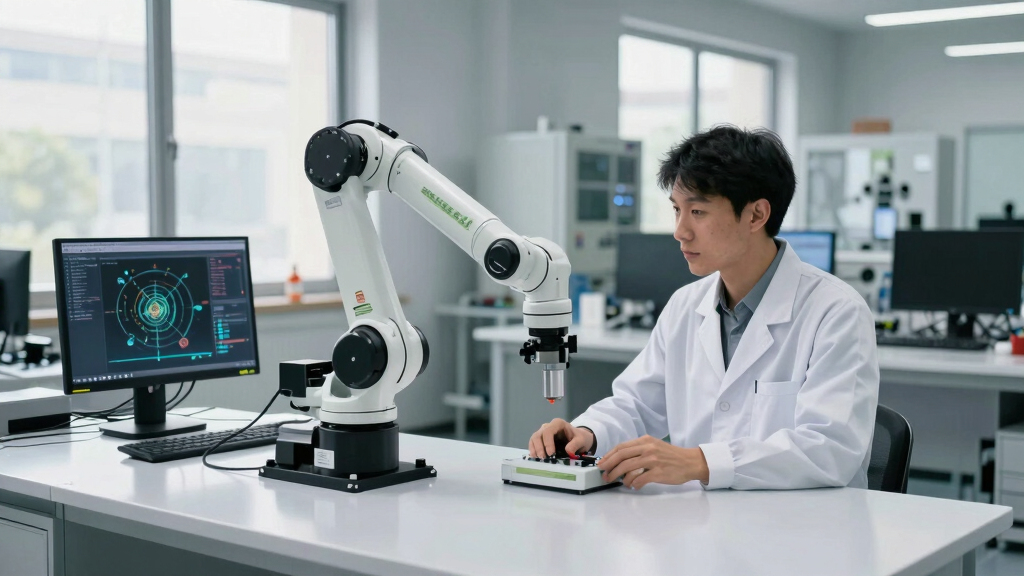
Kawasaki Heavy Industries is partnering with Nvidia to develop integrated robotics and physical AI solutions. The company is establishing a joint development center in Silicon Valley. This marks a significant step in advancing industrial robotics and AI integration.
Kawasaki Heavy Industries has announced a partnership with Nvidia to develop solutions that integrate physical artificial intelligence with robotics, including the opening of a joint development center in Silicon Valley.
The partnership aims to combine Kawasaki’s robotics expertise with Nvidia’s AI technology, focusing on creating more autonomous and intelligent industrial robots. The joint development center in Silicon Valley will serve as a hub for research and innovation, facilitating collaboration between the two companies. Kawasaki’s move aligns with broader industry trends toward deploying AI-enhanced automation in manufacturing and logistics sectors. The initiative also involves other industry players, such as Microsoft and Fujitsu, who are participating in similar joint development efforts, according to reports from Nikkei Asia.
Why It Matters
This collaboration signifies a strategic push toward integrating advanced AI with robotics, which could accelerate automation across industries. For Kawasaki, it represents a major step in modernizing its product offerings and maintaining competitiveness in the global robotics market. For Nvidia, partnering with established industrial firms expands its AI ecosystem beyond consumer and data center applications into industrial automation, potentially opening new revenue streams and technological leadership. The opening of a US-based center underscores the importance of Silicon Valley as a hub for innovation in AI and robotics, and may influence industry standards and practices worldwide.
As an affiliate, we earn on qualifying purchases.
Background
Kawasaki Heavy Industries has been active in robotics for decades, primarily serving industrial and transportation sectors. Nvidia has rapidly expanded its AI capabilities, especially in autonomous systems, with its GPU technology. The partnership follows a series of industry trends where major tech companies and automakers are investing heavily in physical AI and robotics to improve efficiency and safety. The move also reflects a broader industry shift toward deploying AI-driven automation solutions in manufacturing, logistics, and other sectors, with competitors and collaborators alike seeking to capitalize on AI’s transformative potential.
“Our partnership with Nvidia will enable us to develop next-generation robotics solutions that leverage physical AI, transforming industrial automation.”
— Kawasaki Heavy Industries spokesperson
“Collaborating with Kawasaki allows us to bring advanced AI capabilities into real-world industrial environments, accelerating innovation in robotics.”
— Nvidia representative
As an affiliate, we earn on qualifying purchases.
What Remains Unclear
It is not yet clear what specific products or applications will result from this partnership, nor the timeline for commercial deployment. Details about the scope and funding of the US development center remain undisclosed. The extent of involvement from other industry partners like Microsoft and Fujitsu is also still emerging.
As an affiliate, we earn on qualifying purchases.
What’s Next
Next steps include the formal launch of the joint development center in Silicon Valley, with initial projects expected to focus on autonomous robots and physical AI systems. Further announcements regarding specific products, timelines, and additional partners are anticipated in the coming months.
As an affiliate, we earn on qualifying purchases.
Key Questions
What specific products will Kawasaki develop with Nvidia?
The companies have not yet disclosed specific products; initial focus is on developing integrated AI-robotic systems for industrial use.
When will these AI-powered robots be available commercially?
There is no confirmed timeline yet. Development is ongoing, with commercial deployment likely several years away.
How does this partnership compare to other industry initiatives?
This move aligns Kawasaki with broader trends of integrating AI into robotics, similar to initiatives by other industrial giants collaborating with major tech firms.
What is the significance of opening a US-based development center?
The center positions Kawasaki and Nvidia at the heart of Silicon Valley’s innovation ecosystem, facilitating collaboration, talent acquisition, and faster development cycles.
Source: Nikkei Asia
Columbus Day / Indigenous Peoples' Day Picks
long weekend sales
As an affiliate, we earn on qualifying purchases.