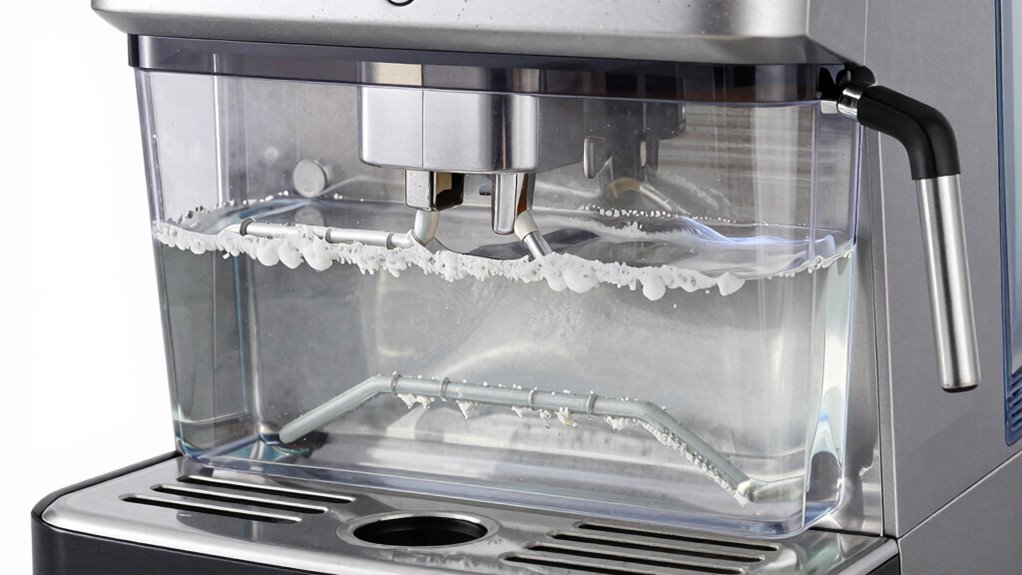

Descaling is the process of removing mineral buildup caused by hard water inside your appliances like coffee makers, kettles, and dishwashers. It’s essential because mineral deposits can clog parts, impair performance, and shorten their lifespan. How often you should descale depends on your appliance usage and water hardness, but generally every 1-3 months. Continuing to care for your devices can keep them running smoothly—if you want detailed steps and tips, keep exploring.
Key Takeaways
- Descaling removes mineral deposits from appliances caused by hard water, ensuring efficient operation and extending lifespan.
- Regular descaling prevents clogs, reduces energy use, and maintains optimal performance of water-based appliances.
- Signs like reduced water flow, longer heating times, and visible scale indicate it’s time to descale.
- Frequency depends on usage, water hardness, and appliance type; typically every 1-3 months for regular use.
- Using appropriate descaling products and following proper procedures help maintain appliance health and effectiveness.

Descaler (2 Pack, 2 Uses Per Bottle) – Made in the USA – Universal Descaling Solution for Keurig, Nespresso, Delonghi and All Single Use Coffee and Espresso Machines
2-Pack Coffee Descaler and Cleaner – Clean and rinse away residue and oil buildup in your coffee maker…
As an affiliate, we earn on qualifying purchases.
As an affiliate, we earn on qualifying purchases.
What Is Descaling and Why Is It Important for Your Appliances

Have you ever wondered why your coffee maker or kettle isn’t working as well as it used to? The answer often comes down to water quality. Over time, mineral deposits from hard water build up inside your appliances, reducing efficiency. Descaling is the process of removing these deposits, helping your appliances run smoothly. When you don’t descale regularly, mineral buildup can cause clogs and strain the internal components. This not only affects performance but also shortens your appliance’s lifespan. By descaling, you ensure water flows properly and your appliance stays in top condition. Regular descaling not only preserves your investment but also improves the taste of your drinks and maintains consistent performance. It’s a simple step that makes a significant difference in appliance longevity. Additionally, incorporating eco-friendly cleaning methods can help you maintain your equipment and ensure it lasts longer. Understanding the importance of appliance maintenance can further extend the life of your devices and keep them functioning at their best. Incorporating regular maintenance routines can help prevent unexpected breakdowns and costly repairs over time, especially when combined with awareness of water quality and its impact on appliance health.

NATRUTH 20 Packs Powerful Limescale Removal,Efficient Water Bottle Cleaning Tablets,Odor-Free KETTLE & Coffee Cup Cleaner Tablets,Descaler for Coffee Machine,Natural Stainless Steel Cup Cleaners
LIMESCALE REMOVAL- The limescale remover uses citric acid as the main ingredient,so it can quickly decompose and effectively…
As an affiliate, we earn on qualifying purchases.
As an affiliate, we earn on qualifying purchases.
How Mineral Buildup Damages Your Coffee Maker, Kettle, and Dishwasher
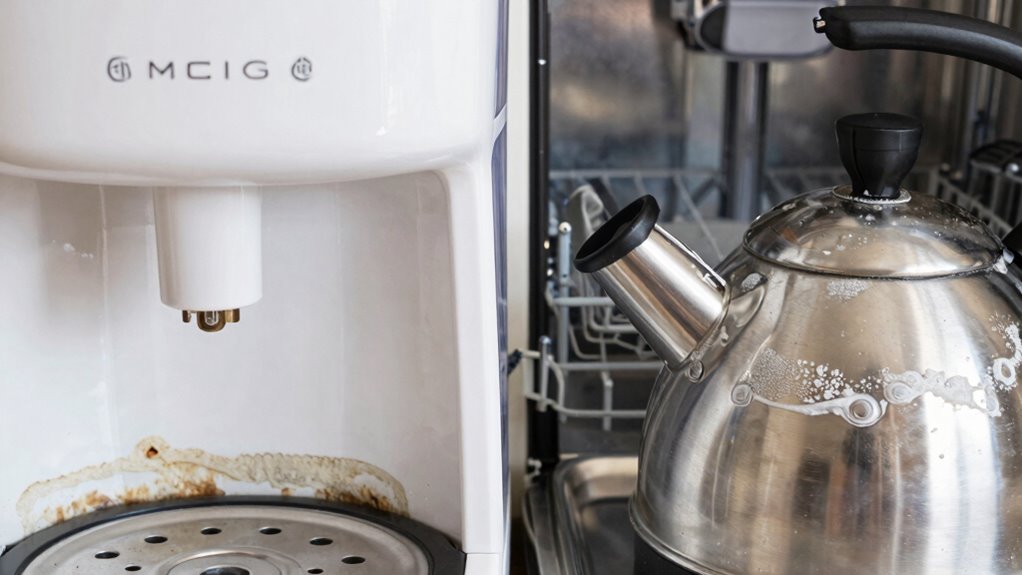
Mineral buildup from hard water can severely damage your coffee maker, kettle, and dishwasher by clogging their internal components. Mineral deposits, caused by scale formation, accumulate on heating elements and jets, reducing efficiency. Over time, these deposits insulate heating surfaces, forcing appliances to work harder and consume more energy. Scale formation can also block water flow, leading to uneven heating or poor cleaning performance. In coffee makers, mineral deposits can cause inconsistent brewing temperatures and even damage the heating coil. Kettles may develop hot spots, increasing the risk of cracks or leaks. Dishwashers with scale buildup may struggle to clean effectively and experience shortened lifespan. Regular descaling prevents these issues, ensuring your appliances operate efficiently and last longer. Understanding scale formation is important for maintaining your appliances’ longevity and performance. Additionally, water quality plays a crucial role in how quickly scale develops, highlighting the importance of water softening methods. Proper maintenance practices such as regular descaling help prevent excessive mineral buildup and extend appliance life. To further protect your appliances, considering water filtration systems can reduce mineral content in your water supply, minimizing scale buildup over time. Moreover, adopting preventative measures like using descaling solutions regularly can help maintain optimal appliance function.
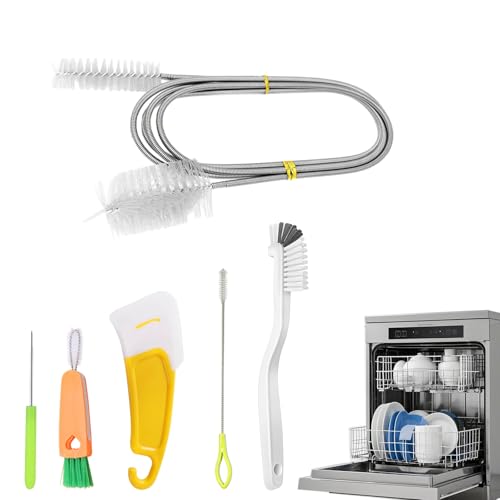
Dishwasher Cleaner Brush Kit – 6PCS Deep Cleaning Tools with Pick, Scraper, Straw Brush, Gap & Angle Brush, Flexible Tubes Brush for Spotless Dishwasher
Deep Clean Every Corner Tackle hidden grime with our 6-piece brush kit! Includes a pick, silicone scraper, straw…
As an affiliate, we earn on qualifying purchases.
As an affiliate, we earn on qualifying purchases.
How to Tell When Your Appliance Needs Descaling

When your appliances start to perform poorly, it’s a sign that they may need descaling. Mineral deposits from hard water build up over time, impairing efficiency and increasing energy use. To tell if your appliance needs attention, check for:
- Longer brewing or heating times
- Reduced water flow or pressure
- Unusual noises during operation
- Noticeable mineral deposits or scale buildup on surfaces
These signs indicate mineral deposits are interfering with appliance maintenance. Ignoring these symptoms can lead to breakdowns and costly repairs. Regularly inspecting and maintaining your appliances helps prevent buildup and keeps them running smoothly. Recognizing these cues early ensures you stay ahead of descaling needs, extending your appliance’s life and maintaining superior performance. Incorporating descaling routines into your maintenance schedule can also help prevent mineral buildup before it becomes a problem, saving you time and money. Additionally, understanding water hardness levels in your area can assist in anticipating when descaling might be necessary. Being aware of water quality can further help you determine the frequency of descaling needed for your appliances.

CLR Brands® Calcium, Lime & Rust Remover, Blasts Calcium, Dissolves Lime Deposits, Zaps Stubborn Rust Stains and Hard Water Deposits, 22 Ounce Spray Bottle (Pack of 1)
HUNDREDS OF USES – Easily tackle a variety of household cleaning jobs with an all in one cleaner…
As an affiliate, we earn on qualifying purchases.
As an affiliate, we earn on qualifying purchases.
How Often Should You Descale Your Appliances?

How often you need to descale your appliances depends on the type, how frequently you use them, and the signs you notice. Some devices require regular maintenance, while others need it only when you see buildup or performance issues. Paying attention to these factors helps keep your appliances running smoothly and efficiently. Additionally, understanding the essential home tips for maintenance can help prevent more serious problems down the line. Regularly inspecting your appliances and being aware of regional environmental factors can also influence how often descaling is necessary. Being mindful of water quality in your area can significantly impact how quickly mineral buildup occurs, reminding us that environmental awareness aligns with mindful maintenance practices.
Appliance Type Considerations
Have you ever wondered why some appliances need descaling more frequently than others? It all depends on the appliance type, water hardness, and appliance compatibility. For example, coffee machines and kettles are more prone to scale buildup because they heat water regularly. To keep them functioning efficiently, you should descale these appliances more often. Here are some considerations:
- Appliances with internal boilers or heating elements
- Devices used with hard water
- Machines with exposed water tanks
- Appliances sensitive to mineral deposits
Knowing your appliance type helps determine the right descaling schedule. Always check if your appliance is compatible with descaling agents and adjust frequency based on water hardness levels. This approach keeps your appliances running smoothly and extends their lifespan.
Frequency Based on Usage
The frequency at which you should descale your appliances largely depends on how often you use them. If you use your coffee maker daily, descaling every 1-2 months is recommended to prevent water mineral buildup that accelerates appliance corrosion. For less frequent use, every 3-6 months may suffice. To help you gauge, consider this table:
| Usage Frequency | Descaling Interval | Notes |
|---|---|---|
| Daily | Every 1-2 months | Prevents mineral buildup and corrosion |
| Weekly | Every 1 month | Keeps appliances in prime condition |
| Monthly | Every 3-4 months | Ideal for areas with hard water |
Regular descaling maintains appliance performance and longevity, minimizing damage caused by mineral deposits. Additionally, using appropriate descaling products can further ensure the effectiveness of the process. Understanding mineral buildup is key to knowing why regular descaling is essential for appliance health.
Signs You Need Descaling
Knowing when to descale your appliance goes beyond sticking to a set schedule; it also involves paying attention to certain signs that mineral buildup is affecting performance. If you notice these issues, it’s time to act to prevent scale buildup and protect your appliance lifespan:
- Reduced water flow or pressure
- Longer brewing or heating times
- Strange noises during operation
- Build-up of mineral deposits or visible scale
These signs indicate that descaling is necessary to maintain efficiency and prevent damage. Regularly spotting these cues helps you avoid costly repairs and extends your appliance’s life. Proper scale prevention ensures your device continues to operate smoothly, saving you time and money in the long run. Stay attentive to these signals, and descaling becomes a simple part of appliance care.
How to Descale Your Appliances: Step-by-Step
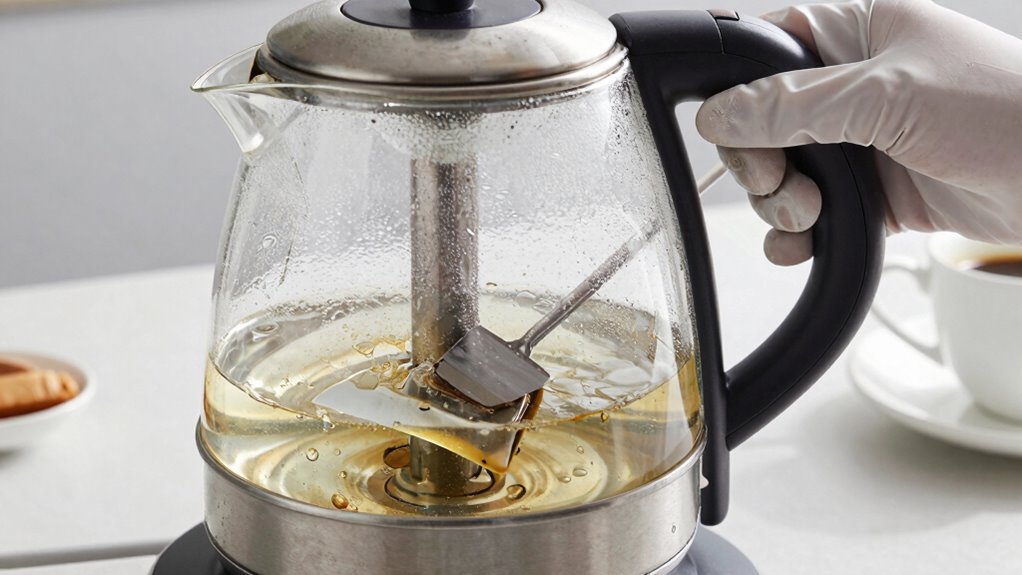
To start descaling your appliances, gather all the supplies you’ll need, like descaling solution and a clean cloth. Next, prepare your appliance by turning it off and emptying any water or residue. Ensuring your appliance is properly maintained helps prevent build-up and prolongs its lifespan. You should also be aware of energy efficiency considerations, as regular descaling can reduce unnecessary energy consumption. Regularly descaling your appliances is essential for optimal performance and energy efficiency. Incorporating regional flavors or unique coffee and tea pairings can enhance your appreciation for your appliances’ performance, especially when preparing specialty beverages. Additionally, understanding sound therapy techniques can help you develop a more mindful approach to appliance maintenance, making the process more effective and less stressful. Finally, follow the step-by-step process to complete the descaling, ensuring you do it safely and effectively.
Gather Necessary Supplies
Before you start descaling, gather all the supplies you’ll need to guarantee the process goes smoothly. Having everything on hand prevents interruptions and ensures you stick to your cleaning schedule. Here’s what you’ll need:
- White vinegar or descaling solution
- Measuring cup or container
- Soft cloth or sponge
- Toothbrush for detailed cleaning
Refer to your appliance’s maintenance checklist to confirm specific tools or solutions. Preparing your supplies beforehand helps you stay organized and efficient. Keep in mind that using the right cleaning products and tools is essential for effective descaling and maintaining appliance longevity. Once your supplies are ready, you can move confidently into the next step of preparing your appliance for descaling. Proper preparation ensures a thorough clean and extends the life of your appliance.
Prepare Appliance for Descaling
Starting the descaling process with your appliance properly prepared guarantees the cleaning will be effective and safe. First, unplug the appliance and empty any remaining water or liquids. For appliances like coffee makers or kettles, remove any filters or accessories, and wipe down surfaces to remove dust or residue. This step is essential for proper appliance maintenance, ensuring no debris interferes with descaling. Check your cleaning schedule—descaling should be part of your routine maintenance, typically every 1-3 months depending on usage. Make sure the appliance is dry and free of obstructions before proceeding. Preparing your appliance properly minimizes risks, enhances cleaning effectiveness, and helps extend its lifespan. Well-prepared appliances ensure that descaling delivers the best results.
Follow Descaling Procedure
With your appliance prepared and ready, it’s time to follow the step-by-step descaling process. This helps remove calcium deposits and mineral accumulation that hinder performance. First, fill the water reservoir with a descaling solution or a mixture of equal parts water and vinegar. Next, run the appliance as if brewing or heating, allowing it to work through the solution. Then, discard the solution and rinse thoroughly by running clean water through the system. Finally, wipe any remaining residue and run a few empty cycles with fresh water to make certain no traces of descaling agents remain.
- Prepare the descaling mixture
- Run the appliance with the solution
- Rinse thoroughly with water
- Perform a few empty cycles
Which Descaling Products Work Best and How to Choose One
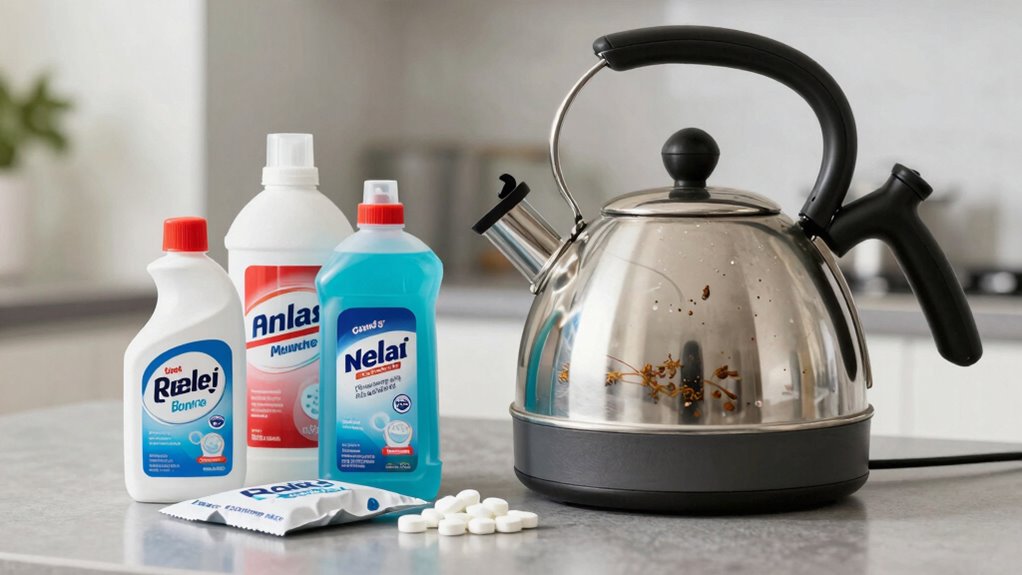
Choosing the right descaling product depends on your equipment and the severity of mineral buildup. For light deposits, natural descaling options like vinegar or lemon juice can be effective, eco-friendly choices that won’t harm your appliances. When mineral buildup is more stubborn, the best descaling agents are commercial descaling solutions formulated specifically for appliances like coffee makers or kettles. Look for products containing citric acid or descaling salts, which are proven to dissolve scale efficiently. Always check manufacturer recommendations to ensure compatibility. Natural options are safer for your health and the environment, but may need longer contact time or repeated treatments. For tough scale, a commercial descaler designed for your device will save time and ensure thorough cleaning.
Tips to Maintain Your Appliances and Prevent Scale Buildup
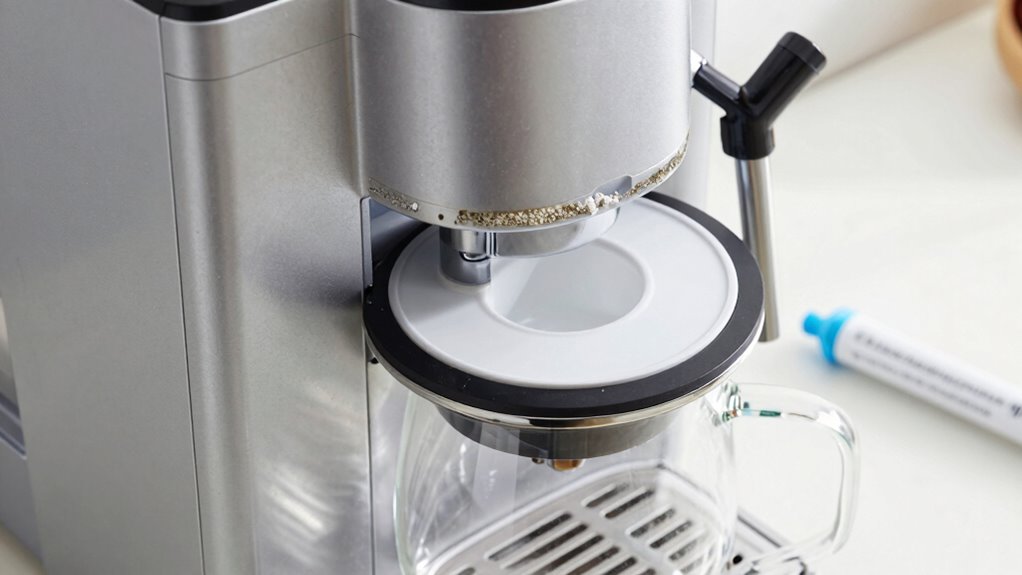
Regular maintenance is key to preventing stubborn mineral buildup and keeping your appliances running smoothly. To protect your appliance longevity, consider these tips:
- Use filtered water or low-mineral water to reduce scale formation, especially in areas with hard water.
- Regularly clean appliances with vinegar or descaling solutions to prevent mineral deposits.
- Avoid overusing your appliances; follow manufacturer guidelines for best performance.
- Keep an eye on water quality reports and adjust your water source as needed.
Troubleshooting Descaling Problems and When to Get Professional Help
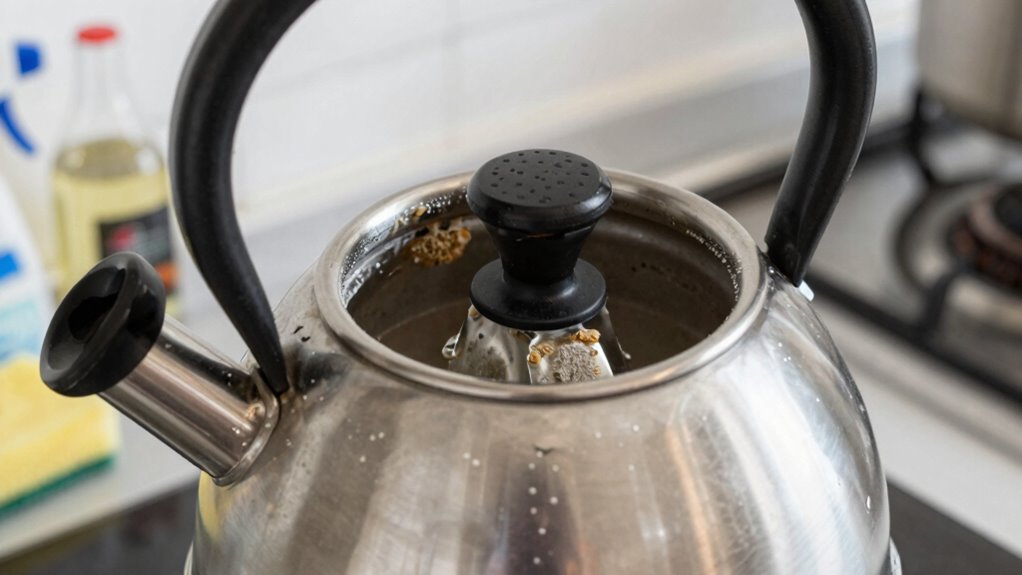
Even when you follow proper descaling procedures, issues can still arise that hinder your appliance’s performance. Scale buildup may persist despite your efforts, leading to longer brewing times or inconsistent results. If you notice your appliance isn’t functioning properly even after descaling, it’s time for appliance troubleshooting. Common problems include clogged nozzles, reduced water flow, or strange noises, all signs that scale buildup may still be present. Don’t ignore these issues, as they can damage your appliance over time. When troubleshooting doesn’t resolve the problem, or if you’re unsure how to proceed, it’s best to seek professional help. A technician can accurately assess the situation and perform a thorough cleaning, ensuring your appliance operates smoothly and efficiently again.
Frequently Asked Questions
Can Descaling Products Damage My Appliances if Used Incorrectly?
Yes, if you use descaling products incorrectly, they can harm your appliances. Poor application or using harsh chemicals can compromise appliance safety and increase chemical risks. Always follow the manufacturer’s instructions carefully, use the right amount, and avoid leaving chemicals on surfaces longer than recommended. Proper use minimizes the risk of damage and ensures your appliance stays safe and effective during and after descaling.
Are Natural or DIY Descaling Methods Effective and Safe?
Yes, natural or DIY descaling methods can be effective and safe if you choose the right home remedies or chemical alternatives. Vinegar and citric acid are popular options that safely dissolve mineral buildup without harsh chemicals, saving you money and reducing chemical exposure. Just make certain you follow proper instructions and rinse thoroughly to avoid damage. When used correctly, these methods safely maintain your appliances’ performance and longevity.
How Does Water Hardness Affect Descaling Frequency?
Water hardness directly impacts your descaling frequency; harder water means minerals build up faster, requiring more frequent descaling. If you have hard water, you should descale your appliances more often to prevent scale buildup and maintain efficiency. Conversely, with softer water, descaling can be less frequent. Monitoring your water’s mineral content helps you determine the right descaling schedule, ensuring your appliances stay in top condition and last longer.
Can Descaling Improve My Appliance’s Energy Efficiency?
Yes, descaling can improve your appliance’s energy efficiency. When you regularly remove mineral buildup, your appliances perform better, using less energy. You’ll notice faster heating and improved water flow, leading to energy savings over time. Keeping your appliances descaled reduces strain on components, extends their lifespan, and guarantees peak performance. So, making descaling a routine part of maintenance helps you save energy and keeps your appliances running smoothly.
Is It Necessary to Descale Appliances With Water Filters?
Without proper filter maintenance, your appliances could fail faster than you’d believe, making descaling essential even with water filters. Descaling helps remove mineral buildup that can clog filters and harm your appliance’s longevity. So, yes, it’s necessary to descale appliances with water filters regularly. This simple step keeps your devices running smoothly, saves money, and extends their lifespan, ensuring you enjoy reliable performance day after day.
Conclusion
Regularly descaling your appliances keeps them running smoothly and extends their lifespan. If you think it’s a hassle, just remember it’s a small effort for big benefits—better-tasting coffee, faster heating, and fewer repairs. Sure, it might seem like a chore, but once you get into the habit, it’s quick and easy. Trust me, your appliances will thank you, and you’ll save money in the long run. Just give it a try—you won’t regret it.