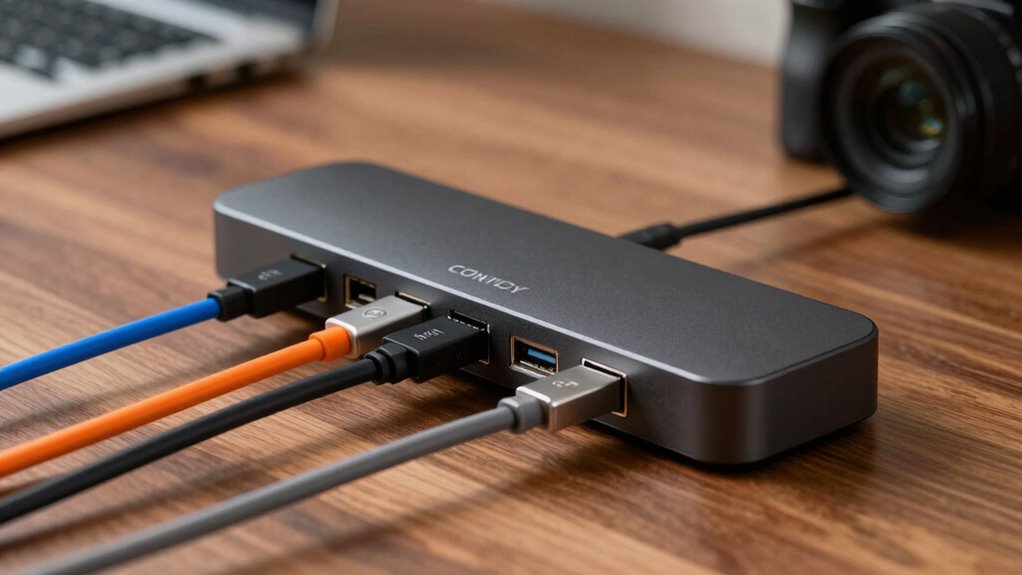

When choosing a docking station, you’ll need the right cables like USB-C or Thunderbolt for power and data, HDMI or DisplayPort for video, and Ethernet for internet. Pay attention to power limits to guarantee your devices charge properly without overload, and check video support for your display resolution. Connecting too many devices can strain the dock’s bandwidth or power, so understanding these limits helps avoid issues. If you want to learn more about managing cables and limits, keep exploring these key details.
Key Takeaways
- The type of cable (USB-C, HDMI, Ethernet) determines compatibility, power delivery, and data transfer limits of a docking station.
- Power delivery capacity affects device charging speed and prevents overloads, requiring matching dock wattage with device needs.
- Video output options (4K, 8K) and the number of supported displays depend on dock specifications and cable capabilities.
- Data bandwidth limits impact peripheral performance and connection stability, especially when multiple devices are connected simultaneously.
- Compatibility issues arise from mismatched ports, outdated drivers, and OS support, which can restrict device functionality and security.

Anker Laptop Docking Station Dual Monitor, 8-in-1 USB C Hub, 4K Dual Monitor with 2 HDMI, 1 Gbps Ethernet Hub, 85W Power Delivery, SD Card Reader, for XPS and More (Charger not Included)
The Anker Advantage: Join the 50 million+ powered by our leading technology.
As an affiliate, we earn on qualifying purchases.
As an affiliate, we earn on qualifying purchases.
What Is a Docking Station and Why Do You Need One?
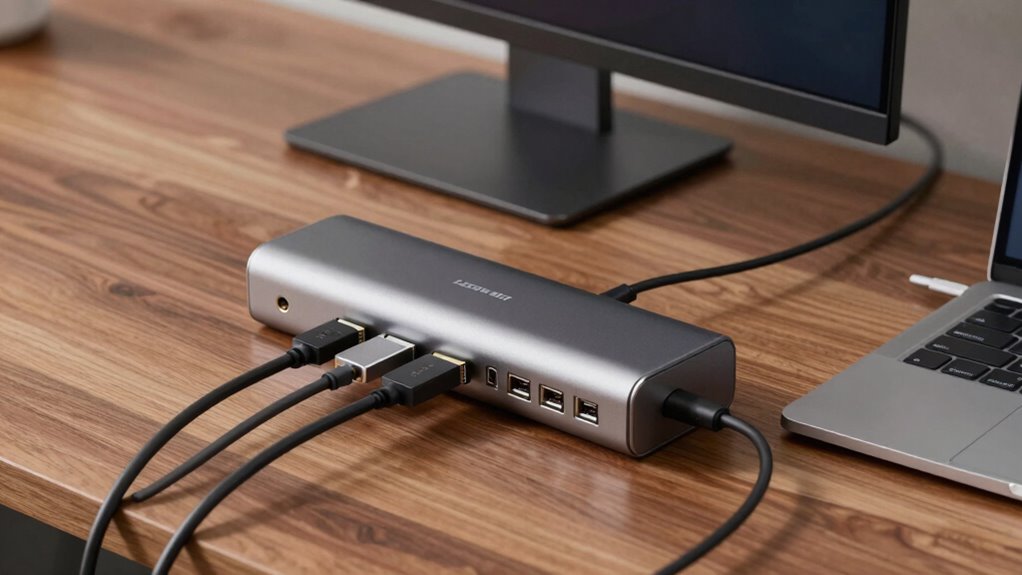
Have you ever wondered how to connect multiple devices quickly and efficiently to your laptop? That’s where a docking station comes in. It acts as a central hub, expanding your laptop’s connectivity with various ports for monitors, USB devices, and Ethernet. When setting up your dock station, consider docking station security to protect your data and devices from unauthorized access. Proper dock station setup guarantees your workspace stays organized and your connections remain stable. Additionally, choosing a power management docking station can help optimize energy consumption and extend device longevity. A good docking station simplifies your workflow, saves time, and reduces cable clutter. Whether you’re working from home or the office, it helps you stay productive by providing a seamless way to access all your peripherals with just one connection. Understanding connection limits can help you avoid overloading ports and ensure reliable performance. Being aware of device compatibility is essential to prevent connection issues and maximize your dock’s potential. Exploring new content formats can help you discover more efficient ways to optimize your workspace and enhance overall productivity.
Anker Laptop Docking Station Dual Monitor, 8-in-1 USB C Hub, 4K Dual Monitor with 2 HDMI, 1 Gbps Ethernet Hub, 85W Power Delivery, SD Card Reader, for XPS and More (Charger not Included)
The Anker Advantage: Join the 50 million+ powered by our leading technology.
As an affiliate, we earn on qualifying purchases.
As an affiliate, we earn on qualifying purchases.
What Cables and Connections Do You Need for Your Docking Station?
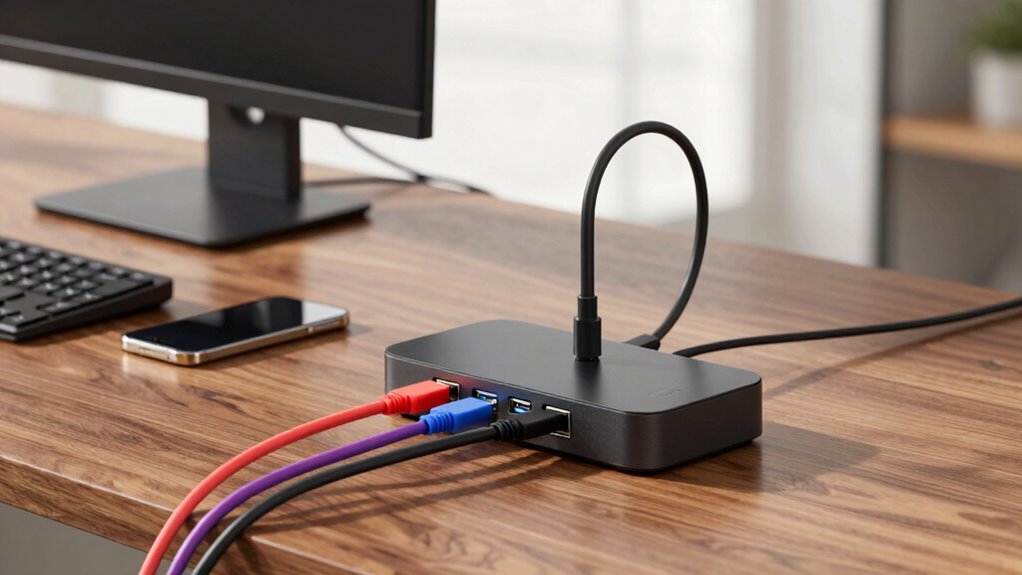
Wondering what cables and connections you need to set up your docking station? The right setup depends on your devices and needs. First, verify your dock has a USB-C port or USB-C adapters compatible with your laptop for power and data transfer. Second, consider Ethernet connectivity if you require a stable internet connection—many docks include an Ethernet port, but you might need an adapter. Third, check the video output options, such as HDMI or DisplayPort, to connect monitors. Keep in mind, some docks also support additional USB-A ports for peripherals. Knowing these connections upfront helps you avoid surprises and ensures your setup runs smoothly. Be clear on your device compatibility and connection needs before purchasing to get the most out of your docking station.
Anker Laptop Docking Station Dual Monitor, 8-in-1 USB C Hub, 4K Dual Monitor with 2 HDMI, 1 Gbps Ethernet Hub, 85W Power Delivery, SD Card Reader, for XPS and More (Charger not Included)
The Anker Advantage: Join the 50 million+ powered by our leading technology.
As an affiliate, we earn on qualifying purchases.
As an affiliate, we earn on qualifying purchases.
How Much Power and Video Output Can a Docking Station Support?
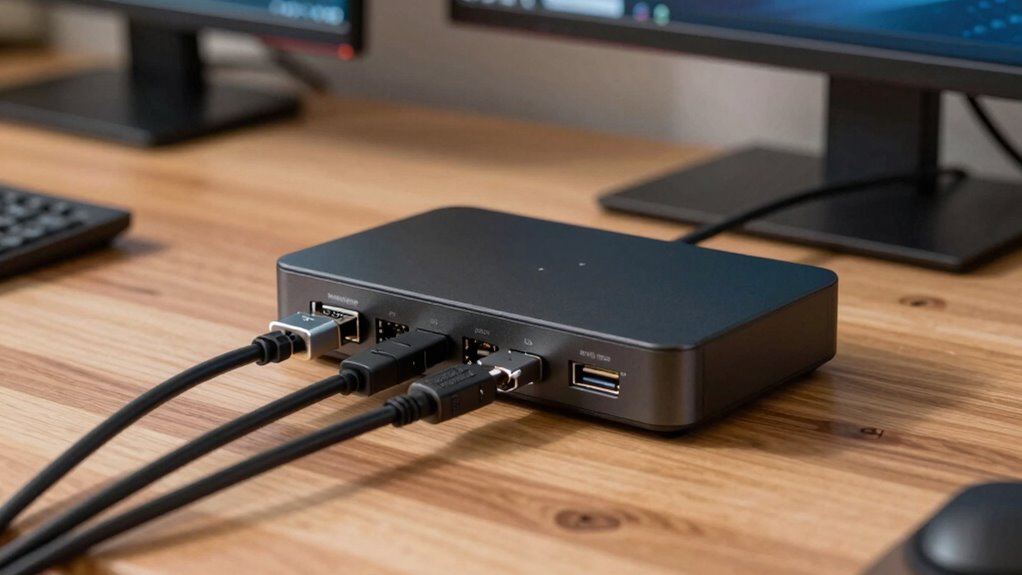
Understanding your docking station’s power capacity helps guarantee your devices stay charged and run smoothly. You’ll also want to know its video output capabilities to connect your monitors effectively. A good grasp of the power delivery specifications can prevent overloading your system. Additionally, considering the contrast ratio of the connected display can enhance your viewing experience. Knowing the video output limits ensures you don’t exceed the station’s capabilities when connecting multiple monitors. Being aware of battery inverter generator specifications can also help you plan for power needs during travel or outages.
Power Capacity Limits
Docking stations are designed to handle specific power and video output limits, guaranteeing your devices operate smoothly without risking damage or performance issues. Your power supply determines how much energy consumption your setup can support simultaneously. Exceeding these limits can lead to insufficient charging, slow performance, or hardware damage. To understand these limits, consider:
- The maximum wattage the docking station’s power supply can deliver.
- The total power draw of connected devices.
- How the station manages energy consumption during high-demand tasks.
Knowing these factors helps you avoid overloading the system and ensures stable operation. Always match your devices’ power needs with the docking station’s capacity to prevent issues and optimize performance.
Video Output Capabilities
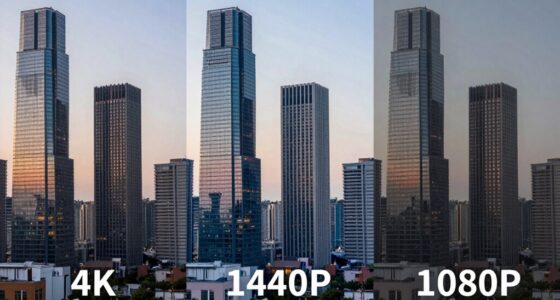
Video output capabilities of a docking station determine how many monitors and what resolution it can support simultaneously, which directly impacts your workflow and productivity. Higher video resolution, like 4K or even 8K, requires more bandwidth, so check the dock’s specifications for supported resolutions per port. Depending on your needs, some docks also support multiple displays via HDMI, DisplayPort, or USB-C, but limitations vary. Additionally, modern docks handle various audio formats through integrated audio output, enabling high-quality sound for video calls or media. Be aware that combining high video resolutions with advanced audio formats can strain the dock’s bandwidth. To confirm seamless operation, verify the docking station’s video output capabilities and supported audio formats, matching them to your device’s requirements.
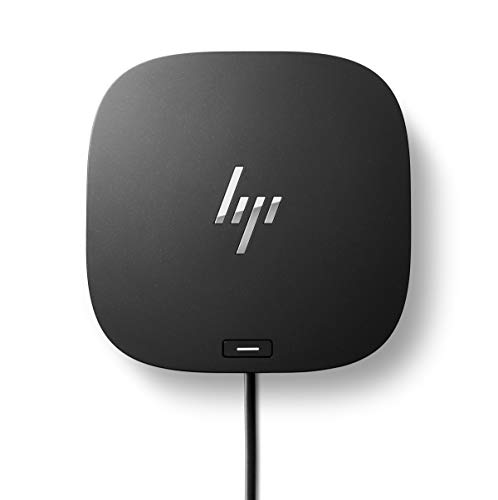
HP USB-C Dock G5-11-in-1 Adapter for Both USB-C and Thunderbolt-Enabled Laptops, PCs, & Notebooks – for Charging, Networking, or Data Transfers – Great for Secure & Remote Management,Black
COMPATIBILITY WITHOUT CONSTRAINTS – Designed with universal compatibility in mind, this dock works with both HP and non-HP…
As an affiliate, we earn on qualifying purchases.
As an affiliate, we earn on qualifying purchases.
How Many Devices Can You Connect to Your Dock Without Overloading It?
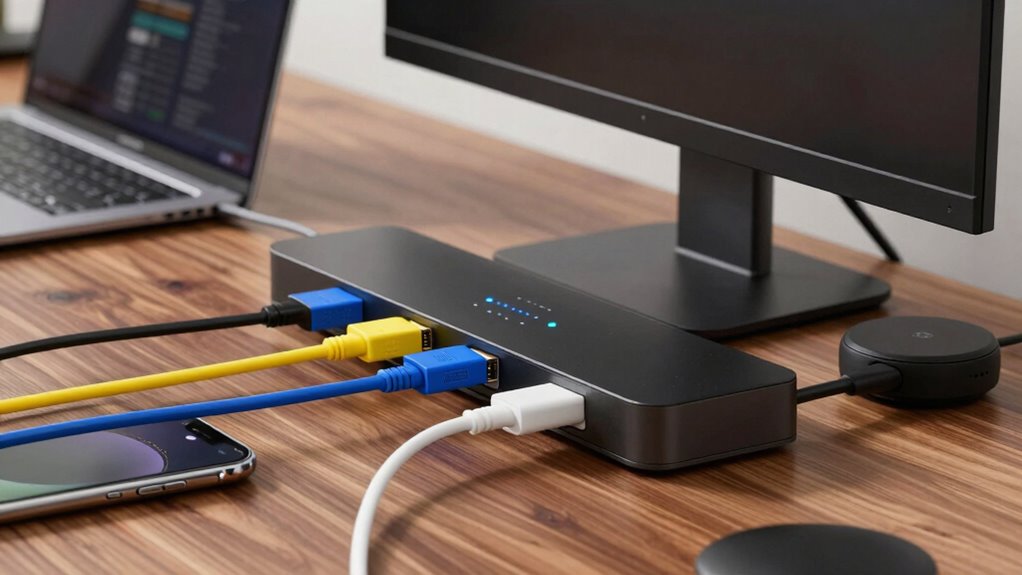
Your docking station can only support a certain number of devices before performance drops. Power delivery limits how much energy each port can provide, affecting what you can connect. Additionally, data bandwidth constraints mean too many devices can slow down data transfers or cause connection issues. Being mindful of power management and data bandwidth can help you optimize your setup and avoid overloading your dock. Understanding device compatibility ensures you don’t exceed the dock’s capabilities and maintain a stable connection. Recognizing the limitations of natural pools can help prevent overloading the system and ensure sustainability.
Power Delivery Limits
Power Delivery (PD) limits determine how many devices you can connect to a docking station without risking overload or power issues. These limits depend on the dock’s maximum power output and cable limitations, which vary between models.
To avoid overloading, consider these factors:
- Maximum Power Output: Check the dock’s wattage capacity; exceeding it can cause instability.
- Cable Limitations: Not all cables support high power transfer—use certified cables designed for PD.
- Connected Devices’ Power Needs: Devices with higher power demands, like external GPUs, reduce available power for others.
- Power Delivery Regulations: Understanding power delivery regulations can help you better manage your device connections and prevent overloads.
Understanding these aspects guarantees you don’t overload your dock, keeping your setup safe and functional without cutting corners on power delivery.
Data Bandwidth Constraints
While connecting multiple devices to a docking station can enhance productivity, each device consumes a share of the available data bandwidth, which can quickly become a limiting factor. When too many peripherals are connected, bandwidth throttling occurs, slowing data transfer rates across devices. This phenomenon is similar to measurement accuracy challenges faced in lab environments, where precise data transmission is crucial. It can lead to laggy video streams, slow file transfers, or unresponsive accessories. Your dock’s total bandwidth capacity determines how many devices you can connect without overloading it. High-bandwidth tasks like 4K video editing require more data transfer rates, reducing the number of peripherals that can operate smoothly simultaneously. To avoid bottlenecks, consider your dock’s specifications and prioritize essential devices. Monitoring bandwidth usage helps prevent overloads, ensuring your setup remains efficient and responsive.
What Compatibility Issues Should You Watch Out for?
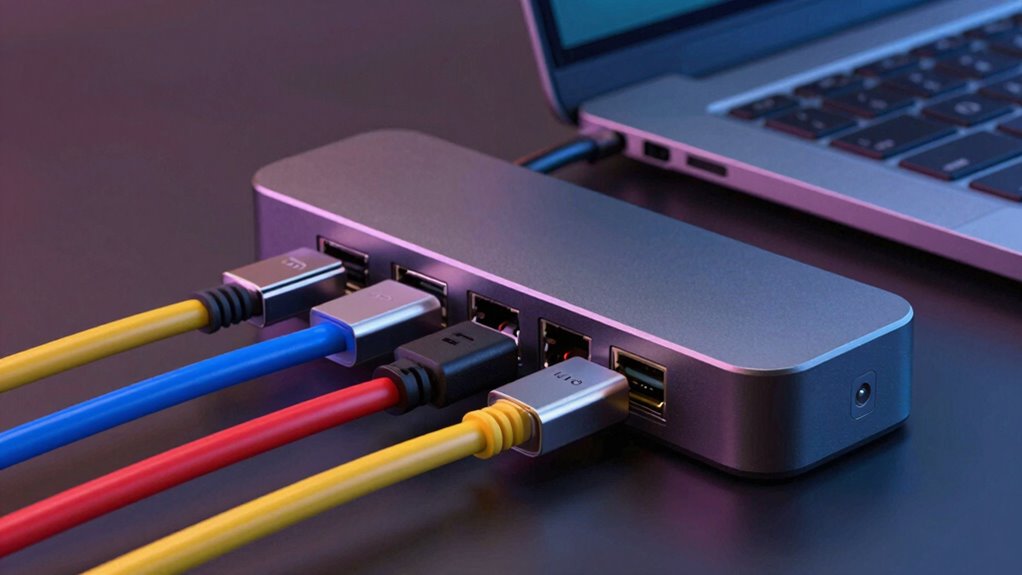
Are you aware of the compatibility issues that can arise when choosing a docking station? These issues often lead to device mismatches, causing frustration and wasted time. To avoid problems, keep these points in mind:
- Port Compatibility – Ensure the docking station’s ports match your device’s outputs. Using USB-C instead of Thunderbolt or vice versa can cause issues.
- Power Delivery Limits – Check if the dock supplies enough power for your device; insufficient power can hinder performance.
- Operating System Support – Confirm your OS supports the docking station’s features to prevent driver conflicts or missing functionalities. Additionally, understanding device interoperability can help you better evaluate and troubleshoot docking station compatibility issues.
- Technical Knowledge – Developing a basic understanding of electrical standards can help you better evaluate and troubleshoot docking station compatibility issues. For example, knowing the difference between various power supply specifications can prevent connection problems.
Being aware of these compatibility issues helps you pick a docking station that integrates seamlessly with your setup, avoiding device mismatches and ensuring smooth operation.
How to Choose the Right Docking Station for Your Needs?
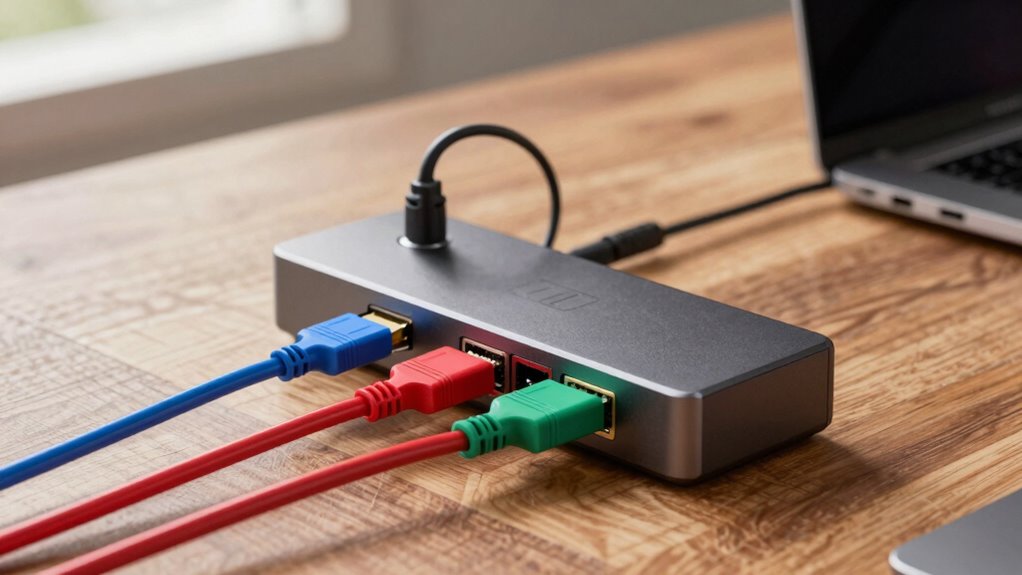
Choosing the right docking station starts with identifying your specific needs and how you plan to use it. If you want the convenience of wireless charging, guarantee the station supports it seamlessly, so you can power your devices without extra cables. Consider ergonomic design features that promote comfort during long work sessions, like adjustable angles or easy access to ports. Think about the types of connections you require—USB-C, HDMI, Ethernet, or SD card slots—and verify compatibility with your devices. If you prioritize minimal clutter, look for a station that combines charging with multiple ports in a compact, user-friendly layout. Ultimately, selecting a docking station that matches your workflow and integrates well into your workspace will boost productivity and comfort. Additionally, understanding the side-channel vulnerabilities associated with certain ports can help you make more secure choices for your setup.
Frequently Asked Questions
Can a Docking Station Charge My Laptop and Other Devices Simultaneously?
Yes, a docking station can charge your laptop and other devices simultaneously if it supports sufficient power delivery and device compatibility. Make sure it provides enough wattage for your laptop’s needs and has the right ports for your accessories. Check the docking station’s specifications to guarantee it can handle multiple device charges at once, so you won’t run into issues with power or compatibility while connecting everything you need.
Are All USB-C Docks Compatible With Every Laptop Model?
Not all USB-C docks are universally compatible with every laptop model. You need to check for universal compatibility and brand compatibility before purchasing. Some docks work seamlessly with multiple brands, but others are designed specifically for certain models. To guarantee your laptop works with a USB-C dock, verify the dock’s specifications and compatibility list. Doing so helps avoid connection issues and ensures peak performance across your devices.
What Are the Common Signs of an Overloaded Docking Station?
You’ll notice signs of an overloaded docking station if the power indicator flickers or turns off unexpectedly, signaling insufficient power supply. Connection drops become frequent, especially when connecting multiple devices or high-power peripherals. You might also experience slow data transfer or peripherals not functioning properly. These issues indicate that your dock is strained, and reducing connected devices or upgrading to a higher-capacity station can help maintain stable performance.
How Do I Troubleshoot Connectivity Issues With My Docking Station?
Your connectivity issues can seem like a nightmare, but start by checking cable compatibility and port configuration. Make sure you’re using the right cables and that they’re securely connected. Verify that your docking station’s ports match your device’s ports, and update drivers if needed. Restart your devices, and test with different cables if issues persist. This quick troubleshooting can restore your connection faster than you’d imagine.
Is It Possible to Upgrade the Ports on My Existing Docking Station?
You can’t typically upgrade the ports on your existing docking station, as they’re usually built into the device’s hardware. If you want newer or different ports, consider a port upgrade by purchasing a new docking station designed for your needs. Be mindful of compatibility concerns, ensuring the new dock supports your laptop or device’s specifications. This way, you get the latest ports without risking connectivity issues.
Conclusion
A docking station can simplify your setup, but understanding its cables and limits is essential. While it offers convenience, overloading it or choosing the wrong one can cause headaches. Think of it as a bridge: it connects your devices seamlessly, yet if you push too far, it might break. Stay informed, pick wisely, and enjoy a smooth, reliable connection—because the right dock makes all the difference between chaos and clarity.