
TL;DR
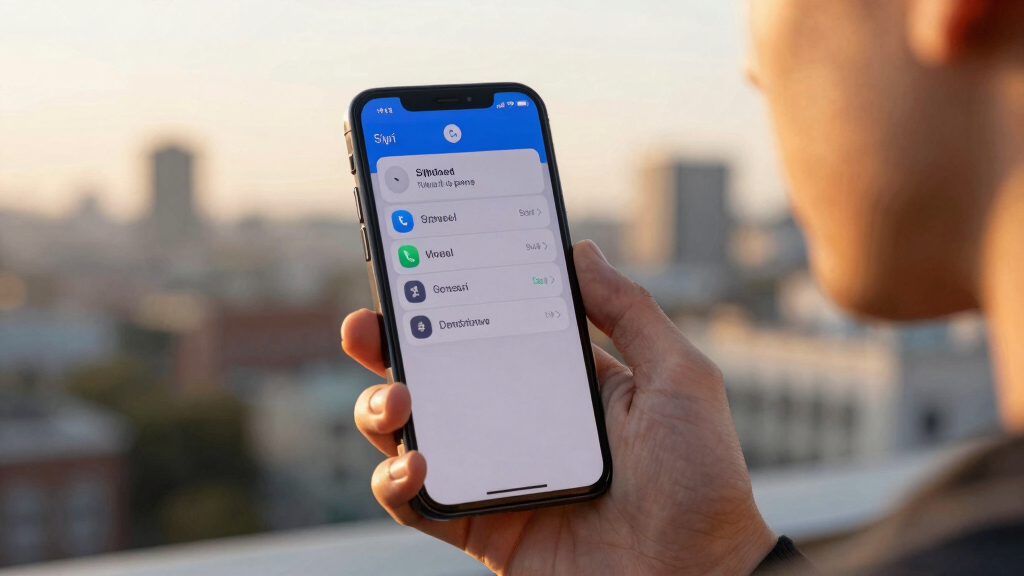
Apple announced a major update to Siri, integrating AI that is more personalized, private, and capable across devices. The new features include smarter home controls, accessibility improvements, and developer tools, all centered on user privacy.
Apple announced a new generation of Siri and Apple Intelligence, promising a more helpful, privacy-focused AI experience integrated into its devices and apps, set to launch later this year. The update emphasizes personalized assistance, enhanced accessibility, and new developer tools, marking a significant evolution in Apple’s AI strategy.
Apple’s upcoming AI platform, called Apple Intelligence, will power a redesigned Siri with deeper integration into apps, grounded in user context, and processed primarily on-device to protect privacy. Features include improved accessibility tools such as VoiceOver, Magnifier, and Voice Control, which are now more flexible and detailed. The company also introduced smarter Home capabilities, allowing for advanced activity notifications, video analysis, and AI-powered search within the Home app.
Developers will gain access to new frameworks, including Foundation Models, App Intents, and APIs, enabling them to incorporate Siri, writing tools, and image features into their apps with privacy at the core. Apple emphasizes that all processing is on-device or within private cloud compute, meaning user data remains protected and requests are free of charge. The rollout is scheduled for later this year, with availability across iPhone, iPad, and Mac devices.
Implications for User Privacy and AI Personalization
This update signifies Apple’s commitment to integrating advanced AI while maintaining user privacy, a key differentiator in the tech industry. The focus on on-device processing and private cloud compute aims to enhance user trust and set new standards for privacy-preserving AI. It also broadens the scope for developers to create more intelligent, context-aware apps that work offline and protect personal data.

Kasa Smart Plug Mini 15A, Apple HomeKit Supported, Smart Outlet Works with Siri, Alexa & Google Home, UL Certified, App Control, Scheduling, Timer, 2.4G WiFi Only, 4 Count (Pack of 1) (EP25P4), White
【Apple Homekit Support】This Apple HomeKit compatible smart plug fully integrates into your Apple ecosystem, just ask Siri to…
As an affiliate, we earn on qualifying purchases.
As an affiliate, we earn on qualifying purchases.
Background of Apple’s AI and Siri Developments
Apple has historically prioritized privacy in its AI offerings, with Siri serving as its flagship voice assistant since 2011. Recent years have seen increased investment in AI capabilities, but privacy concerns have limited the scope of cloud-based features. The introduction of on-device models and private cloud compute marks a strategic shift towards more powerful yet privacy-conscious AI tools, aligning with broader industry trends and consumer expectations.
“Apple’s new AI platform is designed to provide smarter assistance while ensuring user data remains private at every step.”
— an anonymous researcher
“The new frameworks will make it easier for developers to build more intelligent, privacy-respecting apps that leverage on-device AI.”
— an anonymous developer

ROCWARE RC08 2K Webcam with Speaker, Webcam for PC, HD Web Cam with Noise Reduction Mic/Harman Speaker/4X Eptz/Privacy Cover/0.2S Auto-Focus/Low Illumination, Computer Camera for Zoom/Teams/Meeting
3A Noise-Canceling Mic & Harman Tuned Full-Range Speaker: The advanced 3A noise-reduction technology microphone web cam dampens the…
As an affiliate, we earn on qualifying purchases.
As an affiliate, we earn on qualifying purchases.
Unanswered Questions About Deployment and Capabilities
Details about the specific timeline for widespread availability are still emerging, and it is unclear how extensively third-party developers will adopt the new frameworks initially. The full extent of Siri’s new capabilities, especially in complex or multi-device scenarios, remains to be seen. Additionally, the performance and accuracy of on-device models versus cloud-based models are still being evaluated.
![Lamicall Cell Phone Stand for Desk - [Height Adjustable] Foldable Mobile Phone Holder, Portable Stand for iPhone 17 16 15 14 13 12 11 Pro Max Plus Air, Galaxy S25, Office Gift, Telephone Accessories](https://m.media-amazon.com/images/I/41gleueVKkL._SL500_.jpg)
Lamicall Cell Phone Stand for Desk – [Height Adjustable] Foldable Mobile Phone Holder, Portable Stand for iPhone 17 16 15 14 13 12 11 Pro Max Plus Air, Galaxy S25, Office Gift, Telephone Accessories
Height & Angle Adjustable – The universal adjustable phone stand can be titled to vertical, and height can…
As an affiliate, we earn on qualifying purchases.
As an affiliate, we earn on qualifying purchases.
Next Steps for Apple and Developers
Apple will likely begin rolling out the new Siri features and Apple Intelligence platform later this year through software updates, as part of their ongoing AI development efforts. Learn more about Apple’s privacy strategies. Developers are expected to gain access to the new frameworks shortly, enabling them to integrate the features into their apps. Monitoring updates from Apple and developer feedback will clarify how these tools evolve and their impact on user experience and privacy.

Security Cameras Wireless Outdoor, 2K Indoor Cameras for Home Security Battery Powered, AI Motion Detection, Color Night Vision, 2-Way Talk, Spotlight Siren Alarm, Cloud & SD Storage-Jet Black Camera
2K HD Live Video, Picture & Color Night Vision: The security cameras wireless outdoor provide a degree wide…
As an affiliate, we earn on qualifying purchases.
As an affiliate, we earn on qualifying purchases.
Key Questions
When will the new Siri features be available to users?
Apple announced the features will launch later this year, with specific dates to be confirmed closer to release.
Will third-party developers be able to use the new AI tools?
Yes, Apple is providing frameworks, APIs, and tools to developers, allowing integration of new AI features into their apps with privacy protections.
How does Apple ensure user privacy with these new AI features?
The platform emphasizes on-device processing and private cloud compute, meaning user data is not stored or shared without consent, and requests are processed securely.
What improvements can users expect in accessibility?
Enhanced VoiceOver, Magnifier, and Voice Control features will offer richer descriptions, better interaction, and more flexible controls, making devices easier to use for all.
Are there any limitations or known issues with the new AI platform?
Details about performance, compatibility, and initial limitations are still emerging, as the rollout is upcoming and ongoing testing continues.
Source: Hacker News