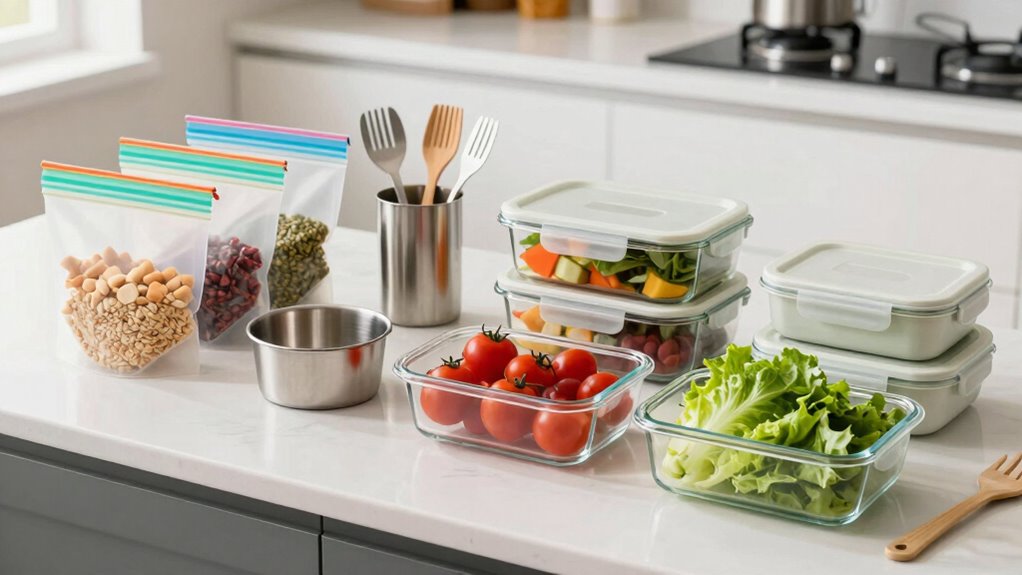

To build a reusable shopping and meal prep system, start by choosing durable, eco-friendly bags and containers made from materials like stainless steel, glass, or recycled plastics. Plan your weekly grocery list based on fresh produce and bulk items to minimize waste. Establish a regular shopping routine using refill stations and reusable bags, then store leftovers in your containers for reuse. Keep track of your sustainability progress to stay motivated—soon you’ll discover simple ways to boost your eco-friendly habits.
Key Takeaways
- Develop a weekly meal plan and shopping list focused on seasonal, bulk, and pantry staples to minimize waste.
- Use durable, eco-friendly reusable bags and containers for shopping, storage, and meal prep to reduce single-use plastics.
- Organize containers and bags by type and size, labeling contents for easy access and maintaining a clutter-free system.
- Incorporate waste reduction strategies like composting, bulk buying, and reusing leftovers to promote sustainability.
- Track your environmental impact regularly, including waste reduction and water savings, to stay motivated and improve your system.
reusable silicone food storage containers
As an affiliate, we earn on qualifying purchases.
As an affiliate, we earn on qualifying purchases.
Why You Need a Reusable Shopping and Meal Prep System
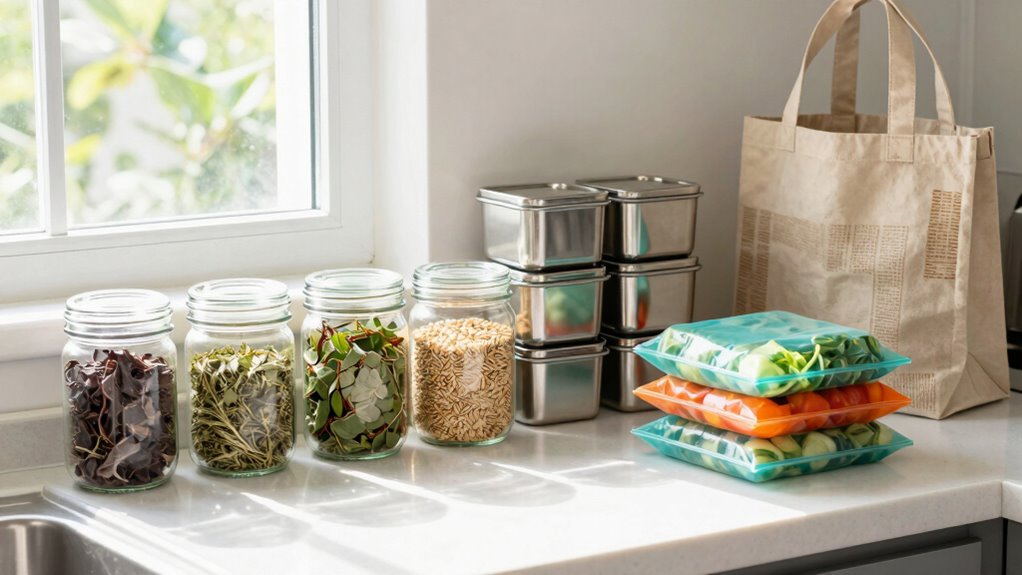
Having a reusable shopping and meal prep system can considerably streamline your routine and save you time and money. By prioritizing sustainable sourcing, you guarantee the products you buy come from environmentally responsible sources, reducing your overall ecological footprint. Using eco-friendly packaging further minimizes waste and prevents unnecessary plastic use, making your shopping greener. This system encourages you to plan ahead, cut down on single-use plastics, and choose items that support your values. It also helps you stay organized and avoid last-minute trips to the store, saving you both money and effort. Incorporating reusable containers and bags into your routine can further enhance your eco-friendly practices. Embracing environmentally responsible sourcing can also inspire others around you to adopt more sustainable habits. Developing a consistent routine with mindful consumption allows you to make better choices aligned with your environmental values. Additionally, selecting sustainable products helps promote eco-friendly manufacturing practices and reduces environmental impact. Understanding the importance of eco-conscious choices can motivate you to continuously improve your habits. Adopting a reusable approach not only benefits the environment but also promotes mindful consumption, making your shopping and meal prep habits more sustainable and aligned with eco-conscious living.
eco-friendly reusable shopping bags
As an affiliate, we earn on qualifying purchases.
As an affiliate, we earn on qualifying purchases.
How to Choose the Right Reusable Bags and Containers
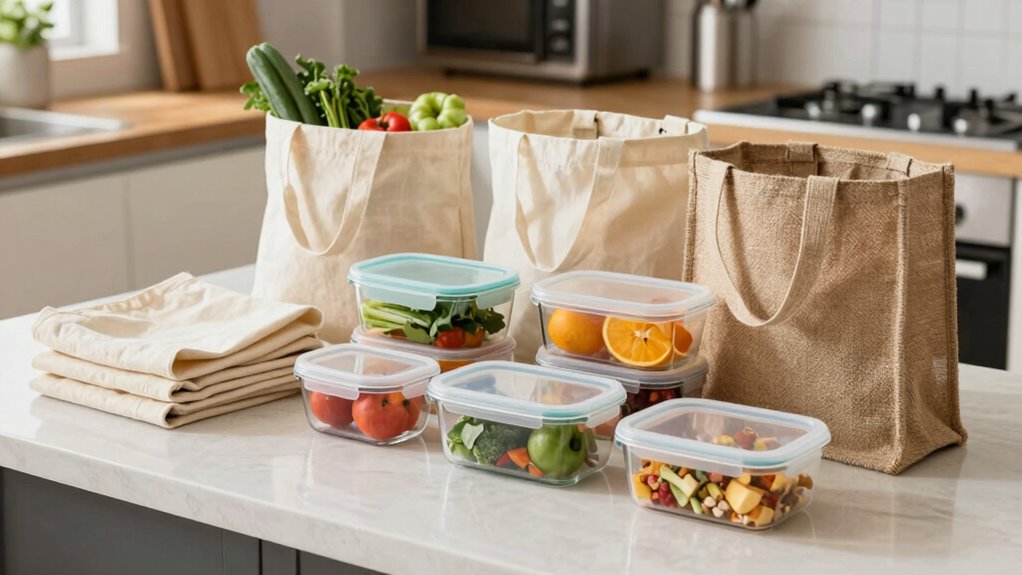
Choosing the right reusable bags and containers is key to ensuring your shopping and meal prep system works smoothly. Start by considering material options—sturdy cloth, durable silicone, or clear BPA-free plastic—based on your needs and preferences. Cloth bags are lightweight and eco-friendly, while silicone containers are flexible and versatile. Size considerations are also vital; select bags that fit your typical grocery items and containers that match your meal prep portions. By choosing the appropriate materials and sizes, you’ll streamline your shopping trips and meal prep sessions, making your system both efficient and sustainable. Additionally, selecting reliable storage options can help prevent leaks and maintain freshness over time. Paying attention to material durability ensures that your reusable containers withstand frequent use without damage, further supporting your eco-friendly goals. Incorporating sustainable materials into your choices can enhance the environmental benefits of your reusable system. Considering ease of cleaning can also save you time and maintain hygiene for your containers and bags. To maximize the longevity of your reusable supplies, it’s helpful to choose options that are easy to sanitize and resistant to stains.
stainless steel meal prep containers
As an affiliate, we earn on qualifying purchases.
As an affiliate, we earn on qualifying purchases.
Planning a Zero-Waste Grocery List
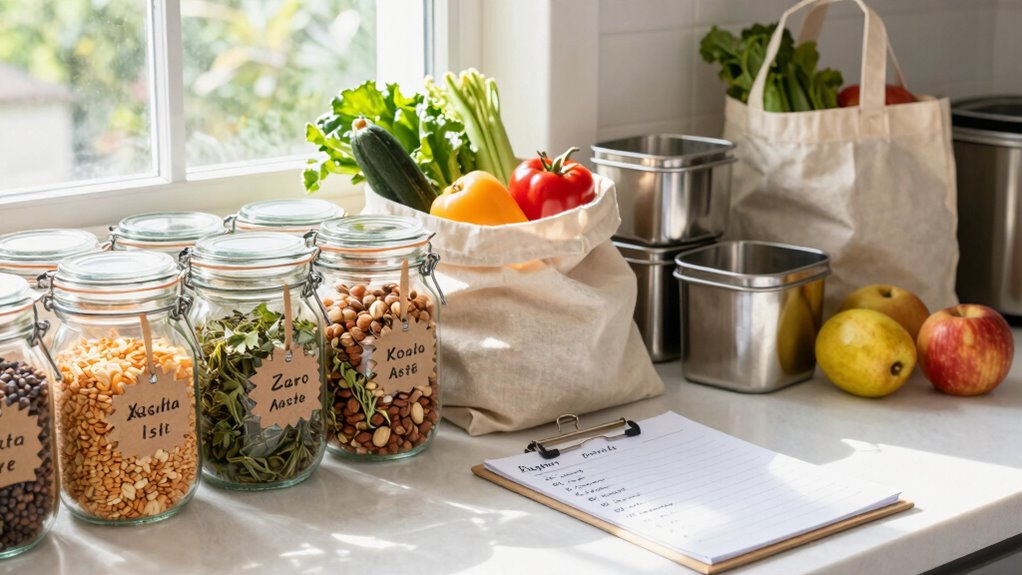
Creating a zero-waste grocery list starts with planning ahead to minimize packaging and waste. Begin by identifying bulk stores or markets that offer sustainable packaging options, allowing you to avoid single-use plastics. Focus on purchasing loose produce, grains, and nuts in paper or compostable bags. Keep a list of foods you need, emphasizing items that can be stored in reusable containers or jars. Incorporate composting techniques for scraps like vegetable peels and coffee grounds, reducing overall waste. Check your local composting facilities or start a compost bin at home. Being mindful of resource conservation can further enhance your zero-waste efforts. Additionally, understanding sustainable practices can help you make more environmentally conscious choices in your shopping routine. Incorporating efficient resource use in your shopping and meal prep can further support your sustainability goals. Being aware of waste reduction strategies can help you identify areas to cut unnecessary packaging and waste. By organizing your list around sustainable packaging options and compostable waste, you ensure your shopping aligns with your zero-waste goals, making your system more effective and environmentally friendly. Engaging in water conservation practices during shopping and meal prep can further lower your environmental impact.
reusable glass food storage containers
As an affiliate, we earn on qualifying purchases.
As an affiliate, we earn on qualifying purchases.
Picking Eco-Friendly Tools for Meal Prep
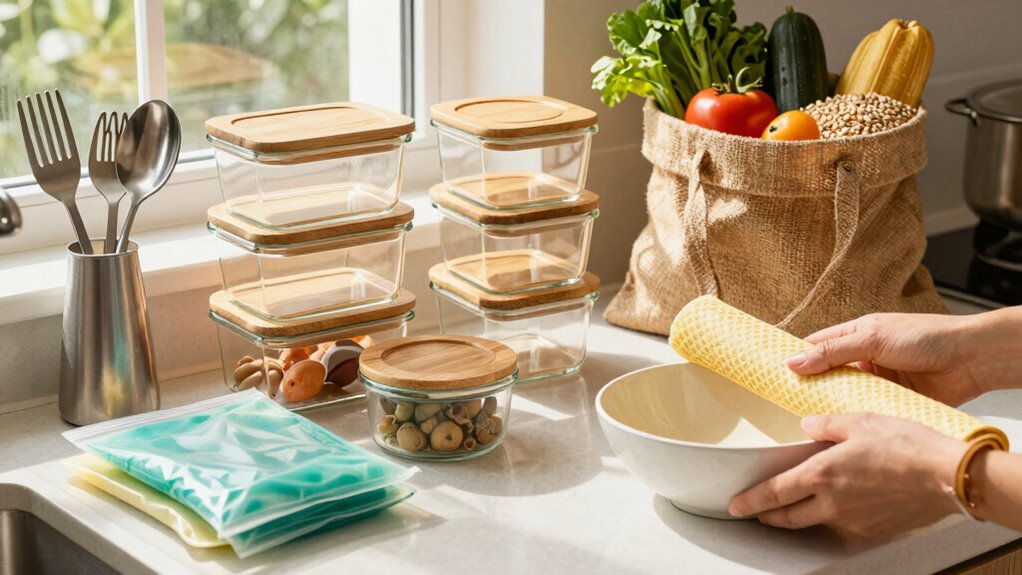
Are you selecting the best eco-friendly tools for your meal prep? Choosing tools made from sustainable materials helps reduce environmental impact and supports eco-conscious living. Look for items like bamboo utensils, glass containers, and stainless steel cutlery, which are durable and free from harmful chemicals. Avoid single-use plastics that contribute to pollution, opting instead for reusable options that last longer. When selecting storage containers, prioritize those made from borosilicate glass or stainless steel, as they’re safer and more sustainable. Consider eco-friendly silicone lids or beeswax wraps for sealing. Additionally, incorporating Vetted – Fin and Forage options ensures you choose quality gear that is both effective and environmentally responsible. Using biodegradable materials in your tools further enhances your eco-friendly meal prep routine. Incorporating sustainable manufacturing practices also ensures that your tools are produced with minimal environmental impact. To further support eco-conscious choices, look for products with certifications like FSC or Green Seal, which verify sustainable sourcing and manufacturing. Choosing tools made from renewable resources not only reduces reliance on finite materials but also promotes a healthier planet. By choosing tools crafted from sustainable materials, you minimize waste and lessen your ecological footprint, making your meal prep process both effective and environmentally responsible.
Creating a Weekly Routine for Eco-Friendly Shopping
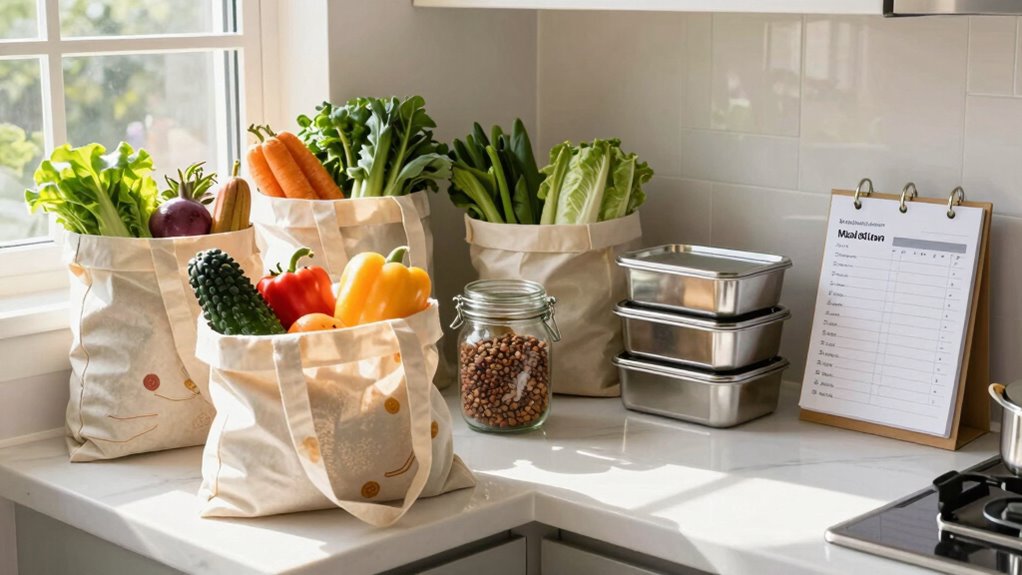
To establish an eco-friendly shopping routine, start by planning your weekly grocery list to avoid unnecessary trips. Choose reusable bags for every trip to reduce plastic waste and set specific days for shopping to stay consistent. This approach keeps your habits sustainable and simplifies your meal prep process. Incorporating Free Floating elements like portable storage containers can further minimize packaging waste. Additionally, tracking your shopping expenses can help you stay within your budget and identify areas to reduce waste. Regularly inspecting and maintaining your filtering equipment ensures your tools operate efficiently and prolongs their lifespan.
Plan Weekly Grocery List
Have you ever wondered how a well-planned grocery list can make your shopping more eco-friendly and efficient? By organizing your list around seasonal produce and bulk items, you reduce plastic waste and avoid unnecessary packaging. Focus on choosing products with sustainable packaging, like cardboard or compostable containers, which support plastic reduction. Planning ahead helps you buy only what you need, minimizing impulse purchases that often come in single-use plastics. Consider shopping at stores that offer refills or bulk bins, making it easier to avoid excess packaging altogether. Keep your list precise, including pantry staples and fresh ingredients, so you don’t overbuy. Incorporating reusable shopping bags and containers into your routine further enhances your sustainability efforts. A thoughtful, eco-conscious grocery list ensures your shopping routine aligns with your sustainability goals while saving time and reducing waste.
Choose Reusable Bags
Integrating reusable bags into your weekly shopping routine makes a significant difference in reducing plastic waste. Choose bags made from sustainable materials like cotton, jute, or recycled plastics for eco-friendly options. Prioritize bag durability to guarantee they withstand frequent use without tearing or wearing out. This saves money and minimizes waste over time. To keep things organized, consider having different bags for produce, groceries, and heavy items. Below is a simple guide:
| Bag Type | Material | Durability Focus |
|---|---|---|
| Produce Bags | Recycled plastics | Easy to clean, lightweight |
| Grocery Bags | Cotton or jute | Strong handles, sturdy fabric |
| Heavy-duty Bags | Recycled plastics or canvas | Heavy load capacity |
Choosing the right reusable bags is a practical step toward sustainable shopping.
Schedule Shopping Days
Establishing specific shopping days each week helps you stay organized and reduces impulsive purchases. Consistency makes it easier to plan your meals and implement meal prep hacks effectively. Use shopping list tips to create focused, efficient lists tailored to your weekly menu. Decide whether you’ll shop once a week or split it into two trips, depending on your schedule and needs. Setting a routine minimizes last-minute runs and ensures you always have fresh ingredients on hand. This approach also supports eco-friendly practices by reducing waste and unnecessary packaging. By sticking to designated days, you can streamline your shopping process, stick to your budget, and make sustainable choices that align with your reusable system.
Organizing Your Reusable Containers for Easy Access

To keep your containers accessible, assign specific storage zones for different types and sizes. Use clear, labelled containers so you can quickly find what you need without hassle. Implement a rotational system to assure everything stays organized and fresh.
Assign Dedicated Storage Zones
Creating dedicated storage zones for your reusable containers makes organizing your meal prep system much more efficient. When you assign specific areas for food storage, you’ll find it easier to locate the right container quickly and maintain tidy container organization. To maximize your system, consider these steps:
- Designate a main zone for everyday meal prep containers—keeping them accessible and ready to use.
- Create a special storage area for bulk or infrequently used containers, reducing clutter.
- Use labels or color coding to distinguish zones, making it intuitive to find what you need at a glance.
Use Clear, Labelled Containers
Using clear, labelled containers enhances the organization you’ve already set up in your storage zones. They allow you to quickly identify contents without opening each container, saving time and reducing mess. When choosing container materials, opt for durable, microwave-safe options like glass or BPA-free plastic, which are easy to clean and long-lasting. Effective labeling techniques include using waterproof markers or printable labels to guarantee clarity and durability. Place labels prominently on the front of containers for quick visual access. This system helps prevent mix-ups, keeps your fridge and pantry tidy, and makes meal prep more efficient. By consistently using clear, labelled containers, you streamline your storage and ensure your reusable system remains easy to navigate and maintain.
Implement Rotational Organization
Implementing rotational organization guarantees your reusable containers stay accessible and fresh. By adopting a rotational inventory system, you prevent clutter and ensure everything remains in top condition. Here’s how to do it:
- Prioritize freshness: Place newer containers behind older ones to use the oldest first, reducing waste.
- Group similar items: Keep containers for snacks, meals, and leftovers together for quick access.
- Schedule regular audits: Monthly, review your reusable organization, replacing or cleaning containers as needed.
This method keeps your system efficient and minimizes waste. Rotational organization not only simplifies meal prep but also boosts your confidence in knowing your containers are always ready to use. Embrace this system to maintain a streamlined, eco-friendly kitchen.
Tips to Reduce Waste During Shopping and Meal Prep
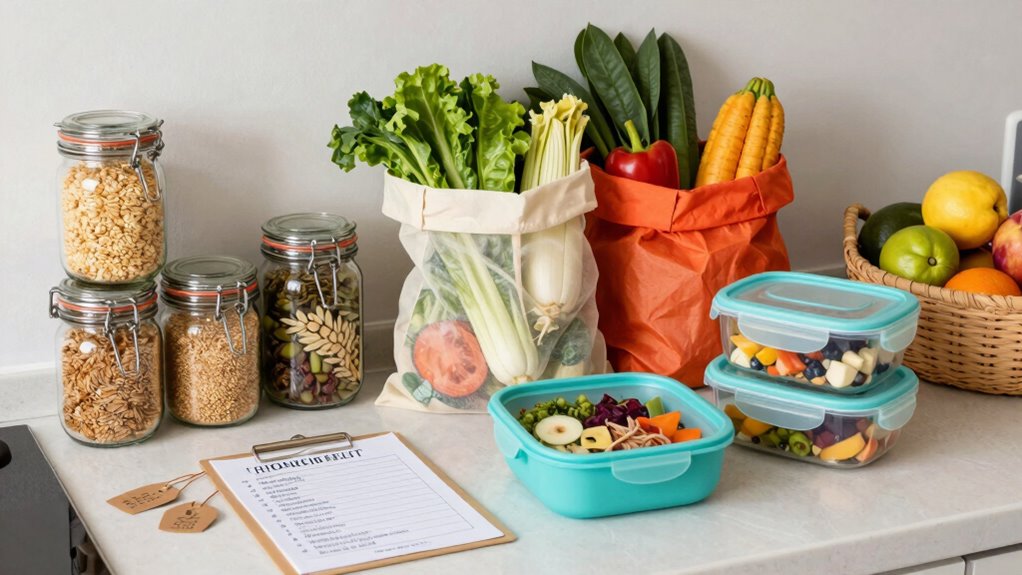
To reduce waste during shopping and meal prep, start by planning your meals and making a detailed shopping list. This prevents impulse buys and ensures you purchase only what you need. Bring reusable shopping bags to avoid plastic bags, which often end up discarded. When shopping, choose bulk or package-free items whenever possible to minimize packaging waste. During meal prep, use sturdy meal prep containers that can be reused multiple times, reducing the need for disposable packaging. Store leftovers in these containers to keep food fresh longer and cut down on single-use wraps or foil. Always wash and reuse your containers rather than discarding them after each use. These small adjustments help cut waste, save money, and promote a more sustainable, eco-friendly shopping and meal prep routine.
Buying in Bulk and Practicing Zero Waste
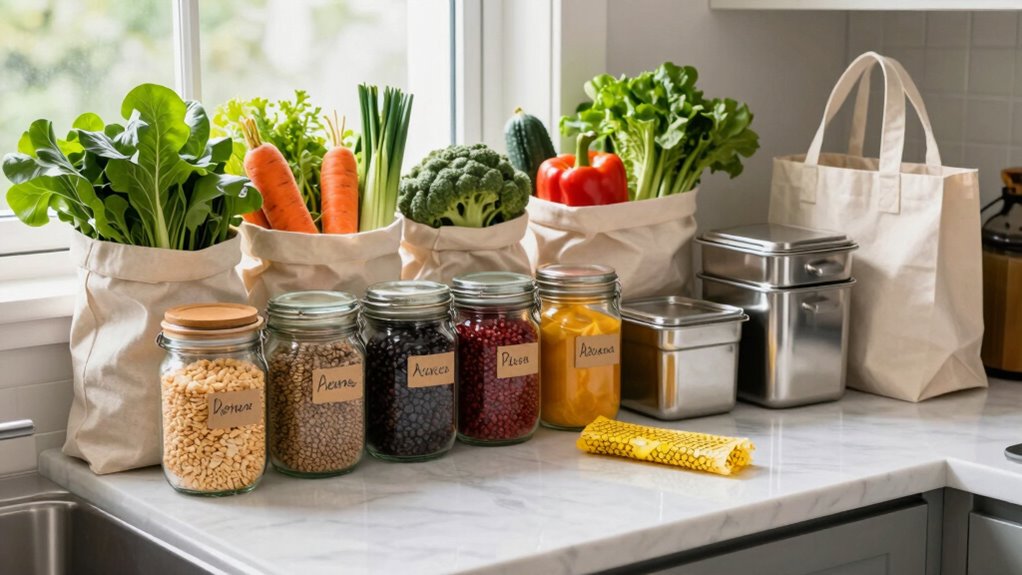
Buying in bulk can save you money and reduce packaging waste, making it an eco-friendly choice. Practicing zero waste strategies helps you cut down on single-use plastics and unnecessary packaging. Together, these approaches support a more sustainable and efficient shopping routine.
Bulk Buying Benefits
When you choose to buy in bulk, you can considerably reduce packaging waste and save money over time. This approach supports sustainable farming by decreasing demand for excess packaging and transportation. Plus, you benefit from packaging innovations that minimize environmental impact.
Here are some emotional benefits:
- Feel empowered knowing you’re making a positive difference for the planet.
- Experience the satisfaction of reducing waste and supporting eco-friendly practices.
- Enjoy the financial savings that come from purchasing larger quantities wisely.
Bulk buying encourages thoughtful consumption, aligns with zero waste goals, and promotes better resource management. By choosing bulk, you’re actively participating in a more sustainable future while enjoying fresh, affordable food.
Zero Waste Strategies
Incorporating zero waste strategies into your shopping routine begins with embracing bulk buying as a key practice. By purchasing in larger quantities, you reduce packaging waste and minimize trips to the store. Use sustainable packaging such as glass jars or cloth bags to store your bulk items, cutting down on plastic waste. To further support your zero waste goals, incorporate composting tips to manage food scraps responsibly. Composting not only reduces waste but enriches your soil naturally. Opt for products with minimal or biodegradable packaging whenever possible. Plan your meals to avoid excess, and bring reusable containers for leftovers. This combination of bulk buying, sustainable packaging, and composting helps you build a more eco-friendly, waste-conscious shopping and meal prep system.
Cleaning and Maintaining Your Reusable Containers
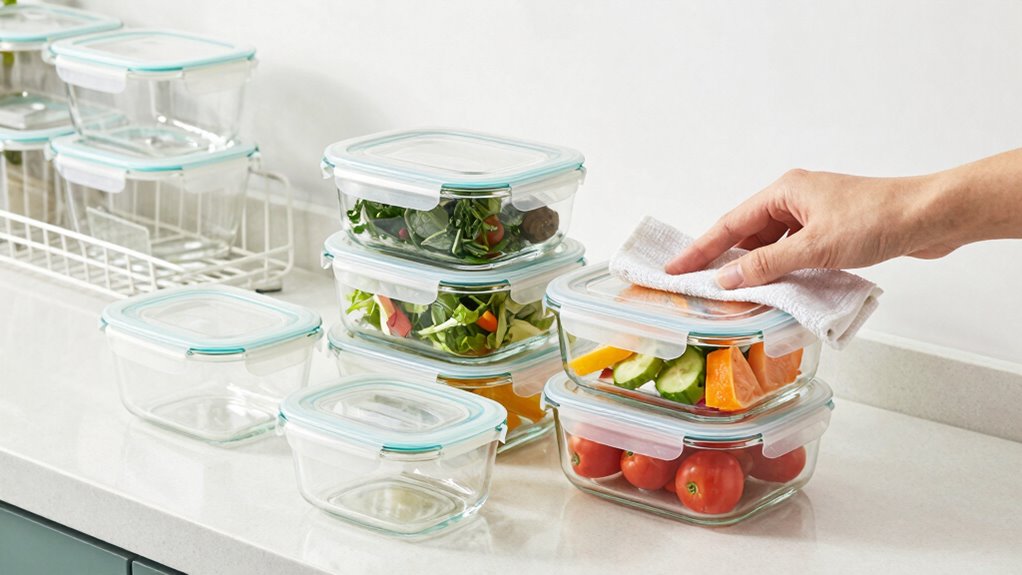
Keeping your reusable containers clean is essential to guarantee they stay safe and odor-free. Proper container cleaning and regular container maintenance ensure your food stays fresh and your containers last longer. To keep your containers in top shape, remember:
Keep your containers clean and odor-free with regular washing and inspection.
- Wash them immediately after use to prevent stains and odors from setting.
- Use warm, soapy water and a brush to thoroughly clean all surfaces.
- Inspect for cracks or damage regularly, replacing any compromised containers.
Tracking Your Savings and Environmental Impact Over Time
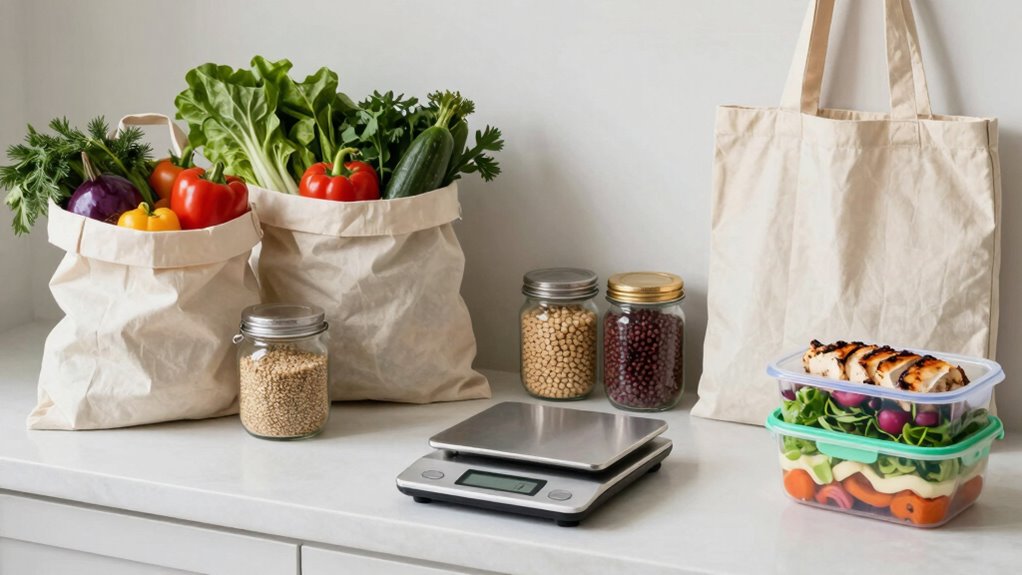
Tracking your savings and environmental impact over time helps you stay motivated and see the real benefits of using reusable containers. By monitoring your progress, you can visualize reductions in waste, water consumption, and your carbon footprint. Use a simple chart or journal to log your weekly usage, savings, and environmental impact. Here’s a sample table:
| Week | Waste Reduced (bags) | Water Saved (liters) | Carbon Footprint (kg CO₂) |
|---|---|---|---|
| 1 | 10 | 50 | 2 |
| 2 | 15 | 75 | 3 |
| 3 | 20 | 100 | 4 |
| 4 | 25 | 125 | 5 |
Consistently tracking helps you see how your habits contribute to water conservation and a smaller carbon footprint over time.
Frequently Asked Questions
How Can I Motivate My Family to Adopt Reusable Shopping Habits?
You can motivate your family to adopt reusable shopping habits by involving them in the process, making it a team effort. Use reward strategies like praise or small incentives to encourage participation. Explain the environmental benefits clearly, and show how it benefits everyone. When your family feels involved and rewarded, they’ll be more likely to stick with reusable habits, turning sustainable choices into a shared, positive experience.
What Are the Best Ways to Store Leftovers in Reusable Containers?
Did you know that 30% of food in the US goes to waste? To store leftovers efficiently, use reusable containers with clear labels to identify contents and date stored. Opt for airtight containers to keep food fresh longer. Incorporate composting methods for scraps, reducing waste. Proper storage not only minimizes spoilage but also encourages sustainable habits, helping your family cut down on waste while keeping meals organized and eco-friendly.
How Do I Handle Fragile or Perishable Items Safely With Reusable Bags?
To handle fragile or perishable items safely with reusable bags, you should use insulated or padded bags for perishable safety, keeping items like dairy or meat cold. For fragile items, choose bags with sturdy, reinforced handles and padding to prevent damage. Always separate fragile and perishable items from heavier or sharper objects. Keep perishables cold by storing them in the fridge promptly and avoid overpacking bags to prevent crushing delicate foods.
Are There Any Eco-Friendly Alternatives to Plastic Wrap and Foil?
You might think eco-friendly options aren’t as practical, but beeswax wraps and silicone food covers are excellent alternatives to plastic wrap and foil. Beeswax wraps mold easily around food, keeping it fresh naturally, while silicone covers create an airtight seal on bowls and containers. They’re reusable, reduce waste, and come in various sizes. Switching to these eco-friendly options helps protect the environment without sacrificing convenience or food freshness.
How Can I Track and Measure My Environmental Impact Effectively?
To track and measure your environmental impact effectively, start by calculating your carbon footprint and water usage regularly. Use online tools or apps designed for personal sustainability tracking to monitor your energy consumption, transportation, and waste. Keep a journal of your eco-friendly choices, like using reusable containers, and set goals to reduce your footprint over time. Staying consistent helps you see progress and identify areas for improvement.
Conclusion
Now that you’ve got your eco-friendly system in place, watch as your waste magically disappears—well, almost. Say goodbye to plastic clutter and hello to a greener, more organized life. Just think: your kitchen could become the envy of all those single-use enthusiasts. So go ahead, embrace your new zero-waste persona, and enjoy the sweet satisfaction of saving the planet one reusable bag at a time—because who doesn’t want to be a hero in their own kitchen?