

To plan your day around energy peaks, start by tracking when you feel most alert—usually mid-morning and early afternoon—using a journal or app. Schedule your most demanding tasks during these high-energy times and reserve lighter activities or breaks for dips. Maintain consistent sleep, stay hydrated, and use mindful breaks to recharge. Continue exploring effective tools and personalized tips to optimize your schedule and boost your productivity naturally.
Key Takeaways
- Track your daily energy levels to identify personal peak times using journals or health apps.
- Schedule high-focus tasks during energy peaks like late morning or early afternoon.
- Reserve lighter activities or breaks for energy dips to maintain productivity and prevent burnout.
- Maintain consistent sleep and meal routines to support natural energy fluctuations.
- Adjust your schedule regularly based on observed energy patterns for optimal daily performance.

Mood Tracking Journal: Daily Health & Mental Health Tracker | Track your: Mood, Energy, Sleep, Food Intake, Goals & More
As an affiliate, we earn on qualifying purchases.
As an affiliate, we earn on qualifying purchases.
What Are Energy Peaks and Dips: and Why Do They Matter?

Understanding your energy peaks and dips is essential because they directly influence how productive and focused you can be throughout the day. Your circadian rhythms regulate these patterns, causing natural energy fluctuations that follow a daily cycle. These rhythms tell your body when to feel alert and when to rest, impacting your mental clarity and physical stamina. Recognizing these peaks helps you align demanding tasks with your high-energy periods, while scheduling less intensive activities during dips. Ignoring these natural fluctuations can lead to fatigue, decreased productivity, and burnout. By understanding your body’s internal clock, you gain control over your schedule, making it easier to optimize your energy levels and work more efficiently. Being mindful of your biological rhythms allows you to harness your innate energy patterns and develop a more harmonious daily routine. Knowing your energy peaks and dips is a vital step toward smarter daily planning, especially when you incorporate personal energy tracking to fine-tune your schedule. Additionally, understanding your body’s natural clock can help you implement effective routines that support your overall well-being, including energy management strategies that boost productivity and health. Recognizing these patterns also enables you to implement rest and recovery practices that prevent burnout and sustain your energy throughout the day.

One A Day Energy Daily Essentials Multivitamin, Energy Supplement to Support Mental Alertness and Immune Health with Vitamins A C, D, E, Zinc and Caffeine, 120 Count
Supports Mental Alertness: The nutritional support that matters most to you, including niacin, vitamin B2, and B6.
As an affiliate, we earn on qualifying purchases.
As an affiliate, we earn on qualifying purchases.
Easy Ways to Find Your Daily Energy Highs and Lows

The easiest way to identify your daily energy highs and lows is by paying close attention to how you feel throughout the day. Track your energy levels at different times, noting when you feel most alert and focused versus sluggish or distracted. Keep a simple journal or use a mobile app to log these fluctuations. Recognizing patterns helps you optimize your energy management and implement productivity strategies that align with your natural rhythms. For example, schedule demanding tasks during your peaks and reserve lighter activities for lows. Over time, you’ll gain a clear understanding of your unique energy flow, enabling you to plan your day more effectively and boost overall productivity. This awareness is a powerful tool for working smarter, not harder. Identifying your natural energy rhythm allows you to make informed decisions about when to tackle challenging tasks versus when to rest or recharge. Additionally, understanding your energy patterns can support your overall mental health by helping you avoid burnout and maintain a balanced routine. Incorporating energy tracking tools can provide valuable insights into your daily fluctuations and improve your planning. Being mindful of your energy levels can also help you incorporate rest and recovery periods, which are essential for sustaining high performance over time.

Intelligent Change – 3-Month Productivity Planner, Productivity Tools for Time-Management and Mindfulness, Daily To-Do List, A5 Undated Quarterly Planner, Beige (Beige)
Helps Boost Your Productivity – Nothing beats the satisfaction of staying on top of your daily tasks and…
As an affiliate, we earn on qualifying purchases.
As an affiliate, we earn on qualifying purchases.
When Are the Best Times to Focus on Important Tasks?

Timing your most important tasks to coincide with your natural energy peaks can substantially boost your productivity. When you align your work with times of high energy, you optimize your energy management and achieve peak productivity. Generally, the best times are mid-morning or early afternoon, but this varies per person. Use this table to identify your prime focus hours:
| Morning Peak | Midday Break | Afternoon Peak |
|---|---|---|
| High alertness | Rest & recharge | Renewed energy |
| Sharp focus | Relaxation | Better decision-making |
| Creative ideas | Physical activity | Problem-solving |
Focus on demanding tasks during your identified energy peaks, and reserve less critical work for lower-energy periods. Recognizing your natural energy rhythms can help you tailor your schedule for maximum effectiveness throughout the day. Additionally, understanding how your whole-home water system operates can help you prevent downtime that might interrupt your productivity. Being aware of your most alert times allows you to schedule high-priority projects when your focus and efficiency are at their peak. Planning your day around these energy peaks can also support overall well-being and reduce stress. Incorporating regular breaks and physical activity aligned with your energy dips can further enhance your overall performance and focus.

Sleep & Circadian Rhythm Log Book: Compact 5.25" x 8" Tracker for Sleep Quality, Morning Sunlight & Evening Routine – Midnight Edition (The Vital Health Series)
As an affiliate, we earn on qualifying purchases.
As an affiliate, we earn on qualifying purchases.
How to Adjust Your Schedule to Match Your Energy Levels

Start by identifying when your energy peaks during the day, so you can plan your most important tasks then. Adjust your schedule to prioritize demanding work during those high-energy periods. This approach allows you to make the most of your natural rhythms and stay productive throughout the day. Incorporating sustainable practices such as fabric care can also help maintain your clothing’s quality, ensuring you invest in long-lasting garments rather than frequently replacing items. Being mindful of home safety can further support your energy management by creating a comfortable and secure environment that minimizes stress and fatigue. Additionally, understanding ADAS sensor calibration can contribute to vehicle safety, reducing stress during driving and helping you stay focused. Paying attention to caregiving decisions can also help you better allocate your energy and reduce burnout over time. Recognizing the importance of energy-efficient appliances can further optimize your daily routines and conserve resources.
Identify Your Peak Times
Understanding when you feel most energized during the day is key to optimizing your productivity. By tracking your energy fluctuations, you can identify your peak times and align your tasks accordingly. Notice how your energy levels follow your daily rhythms, with highs and lows throughout the day. To pinpoint your peaks, record how you feel every hour for a week. Use this table to chart your energy levels:
| Time of Day | Energy Level (Low, Moderate, High) |
|---|---|
| Morning | |
| Afternoon | |
| Evening | |
| Midday |
Once you recognize your patterns, you’ll know when to tackle demanding work and save less intensive tasks for when your energy dips. This awareness helps you optimize productivity and avoid burnout, especially by understanding your digital content formats and how they influence your engagement throughout the day. Additionally, being aware of your biological rhythms can further enhance your scheduling, ensuring you work during your natural energy peaks. Incorporating energy management techniques can also support maintaining consistent productivity levels throughout the day. Moreover, understanding the contrast ratio of your environment can help create optimal conditions for focused work during your peak hours. Recognizing these factors allows you to develop a personalized schedule that aligns with your unique energy patterns.
Schedule Tasks Accordingly
Once you’ve identified your energy peaks, the next step is to adjust your schedule to match those fluctuations. Plan your most demanding tasks during your high-energy periods, and schedule lighter activities or breaks during dips. Pay attention to your meal timing; eating at regular intervals guarantees steady energy, avoiding crashes that can undermine productivity. Also, consider your sleep quality—prioritize consistent bedtimes and restful sleep to sustain your energy levels throughout the day. By aligning your tasks with your natural rhythms, you’ll work more efficiently and feel less drained. Remember, being mindful of both meal timing and sleep quality helps you maintain stable energy, making it easier to focus and accomplish your goals during your peak times.
Natural Tips to Keep Your Energy Stable Without Coffee

If you want to maintain steady energy levels without relying on coffee, there are simple natural strategies you can try. First, explore caffeine alternatives like herbal teas, yerba mate, or matcha, which provide gentle energy boosts without the jitters. Additionally, prioritize sleep optimization by establishing a consistent sleep schedule, creating a relaxing bedtime routine, and ensuring your sleep environment is comfortable. Good sleep helps regulate your energy throughout the day and reduces dependence on stimulants. Staying hydrated and eating balanced, nutrient-rich meals also support stable blood sugar levels, preventing energy dips. Incorporate these habits into your routine, and you’ll find it easier to stay energized naturally, without the need for coffee. These small changes can make a significant difference in your daily vitality, especially when you cultivate mindful awareness of your energy patterns.
Using Breaks to Recharge When You Feel Sluggish

When you start to feel sluggish during the day, taking short breaks can be a highly effective way to recharge your energy. Use this time for mindful stretching to loosen tight muscles and improve circulation. Hydration techniques, like drinking a glass of water, help combat fatigue and restore focus. To maximize your breaks, consider these strategies:
| Activity | Purpose |
|---|---|
| Mindful stretching | Boost blood flow and alertness |
| Hydration techniques | Prevent dehydration-induced fatigue |
| Brief walk | Increase circulation |
| Deep breathing | Reduce stress and reset focus |
| Snack or fruit | Provide quick energy boost |
Short, intentional breaks prevent burnout, keeping your energy peaks consistent throughout the day.
Common Mistakes That Disrupt Your Energy Cycles: And How to Avoid Them
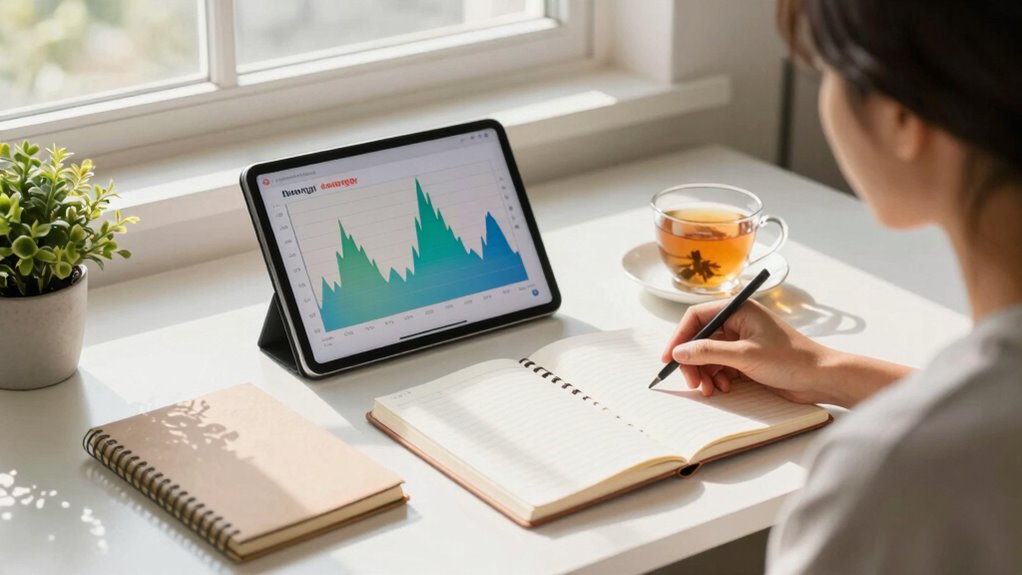
Ignoring your natural energy rhythms can throw off your entire day. Pushing yourself during low-energy periods only leads to burnout, and skipping rest breaks makes recovery harder. Recognizing and respecting these patterns helps you stay balanced and productive.
Ignoring Natural Rhythms
Many people unknowingly disrupt their energy cycles by neglecting their natural rhythms. Ignoring your circadian rhythms and hormonal fluctuations throws off your body’s timing, leading to energy dips and sluggishness. Here are common pitfalls:
- Skipping mornings or delaying breakfast, which hampers your internal clock.
- Staying up late or inconsistent sleep schedules, disrupting hormonal patterns.
- Overusing caffeine to mask tiredness instead of respecting natural dips.
- Ignoring sunlight exposure, which helps regulate your circadian rhythms.
Overloading During Lows
Pushing yourself to work through energy lows often backfires, disrupting your natural cycle even further. Overloading during lows increases your energy drain, leaving you exhausted and less productive. When you ignore these dips and push harder, you risk burnout and decreased focus. Instead of trying to force tasks during your sluggish periods, recognize that your energy peaks at different times and plan lighter activities for lows. Overloading during these times only prolongs recovery and hampers your overall efficiency. Respect your body’s natural rhythm by avoiding the temptation to cram tasks into low-energy windows. This approach helps you conserve energy, reduces stress, and allows you to perform better during your high-energy periods. Remember, respecting your energy cycle is key to sustainable productivity.
Neglecting Rest Periods
Neglecting rest periods can profoundly disrupt your energy cycles and reduce overall productivity. Without scheduled breaks, your energy management suffers, leading to burnout and decreased focus. To keep your energy peaks aligned, avoid these mistakes:
- Skipping short breaks during work sessions, which drains your mental resources.
- Ignoring signs of fatigue, pushing through instead of resting.
- Overworking without giving yourself time to recharge, disrupting natural energy dips.
- Neglecting to incorporate intentional rest periods, preventing your body from recovering and maintaining essential energy levels.
Prioritizing regular rest periods helps you sustain high energy and sharp focus throughout the day. Recognize that rest isn’t a luxury—it’s a crucial component of effective energy management.
Best Tools and Apps to Track Your Energy Patterns

Tracking your energy patterns becomes much easier with the right tools and apps. These help you identify when your energy peaks and dips throughout the day, allowing you to optimize your schedule. Apps like Fitbit or Apple Health monitor activity levels and sleep quality, providing valuable insights. For a more personalized approach, consider apps that incorporate mindfulness meditation prompts, which can help you stay present and aware of your energy fluctuations. Additionally, some apps focus on nutritional timing, reminding you when to eat to sustain energy levels. Using these tools, you can experiment and refine your daily routine, leveraging data to plan your most demanding tasks during your peak energy times. The right combination of technology and awareness helps you master your energy rhythm efficiently.
How to Plan Your Day Around Your Energy Peaks (With Real-Life Examples)

Once you’ve identified your energy peaks through tracking tools, the next step is to structure your day around those times. To maintain energy consistency and maximize productivity peaks, consider these strategies:
Align your schedule with your energy peaks to boost productivity and work smarter.
- Schedule your most demanding tasks during your highest energy periods to leverage peak focus.
- Reserve less intensive activities, like emails or routine chores, for lower-energy times.
- Break your day into blocks aligned with your natural energy rhythms, avoiding burnout.
- Incorporate short breaks to sustain energy levels and prevent dips during less energetic moments.
For example, if you notice your energy peaks in the late morning, tackle complex projects then. By aligning your schedule with your natural rhythms, you’ll work smarter, not harder.
Frequently Asked Questions
Can Energy Peaks Change Day-To-Day or Are They Consistent?
Energy peaks can definitely vary day-to-day, so your daily consistency might fluctuate. Factors like sleep quality, diet, stress, and activity levels contribute to energy variability. You may feel more alert in the mornings some days and later in others. By paying attention to these patterns, you can better adapt your schedule, aligning tasks with your energy highs and lows for improved productivity and well-being.
How Long Do Energy Dips Typically Last During the Day?
Imagine you’re in the 1920s, and like then, your energy dips typically last 20 to 30 minutes, matching common fatigue periods today. These energy dip durations happen mid-morning and mid-afternoon, giving you natural breaks. You might feel sluggish or less focused during these times, so planning lighter tasks or quick walks can help you recharge. Recognizing these dips enables you to optimize your day for peak productivity and well-being.
What Foods Help Sustain Energy Levels Throughout the Day?
You can sustain energy levels by eating nutrient-dense foods like whole grains, lean proteins, and healthy fats, which provide steady fuel. Incorporate nutrient timing by having balanced meals and snacks throughout the day, and don’t forget hydration strategies—drink water regularly to stay alert. Fruits, vegetables, and nuts are great choices. These habits help keep your energy stable, preventing dips and supporting your productivity all day long.
How Does Sleep Quality Influence Daily Energy Peaks?
Good sleep quality directly impacts your energy peaks, as it strengthens your sleep hygiene and aligns with your circadian rhythms. When you prioritize consistent sleep schedules and create a relaxing bedtime routine, your body maintains better energy levels during the day. Quality sleep boosts alertness and motivation, allowing you to capitalize on energy peaks naturally. Poor sleep, on the other hand, disrupts your circadian rhythms, leading to dips in energy and reduced productivity.
Are There Specific Habits That Can Enhance Natural Energy Fluctuations?
Sure, because boosting energy is as simple as wishing for it. You can enhance natural fluctuations by practicing mindful breathing to oxygenate your brain and improve focus. Hydration habits also play a crucial role; drinking water regularly prevents fatigue and keeps your energy levels steady. These habits may seem small, but they’re surprisingly effective at aligning your energy peaks with your daily activities, giving you that effortless boost you’re after.
Conclusion
By understanding your energy peaks and dips, you can optimize your schedule, boost your productivity, and improve your well-being. Recognize your highs, respect your lows, and adjust your routine accordingly. Stay mindful, stay flexible, and stay intentional about how you plan your day. When you align your tasks with your energy levels, you work smarter, feel better, and achieve more—making each day more balanced, more fulfilling, and more successful.